
Table of Contents
Introduction: A Site Story with a Twist
Ever rocked up to a job where the facade looked mint at handover, then went patchy after the first big storm? The second you spot it, you think of the wood grain aluminum sheet you signed off on and wonder what changed overnight. One contractor told me 38% of their call-backs last year tied back to cladding movement or finish wear—small things compounding into big headaches. So here’s the kicker: is it the product, the install method, or the way we match expectations to real conditions (coastal wind, high UV, busy foyers)?

In Aussie builds, we chase warmth and durability, but we can’t ignore expansion, sealants, and fixings. Different substrates, different stories. And in the rush, we miss the subtle stuff—like how a rainscreen gap breathes or how a PVDF coating handles salt. Sounds fussy, but it saves money and hassle, mate. Ready to unpack what’s actually going on—without the fluff?
Let’s roll into the key issues and how to stack options side by side, the practical way.

Hidden Snags Owners Miss (and How to Spot Them)
Let’s get technical for a minute. The wood grain aluminum panel looks like timber, sure, but it moves like metal. The thermal expansion coefficient of aluminium means wide sheets can creep a few millimetres across seasons. Not much—until you fix them too tight. Then you see oil-canning, popped rivets, or hairline stress near corners. Add a hot western wall and the risks spike. This isn’t a deal-breaker; it’s about slotting fixings, using a proper subframe, and keeping a ventilated rainscreen cavity. Look, it’s simpler than you think.
Now the sneaky stuff. Touch-up paint rarely matches the grain transfer or PVDF topcoat after a scratch—funny how that works, right? If the protective film stays on too long in the sun, adhesive residue can ghost the finish. Sealants matter too: generic silicone near cut edges can trap moisture and kick off galvanic corrosion around steel fasteners. You want compatible gaskets, spaced fixings, and clean weep paths. CNC routing should leave smooth edges, then proper edge sealing stops capillary ingress. Most “mystery” failures come back to three things: movement, moisture, and incompatible materials—and getting those three aligned is what keeps panels stable and tidy over time.
Comparing the Next Wave: Why Process Beats Promises
What’s Next
Here’s the forward look. Newer finishes use controlled coil-coating or powder over a nano-ceramic pretreatment, then a wood-grain sublimation transfer that bonds into the resin system. That mouthful means better bond strength, fewer micro-cracks, and higher QUV hours before fading. In short: the coating stack matters more than the brochure photo. When you compare systems, ask about resin class (fluoropolymer vs polyester), pretreatment steps, and bake curves. That’s where most durability lives—inside the process. Bringing it back to practice, a well-detailed subframe with thermal breaks, a 20–30 mm rainscreen cavity, and slotted fixings lets the skin move cleanly. And that saves rework.
On the ground, switching to aluminum wood grain panels with AAMA 2604/2605-grade finishes lifts colour stability and chalk resistance in harsh sun. Combine that with coastal-grade fixings and anodised or sealed cut edges, and you sidestep most early failures. It’s semi-formal stuff on paper—yet it’s hands-on simple onsite. Side-by-side, systems with consistent coil-coating lines and documented bake temps beat ad-hoc finishing every time. They also pair better with rainscreen design, weep detailing, and smart flashing layouts. The result: fewer call-backs, steadier panels, and finishes that hold up past warranty. Different project, same logic—build the comparison on process, not just pattern fidelity.
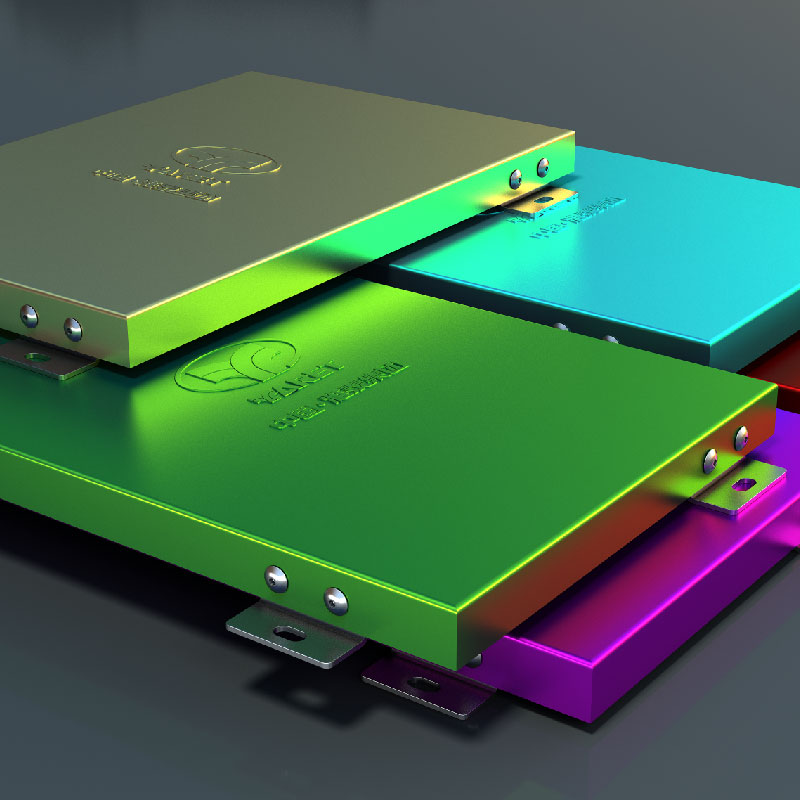
Before we wrap, three quick metrics to judge any option: 1) Coating durability proof—AAMA spec and QUV-hour data. 2) Movement tolerance—slot size, subframe spec, and tested thermal expansion handling. 3) Exposure warranty—clear terms for coastal zones, fixings, and maintenance. Nail those, and your “timber-look” facade stays sharp, season after season. For deeper specs and product paths, see yaret.
