
Table of Contents
Why common quick fixes keep failing (a field memory)
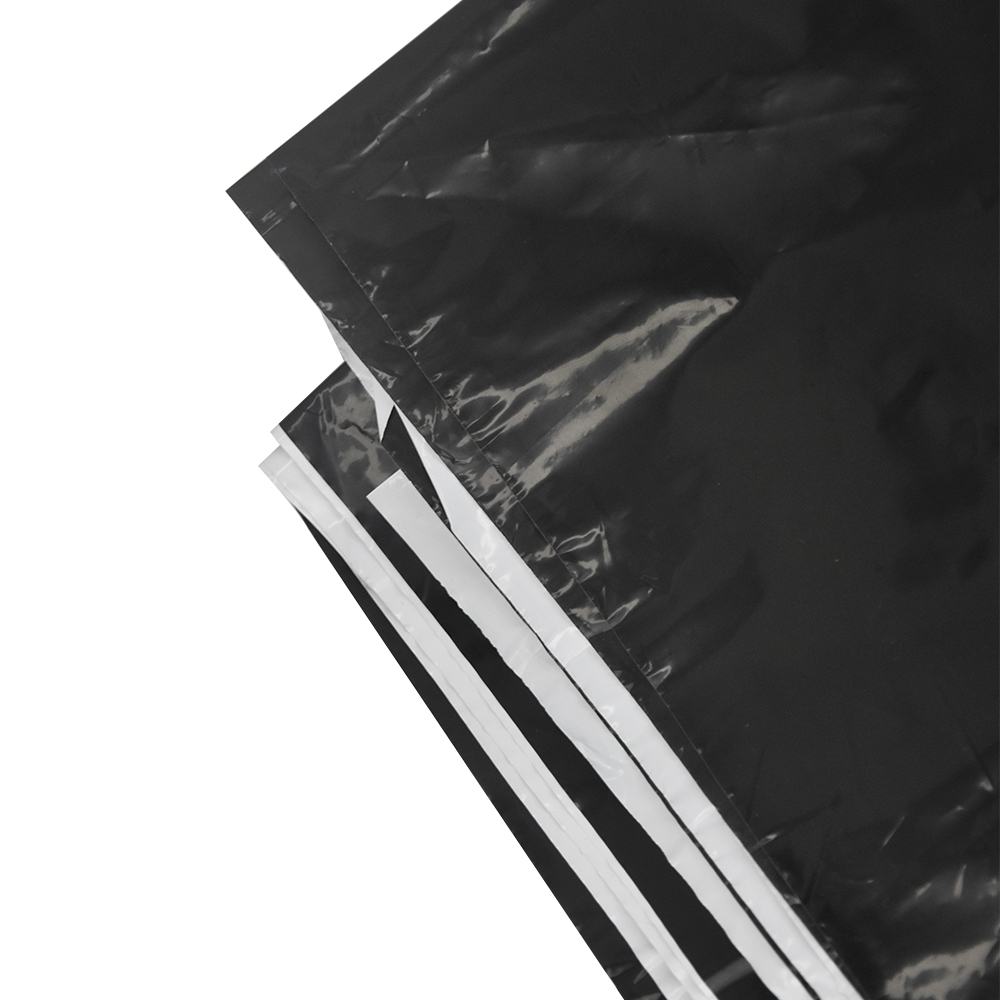
I still see that April morning in 2018: a low, humid dawn over a Murcia greenhouse, workers peeling back ruined covers. At that site the agricultural film protecting 12 hectares had delaminated after just 14 months, the farm blamed the plastic film manufacturer — 30% crop loss was recorded, so what concrete steps would have kept the crop safe? I’ve spent over 15 years in B2B supply chains and on plant floors; this one stuck with me. We tried cheaper LDPE, reduced gauge to save cost (25-micron mulch film), and—predictably—saw seams fail and UV degradation accelerate. You bet, I learned the hard way.

Traditional fixes focus on price or one single property (thicker is better, right?). But that narrow thinking hides the real flaws: inconsistent extrusion control that creates gauge variation, weak seam welding because of wrong heat settings, and cosmetic additives that mask—but do not cure—poor tensile strength under load. I measured a batch that read 18 MPa tensile strength at delivery and then 12 MPa in the field after six months—numbers matter. I’m naming extrusion control, UV stabilization, and tensile strength as the real levers. Those are industry words — but they’re also levers you can pull today (and yes, I mean the specific ones we dialed on a production line in Almería in September 2019).
Designing forward: what better agricultural film looks like (technical)
Think of film design as layered problem-solving: co-extrusion gives you functional layers, the core supplies mechanical integrity, the outer layer handles UV stabilization and anti-fog properties. When I talk about improved agricultural film, I mean films where the extrusion process is calibrated to ±2% gauge variance, seam welds are validated to a standard force, and UV packages are specified by hours-to-failure. That technical clarity changes procurement conversations from “cheaper” to “fit-for-purpose.”

What’s Next?
We compared two supplier runs in 2020: run A used single-layer LDPE with basic additives; run B used 3-layer co-extruded film with targeted UV stabilization and a measured 25% higher seam strength. Run B reduced reorders for replacement film by half over an 18-month season — measurable, not marketing fluff. If you’re buying bulk for greenhouses or open-field mulch, ask for those specific tests. Also — short aside — I still carry a scrap of run A in my toolbox as a reminder; small things teach big lessons.
Practical metrics to choose and verify better films
I advise three clear evaluation metrics you can require from suppliers and check on delivery: (1) Gauge uniformity — report the mean and standard deviation across a 100-meter sample; (2) UV retention hours — a lab number showing time to 50% optical or mechanical retention under specified irradiance; (3) Seam/weld strength — force-to-failure for the welding method used, with test temperature noted. Ask for the date-stamped test reports. I insist on seeing a specific batch code, a date (e.g., “tested 12 March 2021”), and the production site. Those details saved us thousands in one season.
In my experience, small procurement policy shifts—requiring ±2% gauge control, insisting on co-extruded constructions for high-exposure sites, and setting minimum seam strength—transform the whole life-cycle cost of film. You’ll cut replacements, reduce crop loss, and get predictable performance. One last interruption — check field returns quarterly; don’t wait a season. For practical sourcing, validation, and ongoing support, I often turn to partners who back test data with site visits. That’s how we moved from firefighting to planning.
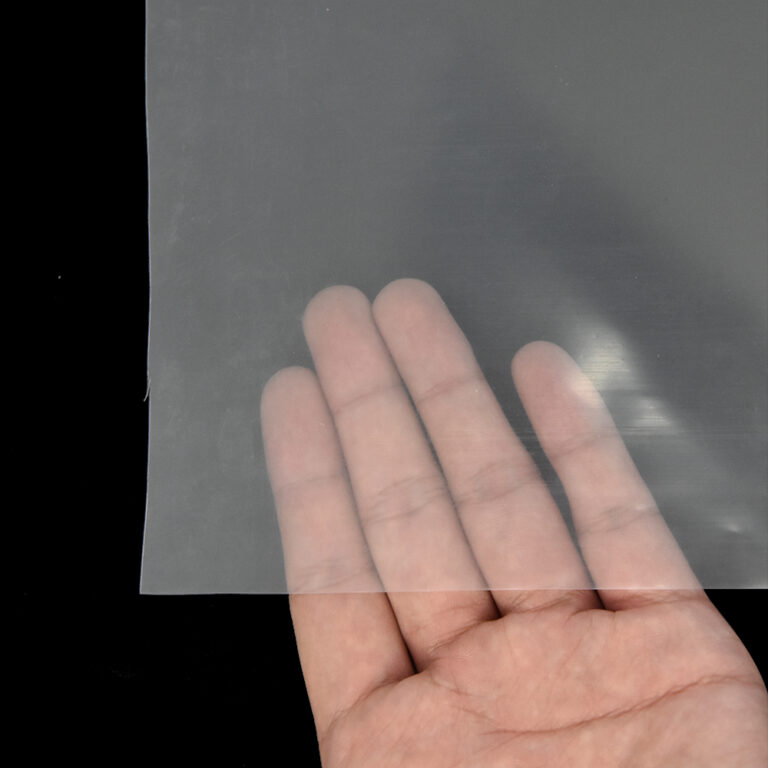
Make those three metrics your decision-screen and you’ll find suppliers who can actually solve problems (not just sell cheaper rolls). For reliable agricultural film solutions and technical collaboration, I recommend talking with teams that stand behind their numbers — like HGDN.
