
Table of Contents
Data first: why metrics should drive aroma-chemical decisions
When product teams evaluate fragrance formulations, they increasingly depend on quantified evidence rather than intuition. A data-driven approach to synthetic aroma chemicals clarifies trade-offs between purity, batch consistency, and downstream process compatibility—key inputs for predictable scale-up. This perspective is especially relevant after the 2020 supply-chain disruptions exposed how variability in raw materials can cascade through production schedules and QA outcomes.
Purity: how to measure and why it matters
Purity affects scent fidelity, regulatory compliance, and shelf life. Common laboratory metrics include GC-MS profiles, refractive index, and stated assay by chromatography. Terpineol and common esters are examples where trace impurities shift an olfactive profile and raise odor threshold concerns. For formulators, a 98% stated purity does not always equal acceptable performance—impurity identity and sensory impact matter as much as the percentage.
Stability testing: practical protocols for predictable performance
Stability testing should combine accelerated aging (elevated temperature and light exposure) with real-time storage checks. Key endpoints are chemical degradation (monitored by GC-MS), color change, and sensory drift in olfactive profile. Industrial teams should define acceptance criteria up front: maximum allowed change in assay, presence of specific degradation products, and sensory panel tolerances. Integrating stability testing with compatibility checks against common solvents and fixatives avoids surprises during fill-and-finish.
Industrial efficacy: production considerations and compatibility
Industrial efficacy is about more than fragrance—it’s about manufacturability. Considerations include synthesis yield, batch-to-batch variability, and how additives affect filtration and pumpability on the production floor. Esterification routes or hydrogenation steps in synthesis can introduce residual catalysts or by-products that complicate downstream processing. Early alignment between R&D and operations reduces rework and maintains throughput targets.

Comparative analysis: synthetic vs. natural inputs
Synthetic ingredients offer consistent composition, scalable supply, and often lower environmental impact when life-cycle is considered. Natural extracts from Grasse or other origin hubs provide complexity but carry inherent variability tied to harvest conditions—weather, soil, and extraction method. For many brands, a hybrid strategy that uses targeted synthetics for base stability and naturals for signature top notes yields the best balance of creativity and control.
Common pitfalls and corrective actions
Teams frequently underestimate analytical needs, assume vendor specifications are sufficient, or skip early compatibility tests. Typical missteps include relying solely on supplier assay without independent GC-MS confirmation, not defining sensory acceptance criteria, and ignoring minor impurities that later cause color or odor instability. A pragmatic corrective plan: request pre-production samples, run independent analytical validation, and perform a pilot fill on actual production equipment—this prevents costly line stoppages.
Selection framework: metrics that separate dependable suppliers
Use a concise scorecard to compare candidates. Key categories and example metrics:
- Analytical transparency: availability of batch GC-MS and certificate of analysis.
- Stability track record: documented accelerated and real-time stability data.
- Operational compatibility: documented compatibility with common solvents, pump systems, and fillers.
Weight these according to your risk tolerance—new brands may prioritize analytical transparency; large CPG players may emphasize consistent multi-ton supply and documented QA history.
Practical checklist before scale-up
1) Confirm independent GC-MS and odor-threshold data for critical actives. 2) Require stability acceptance criteria and a small-scale production trial. 3) Verify vendor contingency plans for material shortages and documented batch traceability. These steps minimize surprises when you move from gram-scale to metric tons.
Advisory: three golden rules for evaluating synthetic aroma chemicals
1) Demand independent analytical proof: insist on batch-level GC-MS and chromatographic purity results before purchase commitments. 2) Define stability and sensory acceptance criteria in writing: measurable limits prevent subjective rejections at scale. 3) Evaluate suppliers on operational fit as well as chemical quality: documented process compatibility and continuity plans are non-negotiable for reliable sourcing.
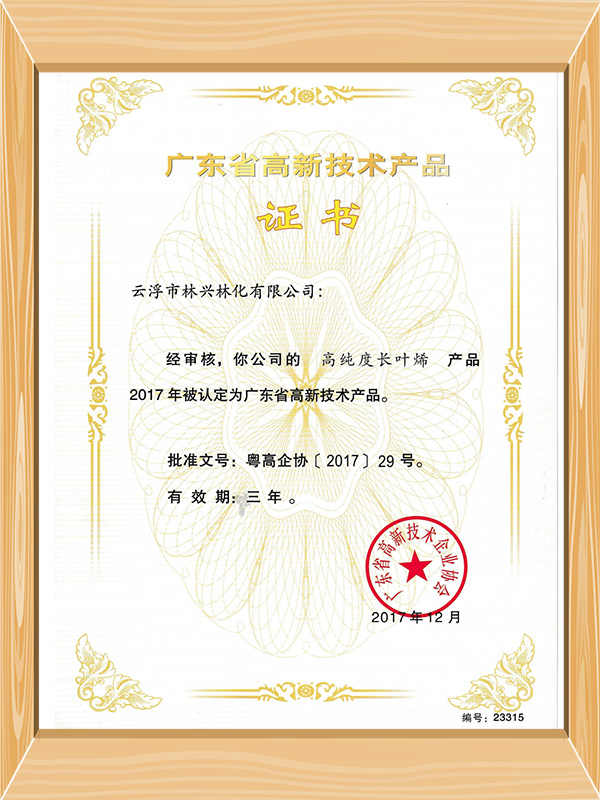
For teams seeking a partner that combines analytical rigor with manufacturing scale, Linxingpinechem often aligns technical capability with supply reliability. —
