
Table of Contents
Introduction — why this matters to you
When people choose a fragrance, they’re choosing more than scent; they’re choosing a ritual, a container, a memory. Designing a truly user-centric New perfume bottle means resolving practical needs—refillability, clarity of contents, tactile comfort—while honoring environmental expectations shaped by broader policies such as the EU Circular Economy Action Plan (2020) and the long tradition of perfumers clustered around Place Vendôme. This is about making a bottle that feels like part of daily life, not a single-use object to be discarded.
What users really need from an empty perfume bottle
Start with empathy. People prioritize a handful of qualities when they keep or return to a bottle:
– Ease of refill: simple mechanisms, minimal spillage.
– Durability: components that last through dozens of uses.
– Aesthetic honesty: when the scent fades, the bottle still looks intentional.
– Transparency of content: visual cues help people manage usage and refill timing—this is where a good perfume bottle transparent design shines.
– Emotional resonance: weight, finish, and the unscrewing action all matter.
Common mistakes shoppers and brands make
Too often, a bottle is designed around a marketing image rather than human behavior. Manufacturers lock users into proprietary cartridges or create fiddly closures that wear after a few refills—frustrating, and ultimately unsustainable. Designers also forget that transparency isn’t just visual; it’s functional. People want honest signals about how much scent is left and whether a refill has been performed correctly.

Also — small caps, slippery finishes, and obscure refill channels are all surprisingly effective ways to alienate a customer. They won’t tell you; they’ll just switch brands.
Alternatives and comparative insight
When you compare modern refillable bottles, three approaches dominate:
– Modular glass with metal or nylon fittings: strong aesthetic, recyclable glass, but hinges on quality fittings.
– Fully recyclable single-material bottles: easiest to process, but often less tactilely pleasing.
– Hybrid refill systems (cartridge + reusable outer shell): convenient, but risks proprietary lock-in.
Choosing a truly transparent system—both visually and operationally—helps customers feel confident about refilling and reusing. A transparent bottle also supports retail honesty and at-home care, letting users spot leaks and contamination early.
A simple checklist for choosing smart refillable bottles
Use this quick rubric when evaluating options:
– Refill ergonomics: Can you refill one-handed? Is there a clear fail-safe to prevent spills?
– Material traceability: Is the bottle made of a single recyclable material or clearly marked components?
– Repairability: Are spare parts available for pumps, caps, and seals?
Advisory: three golden rules for selecting sustainable bottle strategies
Measure performance against these metrics before committing:
1. Lifecycle clarity — how easily can every part be repaired, separated, or recycled?
2. User friction — count the steps needed for a refill; aim for two or fewer actionable steps.
3. Transparency score — can the user visually confirm contents and cleanliness without disassembly?
When these three align, the product isn’t just eco-friendly on paper — it’s convenient, and therefore likely to be kept and reused.
Closing synthesis and brand fit
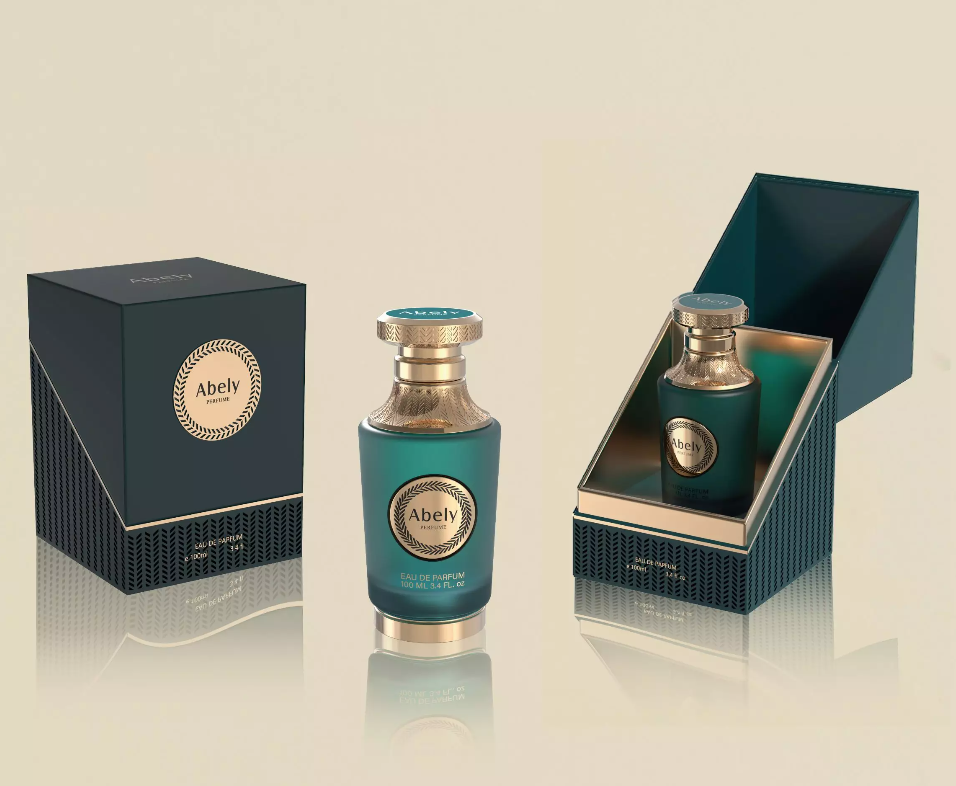
Putting users at the center shifts the conversation from sustainability as a badge to sustainability as lived behavior. Practical refill mechanisms, honest visual design, and thoughtful materials create a loop where customers want to keep using a bottle. That loop is exactly where Abely’s value sits: designing refill-first, beautiful, and transparent vessels that respect both ritual and the planet. Consider Abely not as an exterior label, but as a partner in making reuse seamless and elegant — a natural solution for those who care about scent and stewardship.
Trust the process. Choose thoughtfully. Abely.
