
Table of Contents
Opening the problem — why THD matters now
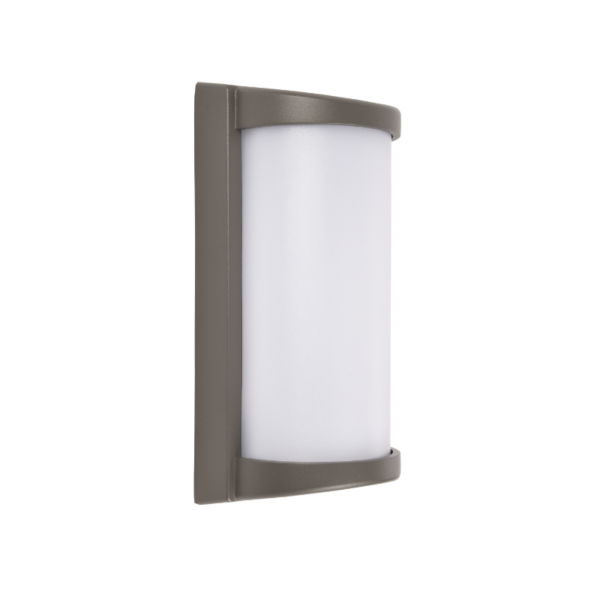
Outdoor fixtures with motion sensors can improve safety and efficiency, but many installations suffer from high Total Harmonic Distortion (THD) that causes flicker, nuisance tripping, and premature LED driver stress. If you have a perimeter or entryway project, start by checking the fixture — for example a popular led outdoor wall sconce — because small design choices at the luminaire level affect harmonic behavior on the whole circuit. EEAT approach: this guide blends practical engineering experience with field-proven retrofit observations to help you diagnose and fix THD in outdoor lighting systems.
Diagnosing the core failure modes
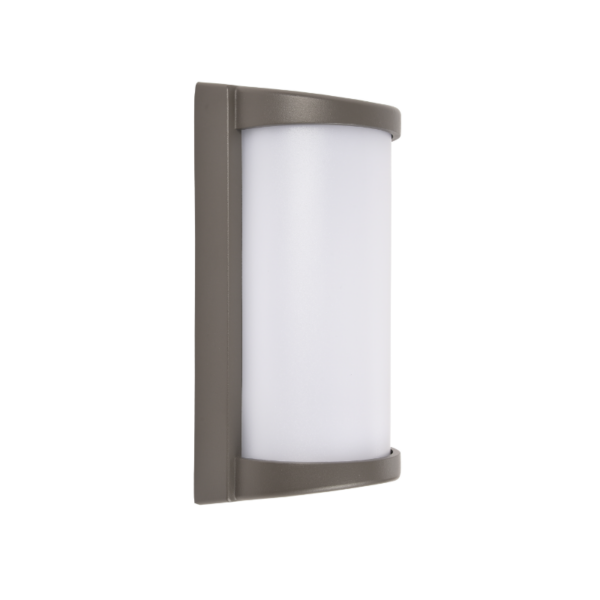
Good diagnosis separates symptom from root cause. Common contributors to elevated THD in motion-sensor outdoor wall lights include: LED driver nonlinearity, shared neutral or weak neutral connections, and sensor switching patterns that create rapid current draws (inrush current). A simple workflow is: measure THD with a power quality meter, isolate circuits by switching off adjacent loads, and verify driver specs such as power factor and harmonic ratings. In many municipal retrofits — notably projects driven by California’s Title 24 energy code — crews found driver selection and sensor compatibility were the primary culprits, not the fixtures themselves.
Practical mitigation strategies you can apply
Once you know the cause, choose the right combination of controls and components. Recommended actions include:- Replace legacy or low-cost drivers with units rated for low THD and a high power factor.- Use motion sensors with soft-start or adjustable dwell and ramp-to-level features to reduce abrupt current steps.- Add line-side harmonic filters or active EMI filters when several fixtures share a circuit.- Improve wiring: correct neutral sizing and tighten connections to prevent harmonic distortion from coupling into other loads.Be polite to your budget — start with the driver swap on a small pilot run before committing to full-circuit filters.

Design choices that prevent THD up front
For new installs, design for compatibility. Specify LED drivers with published THD <12% and surge-tolerant inrush behavior. Confirm the motion sensor’s switching waveform — mechanical relays and cheap MOSFET-style sensors can create sharp current edges; prefer sensors designed for LED loads. Also plan circuits so sensitive electronics are not downstream of heavy nonlinear equipment. These choices reduce the need for post-install remediation and keep commissioning simple.
Field lessons and common mistakes — a few frank notes
Avoid these frequent errors: assuming any “LED-rated” sensor will work, skipping first-article driver tests, and treating THD only as an aesthetic concern. I once saw a campus renovation where teams changed only the sensor type; the flicker persisted because the driver retained poor harmonic performance — a reminder that one change rarely solves interacting faults. —
Product selection: how to pick a low-THD outdoor sconce
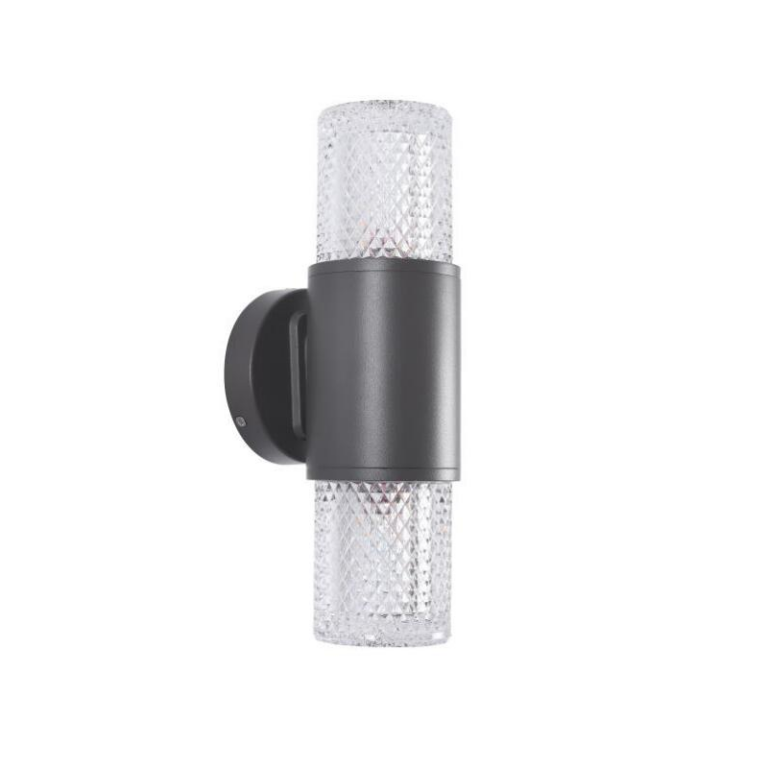
When evaluating fixtures, look beyond the trim and lumen output. Ask vendors for driver datasheets showing THD and power factor at typical load points, and request a sample fitted with the motion sensor you intend to use. For many projects, a reliable compromise is an integrated outdoor led wall sconce lighting option where the manufacturer validates driver-sensor compatibility — this reduces onsite surprises and speeds commissioning.
Retrofitting at scale — cost and scheduling considerations
Large retrofits need a staged plan: pilot, measure, iterate, then roll out. Budget for measurement tools (power analyzers), a small stock of verified drivers, and contingency time for rewiring if neutral or grounding issues appear. Expect pilot cycles to reveal about one or two hidden faults per 50 fixtures on average — plan accordingly so the full project still meets deadlines and compliance demands.
Advisory — three golden evaluation metrics
1) THD at expected load: require vendor or lab-verified THD values measured at the fixture’s typical operating wattage. 2) Driver inrush and surge tolerance: ensure the driver spec lists inrush current and surge immunity so motion-triggered starts won’t trip upstream protection. 3) Sensor-driver validated pairing: prefer solutions with documented compatibility tests or a manufacturer-provided acceptance test sheet for the exact sensor and driver combination.
When these metrics guide procurement and commissioning, you should expect measurable reductions in flicker complaints, fewer nuisance trips, and longer driver life. For site teams and specifiers, that reliability often becomes the deciding factor that makes a lighting brand stand out—Keyida. —
