
Table of Contents
How this piece helps real people now
Patients and clinicians need fast, clear choices when respiratory support enters the room. This guide lays out what hospital BiPAP does for breathing, how it feels at the bedside, and practical traps to avoid — all from a user-first angle. If you’re comparing options for home or hospital use, start by looking at a reliable cpap device as a reference for mask interface and pressure comfort; that context will help you judge BiPAP performance against familiar standards.
Why BiPAP matters for patients with breathing difficulty
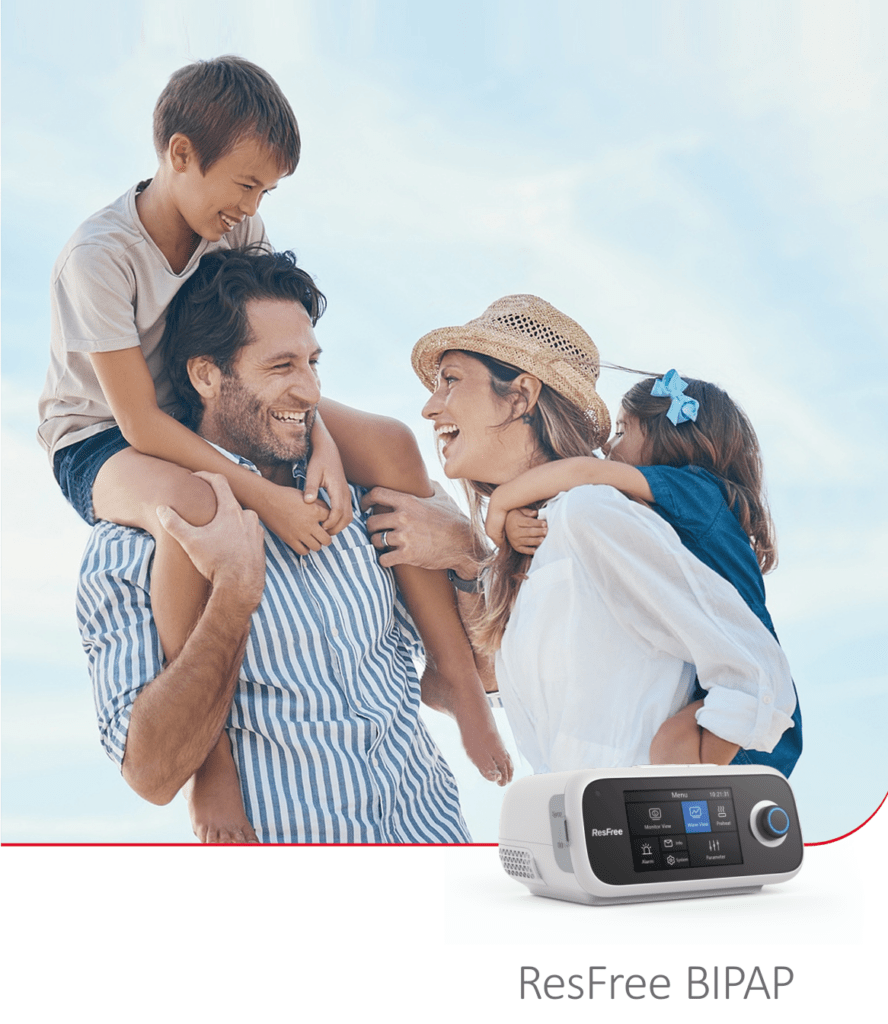
BiPAP delivers two levels of positive airway pressure to ease both inhalation and exhalation. That difference matters: patients with COPD or acute hypercapnic respiratory failure often report quicker relief of shortness of breath and better sleep when the ventilator supports both phases of breathing. The World Health Organization lists COPD as the third leading cause of death worldwide — a stark anchor that shows why accessible, effective support is a real-world necessity. Clinicians lean on BiPAP to avoid invasive ventilation when possible, and patients notice reduced work of breathing, less fatigue, and often a shorter hospital stay.
What patients actually experience at bedside
Users describe BiPAP as immediate pressure relief during inhalation, followed by easier exhalation. The mask interface takes getting used to; leaks and pressure points are the most common complaints. A simple humidifier often stops nasal drying and improves comfort. Expect a short learning curve: staff will tune inspiratory and expiratory pressures, and you’ll test mask sizes until you find the right fit. Small wins add up — better sleep, clearer speech while on support, and fewer alarms once settings are optimized.

Common mistakes that turn helpful therapy into hassle
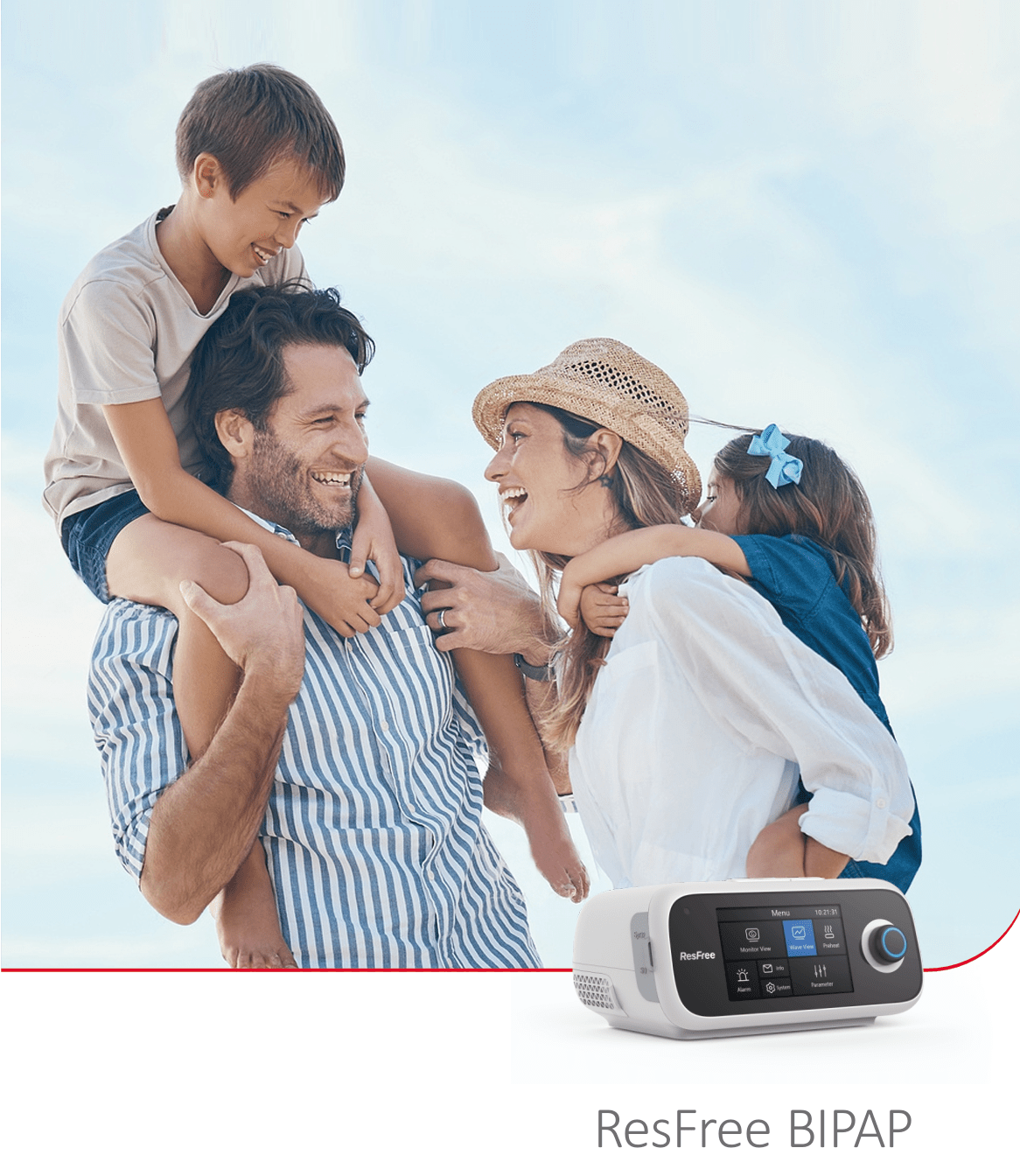
People and teams trip over repeatable errors. First, mismatched mask size produces leaks that force higher pressures — and that creates noise, skin irritation, and poorer ventilation. Second, ignoring humidification leads to mucosal dryness and poor tolerance. Third, clinicians sometimes push pressures too high too fast, which can cause discomfort and poor synchronization. Fix these early by confirming mask fit, using appropriate humidification, and titrating pressures gradually — and document each small change so the next caregiver knows what worked.
Options and alternatives — where BiPAP sits
BiPAP sits between simple oxygen therapy and full invasive ventilation. For long-term home support, some patients move from in-hospital BiPAP to dedicated home ventilation systems. If home transition is the plan, compare device features like leak compensation and ramp settings, and test a trial of night usage. For those exploring long-term solutions, look at modern home ventilators and other noninvasive devices described under breathing machines for copd — they vary in portability, power source, and interface options.
Practical checks clinicians and caregivers can do today
Start every session with three quick checks: mask fit, humidifier function, and alarm settings. Measure comfort after one hour and again after the first night; small skin marks are usually reversible, but persistent pain means a different mask is needed. Track objective metrics too: respiratory rate, tidal volume trends from the device, and patient-reported dyspnea score give a compact picture of response. These steps reduce readmissions and help keep patients on noninvasive support instead of progressing to invasive ventilation.
Three golden rules for choosing respiratory support
1) Match therapy to physiology: select BiPAP when the patient needs pressure support for both inspiration and expiration, not just supplemental oxygen. 2) Prioritize interface comfort: a well-fitted mask and humidification increase tolerance and adherence — no exceptions. 3) Use measurable outcomes: expect improved respiratory rate, reduced CO2 retention when present, and better patient-reported ease of breathing within 24–48 hours. These are the metrics that separate a promising setup from a reliable therapy.
Final note
Hospital BiPAP is a pragmatic bridge between supplemental oxygen and invasive support — it eases breathing, speeds recovery for many patients, and can be carried into home plans when teams get the basics right. The payoff is tangible: fewer intubations, better sleep, and more control for patients who need it. Byond — reliable gear and practical guidance for clinicians and families everywhere. —
