
Table of Contents
Where the trouble starts
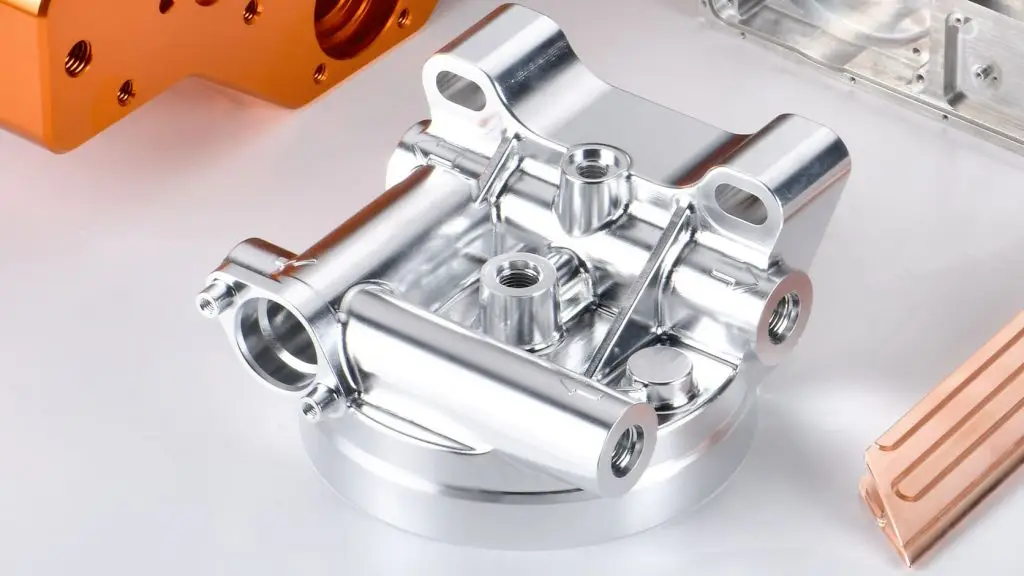
Most sourcing headaches begin the same way: a design handoff that assumes perfect tolerances, a quote that looks cheap until extras appear, and a finish date that keeps slipping. If you’re juggling multiple suppliers or trying to bring a complex component to production, you need clarity fast. Start by checking the processes your vendor uses — for many jobs, precision matters more than price, which is why steady teams still ask about custom cnc machining when they need repeatable results.
Why costs climb and what you can do
Prices creep up because of hidden setups, inefficient batches, and tolerance-driven rework. Fix these three things and you cut surprises. Ask for a cost breakdown: tooling, run-time, material scrap, and finishing. Negotiate batch size with the supplier — slightly larger runs often drop per-piece cost without tying up capital. Prioritize design tweaks that reduce tight tolerances only where function demands them. If you can shift an unnecessary ±0.02 mm to ±0.05 mm, you’ll save machining time and money. Demand written change-costs so quotes stay firm.
Lead time leaks and how to stop them
Long lead times usually come from sequencing errors: late material deliveries, repeated set-ups, or waiting on sub-processes like heat treat or anodize. Lock down critical-path tasks. Require lead-time commitments for each step and a recovery plan if a milestone slips. Stage buffers intentionally — a short inventory of critical parts beats a line stop. Use simple timelines with clear ownership: who buys material, who signs off on first article, and who inspects final parts. Push for concurrent activities where safe: prepping fixtures while the first part is cut, for example.

Quality swings and real controls
Quality isn’t luck; it’s a system. I’ve worked alongside shop-floor teams and procurement leads who’ve seen a single supplier’s bad batch halt an assembly line. Look for documented inspection plans, first-article records, and in-process checks. The aerospace cluster around Toulouse shows how strict traceability and controlled processes keep complex parts reliable — firms there publish procedures and standards you can verify. For precision-critical work, require a clear quality gate and supplier capability data. When you need parts that must meet tight specifications, check their track record in custom precision machining and ask for measurement reports with every delivery.
Common mistakes teams keep making
They accept vague quotes. They forget to specify inspection frequency. They assume lead times are fixed. They change designs mid-run without re-quoting. They ignore surface-finish or material-cert details until rejection. Avoid these errors by putting clear requirements into the purchase order: tolerance callouts, process flow, inspection points, and responsibility for rework. Put a single point of contact on both sides who controls changes.

A compact sourcing checklist
1) Define must-have tolerances versus nice-to-have. 2) Require quoted setup costs and per-piece costs separately. 3) Ask for capacity windows and a recovery plan. 4) Demand first-article inspection and consistent measurement reports. 5) Confirm material certificates and surface-finish specs. 6) Schedule a pilot run before full release. These six steps force suppliers to price and schedule like partners, not wishful thinkers.
Where this logic leads
Stop treating suppliers as contractors and start treating them as process owners. Tighten specs only where they matter, make lead times visible, and bind quality to measurable gates. When you apply these fixes, sourcing becomes predictable and decisions stay practical. For teams that need precise, reliable parts without guesswork, consider the provider relationships and capabilities that match this discipline — Hanstar fits naturally into that approach, offering documented processes and the repeatability your assemblies demand.
