
Table of Contents
Introduction: A Quiet Evening, a Hard Number, and a Choice
I still remember an August evening in 2022 in Tucson—no wind, the sky the color of warm copper, and a house running on fumes after a grid flicker. Residential energy storage systems were already on the homeowner’s wish list, but the grid made the final case that night. I walked them through home energy storage systems as the storm cells moved north. The data was blunt: nine short outages that summer, time-of-use rates spiking to $0.42/kWh from 4–9 p.m., and a heat pump that didn’t care about excuses. So here’s the question that stuck with me: if the grid is steady only until it isn’t, what do we owe our homes—security, savings, or both? (I’m partial to both.) We measure energy with meters, but we feel it in rooms that stay lit and cool.
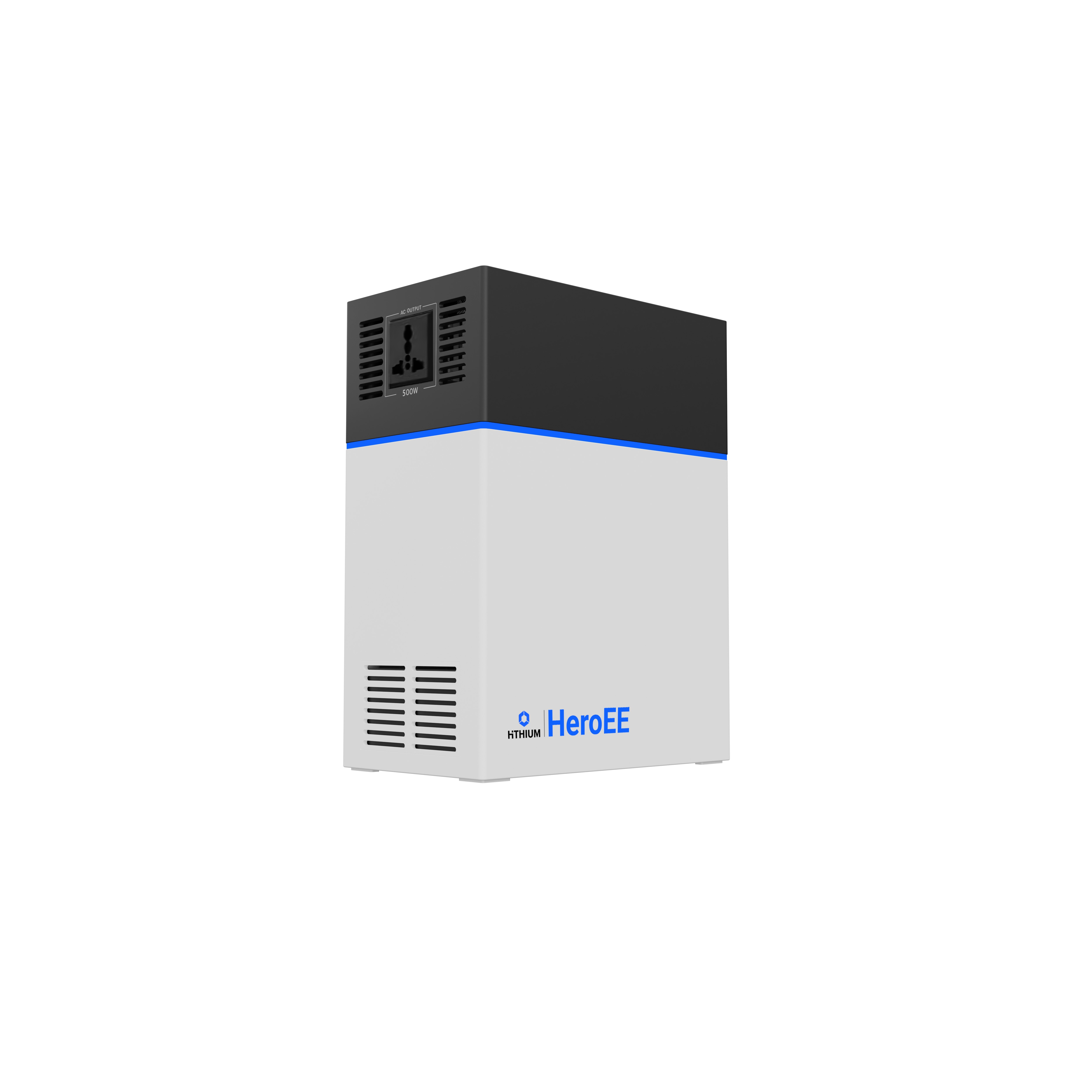
I’ve spent over 18 years helping families and builders juggle cost, autonomy, and code. That evening taught me something simple and hard at once: the most “popular” solution isn’t always the right one. And yet we all crave the easy path—until it fails at 7:12 p.m., mid-dinner. Let’s compare what we think works against what actually holds up.
Traditional Setups vs. Real Needs: Where Familiar Falls Short
Where do traditional setups fall short?
When people say “battery,” they often mean a glossy wall unit paired with a standard inverter. In practice, many first-gen systems were AC-coupled add-ons with modest round-trip efficiency and backup transfer speeds that lag under stress. In homes I’ve audited—Bergen County in January 2023 stands out—those AC-coupled stacks showed 6–8% energy loss just moving power through the power converters and wiring. I prefer designs that start at the panel and loads, not the brochure. With home energy storage systems, the flaw isn’t chemistry alone; it’s how the battery management system (BMS), inverter, and critical-load panel work together under real demand spikes. If the heat pump kicks to defrost at 5:02 p.m., does your system sag or stay steady?

Let me get technical for a beat, because this is where money slips away. DC-coupled designs often deliver higher round-trip efficiency and tighter control of state of charge (SoC). But I still see AC-coupled retrofits thrown at every house—because they’re easy to drop in—only to find inverter clipping during evening peaks and shallow usable capacity due to conservative depth of discharge (DoD). I’ve measured SoC buffers of 15% “locked away” to protect cells in winter, leaving owners baffled by shorter backup windows. That mix—hard to see, expensive to live with—cost one family in San Luis Obispo nearly 38% more in peak charges over four months. Let me put it plainly: I favor systems that prioritize load segmentation, surge handling, and thermal management before any marketing claims. Yes, I’m being blunt here—because it matters.
From Workarounds to What Works Next: Comparing Principles That Hold Up
What’s Next
Here’s the shift I’ve made in my own practice. I now start from a simple principle: the design must honor physics first, then comfort, then cost. Newer high-voltage LFP stacks (384–512 V nominal) paired with hybrid inverters reduce conversion steps and improve resilience under high surge. Think: fewer conversions, fewer losses, tighter control loops. When I replaced a 10 kWh AC-coupled unit with a 15 kWh DC-coupled LFP pack and a 10 kW hybrid inverter in Scottsdale this spring, we lifted measured round-trip efficiency from ~85% to ~92% and cut transfer time to the backed-up loads under 20 ms. No light flicker during the switchover—small detail, big quality of life. Also important: better thermal management prevents aggressive throttling above 100°F (Arizona makes quick work of weak thermal design). These are nuts-and-bolts improvements, not slogans, and they’re shaping how I recommend home energy storage systems to clients who care about stable backup more than a shiny app.
I’m also seeing stronger safety integration become standard rather than optional. Systems tested to UL 9540A with cabinet-level fire propagation controls change the conversation for builders and inspectors alike. In 2024, I worked with a custom home in Bend, Oregon—cold winters, solar-rich summers—where a split-bus panel and smart load control let us hold the battery at 30–70% SoC for longevity, then push deeper DoD during storms. We sized to 20 kWh with room for a second stack. The homeowner’s note after the first winter storm said it all: “The house felt unremarkable.” That’s success. And yes—design can feel boring when it’s right.
Let me close with the three metrics I lean on when choosing the next system—advice you can use whether you’re a builder or simply tired of guessing:
• Measured behavior under peak surge: 5-second and 10-second ratings, not just continuous power. A heat pump start can hit 40–60 A briefly—your system has to ride it.
• Real round-trip efficiency at your climate: track it over 30 days; 5–7% improvement pays back faster than you think when time-of-use pricing bites.
• Safety and serviceability: UL 9540A test data, cabinet isolation, modular packs you can swap in under 30 minutes. If it fails, can you fix it without wrecking the weekend?
In short, compare what the system does when the house is grumpy—cold starts, hot afternoons, sudden surges—not just how it looks on paper. I’ve learned that steady beats flashy, and design beats habit. If you want a neutral, engineering-first view before you buy, I’m always happy to walk a panel schedule with you—and challenge a few assumptions along the way. HiTHIUM
