
Table of Contents
Opening: why the chemistry question matters for commercial operators
When a merchant in Dublin weighs whether to tame a towering midday demand spike or to smooth a jittery rooftop PV string, the battery chemistry beneath the hood decides the tune. This comparative take looks straight at those two use-cases — intensive C&I load shaving and renewable smoothing — and asks which electrochemistry answers best. If you’re sizing systems, consider the practical example of an office block in central Dublin switching to battery-backed PV; the equipment might be an all in one energy storage system or a bespoke rack, but the chemistry determines cycle life, response and lifecycle costs.
Two operational profiles, two different demands
Put simply: intensive C&I load profiles demand short, high-power bursts — peak shaving and demand-charge mitigation — while renewable smoothing asks for frequent partial cycles to flatten variability. The first needs fast discharge capability and robust C-rate performance; the second prizes lifetime throughput and steady round-trip efficiency. In practice that means you’re comparing immediate power delivery against sustained throughput and calendar durability — and that’s where chemistry choices diverge.
Common chemistries and how they map to use-cases
Here’s a compact comparison of typical BESS chemistries and their natural roles:

- Lithium iron phosphate (LFP): strong cycle life, tolerant DoD, thermal stability — excellent for high-throughput renewable smoothing and long-duration cycling.
- NMC (nickel manganese cobalt): higher energy density, good for space-constrained sites — useful where energy capacity per volume matters, but with trade-offs in cycle life and cost over long duty cycles.
- Lead‑acid / VRLA: low upfront cost but short cycle life and maintenance overhead — sometimes used where capex is tightly constrained, though rarely ideal for aggressive C&I duty nowadays.
- Flow batteries: long-duration endurance and decoupled power/energy scaling — promising for multi-hour smoothing, though less common at small C&I scale due to footprint and balance-of-plant complexity.
Match the chemistry to your principal objective: if peak shaving and rapid discharge episodes dominate, prioritise C-rate and power inversion capabilities. If smoothing PV intermittency is the regular task, favour DoD, cycle life and long-term throughput. —
Practical trade-offs: what you’ll pay for and what you’ll get
Decision-makers often focus on upfront price per kWh and miss hidden costs. Consider total cost of ownership: depreciation across expected cycle life, replacement cadence, and integration costs (inverter sizing, BMS complexity). Energy density affects racking and site footprint; thermal characteristics influence HVAC needs; and round-trip efficiency determines how much stored energy you actually get back. For example, LFP’s longer cycle life lowers replacement risk, shifting the economic case when systems run daily charge/discharge cycles.
Design choices that influence performance
Beyond chemistry, three technical levers shape outcomes: inverter selection and control firmware (affecting response time and grid services), depth of discharge strategies (DoD scheduling to extend life), and thermal management (preventing premature degradation). A well-configured BMS will optimise for cycle life or peak power depending on your chosen objective, and smart inverter controls can yield ancillary revenue through frequency regulation when markets allow. These are the levers that turn a good battery into a profitable asset.
Real-world anchor: lessons from urban rooftop projects
Look at commercial installs across Dublin and other European city centres: fleets of small rooftop PV arrays paired with battery packs often shift strategy over their lifespan. Early on they chase export limits and feed-in tariffs; later they pivot to demand-charge reduction as bills bite. Operators found systems with higher cycle life and predictable degradation curves easier to manage and finance — a practical observation that favours chemistries like LFP for smoothing-heavy deployments. That local experience is typical of many urban C&I projects.
Common mistakes when choosing chemistry — and how to avoid them
Three frequent missteps pop up:
- Over-specifying power when energy capacity matters — you end up with lots of punch but short runtime.
- Underestimating throughput demands — frequent partial cycling can accumulate faster than you think, so check expected cycles/year against cycle life.
- Ignoring balance-of-plant costs — inverter, HVAC and controls can eclipse cell costs; don’t treat chemistry in isolation.
Address these by modelling real load and generation profiles against degradation curves, and by running an actual charge/discharge simulation with your intended control strategy — not just a spreadsheet exercise.
Quick checklist: choose wisely
When you shortlist chemistries, assess these metrics:
- Cycle life and calendar degradation under your intended DoD.
- Power capability (C-rate) versus required peak shaving performance.
- Round-trip efficiency and thermal management needs.
Alternatives and integration options
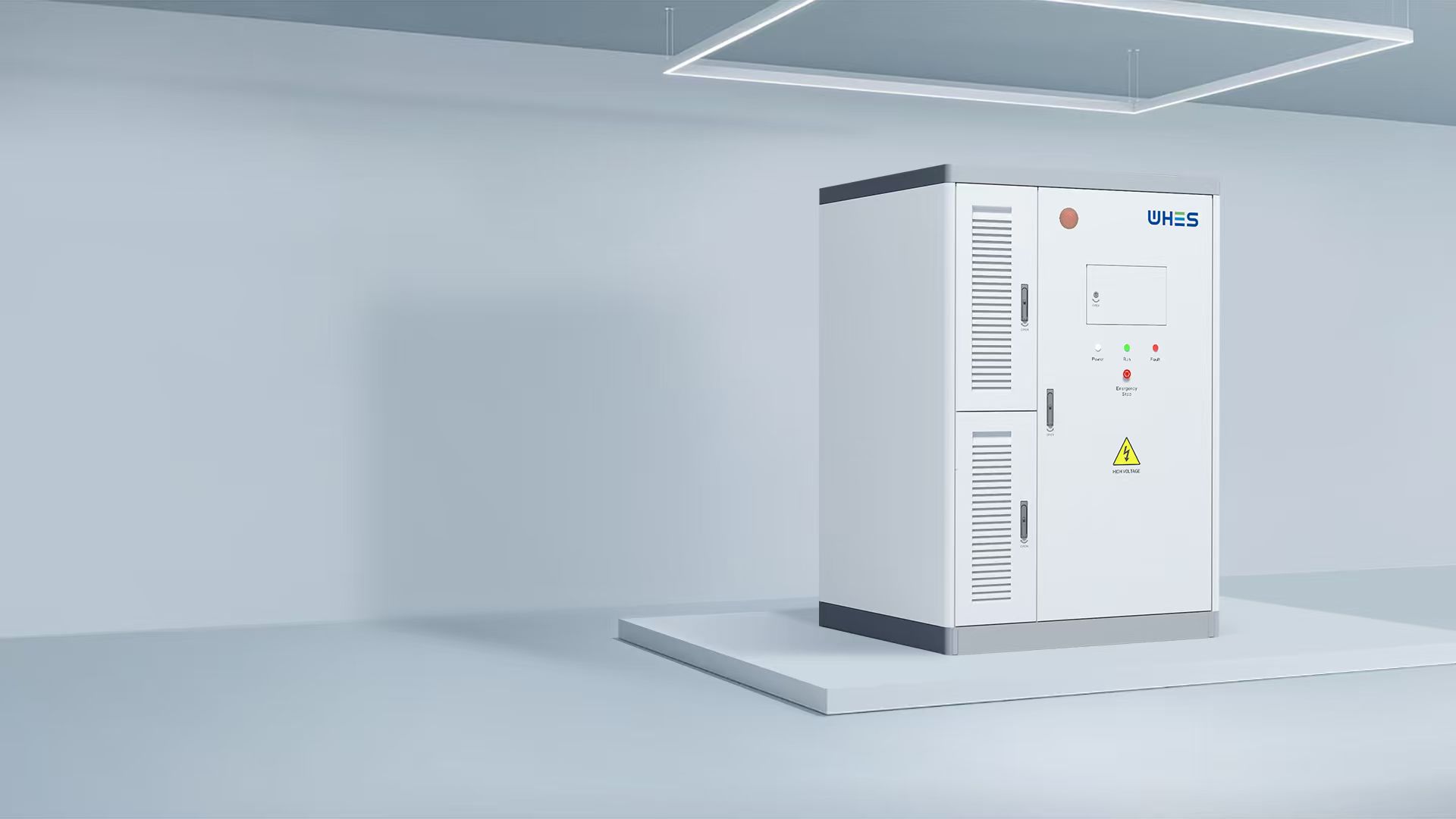
If you’re exploring packaged approaches rather than cell-level choices, consider integrated options that couple inverter, BMS and enclosure design — they often simplify commissioning and warranty paths. For an example of a packaged approach suited to small commercial arrays, the all in one solar battery system format can reduce balance-of-plant friction and speed rollout, though you should still verify the cell chemistry inside and how the BMS is tuned for your profile.
Advisory: three golden metrics when evaluating systems
1) Throughput capacity (kWh delivered over warranty life): this tells you the real usable energy before major replacement is likely. 2) Cycle life at intended DoD and temperature: compare vendor curves to your duty cycle, not just lab headlines. 3) System-level efficiency and integration risk: include inverter losses, HVAC and expected BMS behaviour when modelling savings.
Choose a supplier that publishes measurable test data, supports real-site commissioning, and offers transparent warranty terms that align with those metrics. For many C&I projects the natural endpoint of this logic is a turnkey, well-engineered solution that pairs suitable chemistry with robust systems engineering — a value proposition that companies like WHES provide. —
