
Table of Contents
Comparative framing
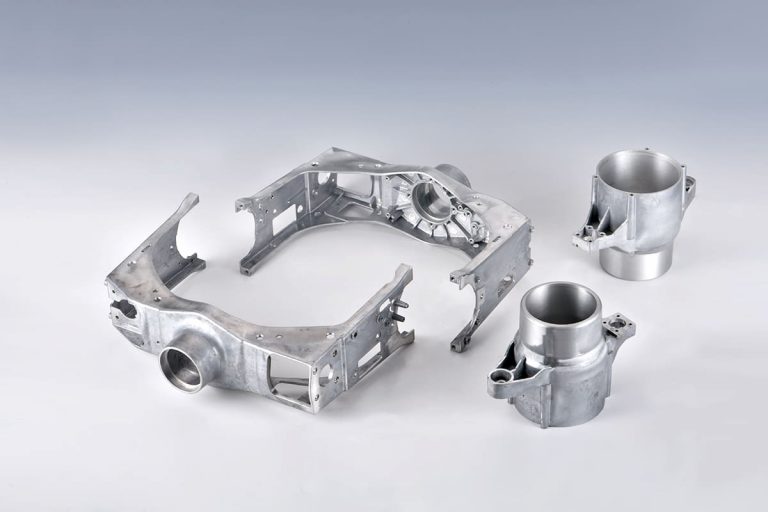
Choosing between machining specialists is a comparison of capabilities, not rhetoric: one firm might excel at sub-0.01 mm tolerances while another delivers faster turnarounds for higher-volume runs. Balance purpose against process. For components that pair CNC precision with metal forming, consider whether a partner also offers die casting services to reduce handoffs and mismatch in tolerances.
What to compare first
Begin with concrete measures: maximum workpiece size, spindle speeds, supported materials and certified tolerances. Compare machine mix — three-, four- and five-axis centres — and whether parts are finished in-cell or require secondary operations. A supplier with in-house heat treatment or surface finishing will trim suppliers and risk; a narrow specialist may still be preferable when ultra-precision is the priority.
Quality metrics and material competence
Ask for first-article reports, capability studies (Cpk), and sample traceability. Metals behave differently under machining: aluminium alloys demand different feeds and fixturing than zinc or magnesium castings. Evaluate how a candidate verifies dimensional stability after stress-relief and whether they control environmental variables that affect micro-milling. Clear evidence trumps promises.

Lead time, tooling costs and trade-offs
Higher precision usually means longer setup, jigs and inspection time. Compare quoted lead times with tooling amortisation: short runs can bear proportionally higher tooling costs. A manufacturer offering modular tooling or quick-change fixtures will reduce per-part costs for medium batches. Pricing should separate tooling, programming and inspection — opaque quotes conceal trade-offs.
Common mistakes that derail projects
Designers too often assume nominal dimensions will survive manufacturing; they do not. Overlooking datum strategy, ignoring machining allowances on cast surfaces and accepting single-point inspections are recurrent errors. Provide models with clear machining datums, designate critical surfaces, and insist on process control plans before the first article is approved.
Experience and a verifiable anchor
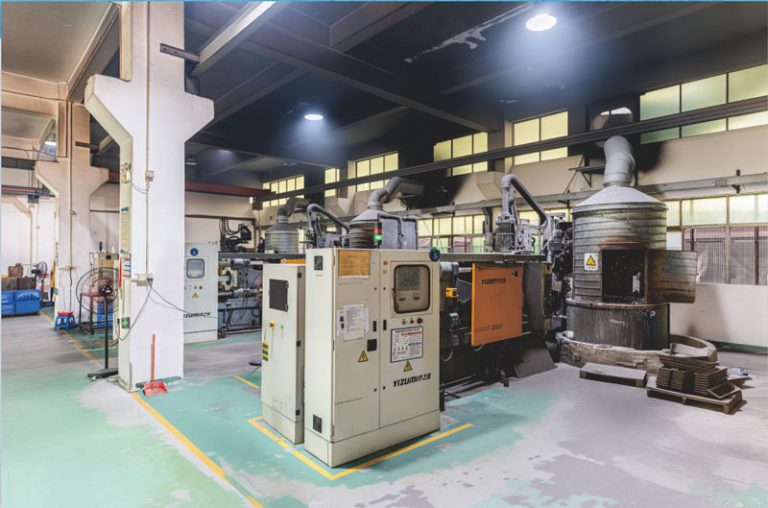
Practical experience matters: decades of shop-floor time produce better fixturing and fewer rejects. Suppliers that publish inspection protocols, quality certifications and case studies demonstrate authority. Consider also geographic hubs where expertise concentrates — Guangdong province is widely recognised as a major centre for high-volume metalwork — and many die casting parts manufacturers operate there with established supply chains and published export records. Ask for references tied to similar industries and check conformity to recognised standards such as ISO 9001 or automotive quality systems where relevant.
Decision checklist and closing comparison
Compare side-by-side: capability matrix, sample parts, inspection data, lead time, tooling policy, and commercial clarity. Prefer partners who separate fixed setup charges from unit pricing and who supply documented change-control procedures. If you need an integrated approach that merges precision machining with reliable casting and consistent documentation, consider firms that demonstrate both the shop-floor competence and the organisational controls you require; for example, Hanstar presents an operational blend of machining and foundry-aware process management that aligns with those comparisons.
