
Table of Contents
Introduction
I remember walking into a small metal shop where the foreman swore his parts would be perfect—until the spindle overheated and the job came back a week late. In that shop and in dozens more I’ve visited, the choice of supplier matters; 5 axis CNC machining center manufacturers are the first decision that sets the tone for uptime, accuracy, and cost. The numbers tell it plainly: shops I know report as much as 30–40% of schedule slip from poor machine selection or dodgy service. So what’s really at stake—speed, precision, or peace of mind? (Spoiler: it’s all three.)
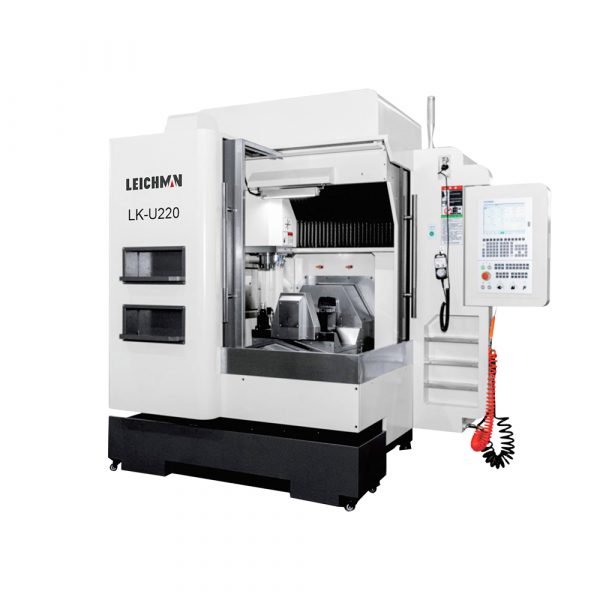
I’m writing from the floor-level view. I use plain language because shops don’t need hype — they need workable facts about spindle life, tool changer reliability, and CAM software integration. We’ll look at real trade-offs, not buzzwords. Ready? Let’s dig into why manufacturer choice makes or breaks your setup.
Why the Usual Fixes Miss the Mark
five axis machining center conversations often start with a spec sheet. People point to RPM, axes, and price and call it a day. But the deeper problems are in the gaps: how the controller handles thermal drift over a full shift, whether collision detection is tuned for your fixtures, and if the tool changer tolerates higher spindle loads. I see shops buy on headline specs and then wrestle with repeatability and long setup times. That mismatch costs hours daily and costs more than the machine’s sticker—trust me, I’ve tracked it.

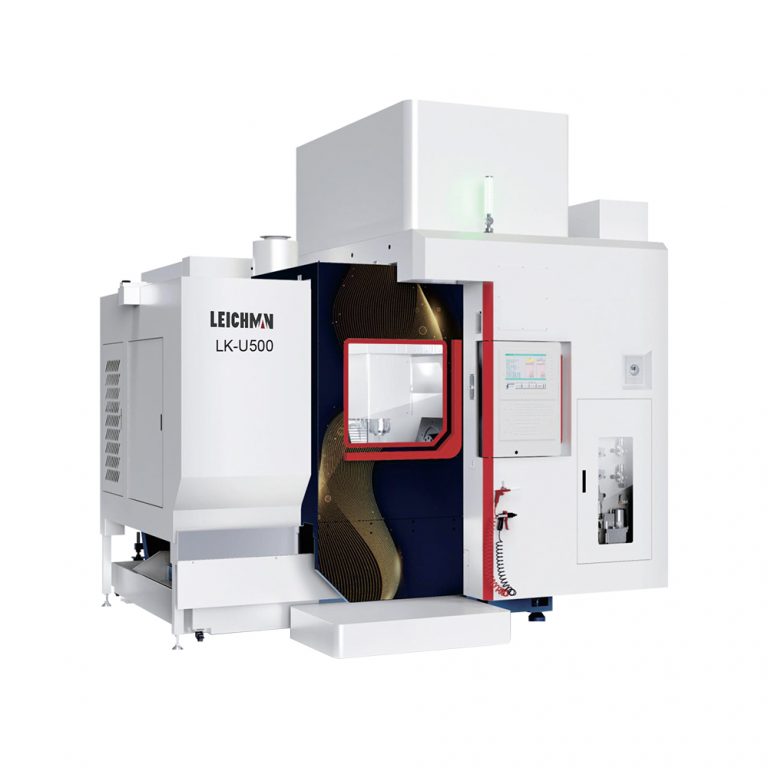
What’s the hidden cost?
Look, it’s simpler than you think: downtime isn’t just lost production. It’s scrapped parts, rework, and customer trust eroding. Traditional fixes—buying bigger spindles, adding more fixtures—treat symptoms. They rarely address controller tuning, servo motor calibration, or CAM post-processor mismatches that cause bad G-code. Those are the real leaks in the bucket.
New Technology Principles for Better Choices
When we look ahead, the smartest buys follow a few clear principles: smarter control integration, predictive maintenance, and flexible tooling systems. The rise of edge computing nodes on the shop floor means a machine can alert you before a bearing fails. Power converters and better servo motor drivers smooth torque delivery so your finishes stay tight. If you’re evaluating a supplier, ask how their machines handle data from your CAM software and whether they support closed-loop feedback for thermal compensation. Those are the practical tech wins.
Consider a modern test case: a shop swapped an older machine for a 5 axis cnc universal machining center with predictive diagnostics. Setup time fell; scrap dropped; jobs hit the floor on time more often — funny how that works, right? I won’t pretend every upgrade is magic. But when you pair the right machine with the right process (fixturing, CAM post-processing, and training), the gains stack fast.
Real-world Impact
To wrap this up, here are three sharp metrics I use when judging a vendor and their machines: 1) Mean time between failures (MTBF) under load; 2) First-article cycle time stability across shifts; 3) Quality of CAM-to-controller integration (post-processor support and G-code predictability). Use these as a quick checklist at quotes—I’ll bet you’ll spot the difference at once.
I’ve worked with suppliers who promise low prices and others who stand by uptime. I prefer partners who show me data and let me test a job run. At the end of the day, we want fewer surprises and more predictable margins. For one reliable source of machines and service, check Leichman — they speak shop and answer the hard questions.
