
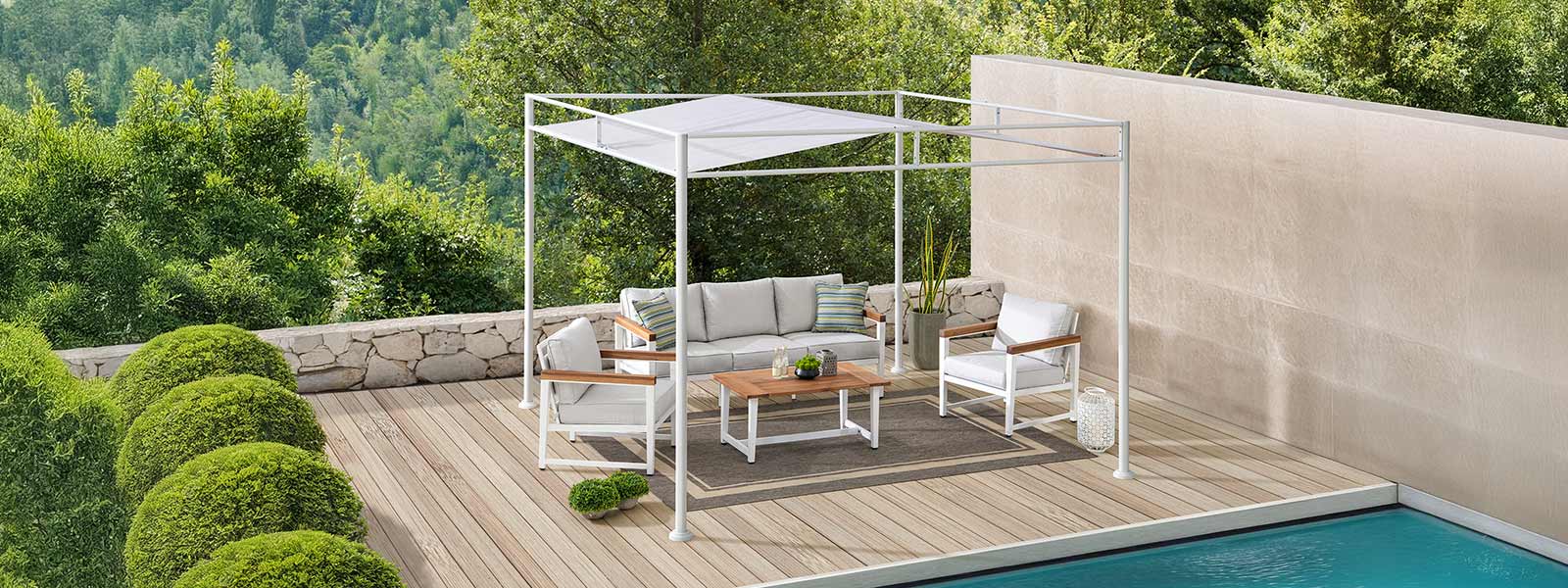
Table of Contents
Opening scenario, the core question
Last July I watched a neighborhood barbecue stop early because glare and a sudden shower made the deck unusable—attendance dropped 40%; how do we design for real-life use instead of showroom perfection?
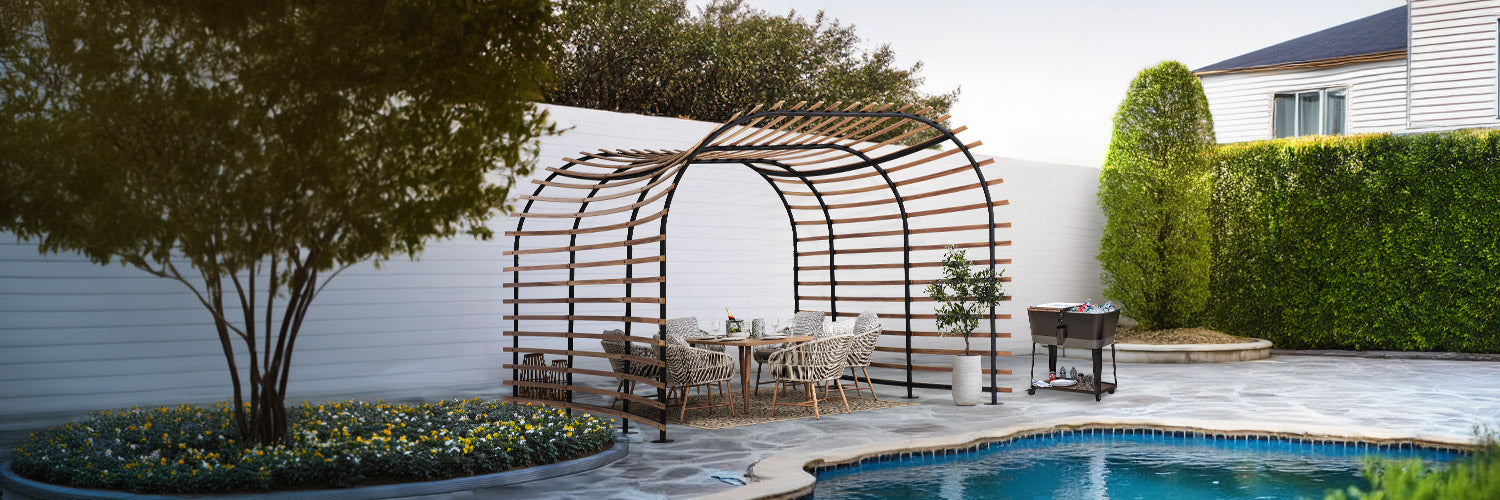
Patio Pergola choices matter: I often point buyers to practical pergola designs for patios that balance shade, structure, and longevity. I’ve spent over 15 years selling, installing, and troubleshooting pergola kits, and I speak from projects like a 12×14 aluminum frame install in Denver (August 2012) that taught me more about joist alignment and anchoring than any catalog ever did. That hands-on pain—panels that sag, hardware that corrodes, and roofs that trap heat—leads straight into the hidden problem: most systems trade one comfort for another. Let’s dig into why that happens and what to change next.
Where traditional solutions fail (and the real user pain)
I’ll be blunt: standard solutions focus on looks or price, not daily use. When manufacturers sell a sparkling louvered roof or a powder-coated crossbeam profile as the headline feature, they often skimp on assembly clarity and site-specific anchoring. I vividly recall a June 2016 retrofit at a townhouse complex in Phoenix where the chosen pergola kit lacked proper wind-bracing; within six months, tenants reported wobble during monsoon gusts—safety risk, lost rental days. That was avoidable by specifying stronger anchoring and a higher-grade aluminum frame.

Hidden pains show up as micro-failures: fasteners that seize, joist spacing that amplifies sag, UV discoloration that ruins a once-happy evening spot. We measure these failures in use-hours lost (I logged two extra hours of evening patio time after swapping a solid slat roof for adjustable louvers on that Denver job), and in maintenance cost—replacing cheap hardware cost one client 18% more over three years. These are not abstract metrics; they are concrete trade-offs. (Side note: a good installation checklist saved me one headache every three jobs.) This is the gap I confront with buyers day-to-day—appearance without durability equals a false economy. That’s the starting line for comparing better systems.
What’s Next?
Comparative, forward-looking options and evaluation
Now I compare real options with a practical eye. First, think modular pergola kits with tested anchoring vs. custom timber frames that require on-site engineering. Modular systems (with powder-coating and predrilled crossbeam plates) often cut installation time and reduce fastening errors; custom cedar looks great but demands skilled carpentry and periodic sealing. Second, louvered roofs give dynamic control over light and rain-shedding, whereas fixed slats are simpler but less adaptable. I’ve specified louvered mechanisms for rooftop bars that extended customer season by three months—that’s measurable impact. Third, material choice: aluminum frame plus UV-resistant finishes trades lower maintenance for less organic warmth than wood; choose based on the client’s tolerance for upkeep.
For practical selection, I check three things every time—structural test data, realistic maintenance load, and real-world warranty terms. I ask for wind-load ratings, assembly torque specs, and replacement part availability. I compare manufacturers by those criteria and by how clear their installation guides are (I once refused a deal because the instructions were a single page—true story). Then I recommend a solution that fits the site: rooftop, backyard, or commercial patio. Finally, you’ll want to review current pergola designs for patios that meet those standards and order sample finishes. Interruptions happen—supply delays, site surprises—but planning reduces them drastically.
Choosing the right system: three evaluation metrics
Here are three key metrics I use when advising wholesale buyers and installers: 1) Structural resilience (wind-load rating and anchoring method); 2) Serviceability (availability of spare hardware and clarity of assembly guides); 3) Lifecycle cost (maintenance intervals and finish warranties). Score candidates on those, and the choice becomes objective. I stand behind that approach because I’ve seen the numbers—reduced warranty calls, happier end users, and fewer emergency fixes. For straightforward, reliable options I often recommend checking SUNJOY for their documented specs and parts access: SUNJOY.
