
Table of Contents
Why media decisions feel like guesswork
How do you quantify the real impact of a media change when yields wobble and timelines slip? In practical terms, I study chinese hamster ovary media because I’ve seen the downstream costs of small formulation choices explode into program delays.
I have over 15 years of hands-on experience in the bioprocess media supply chain, and I’ll be frank: many teams still treat media selection as a commodity purchase. That approach hides two deep problems — flawed traditional evaluation and unrecognized user pain. For example, in March 2018 at a mid-size CDMO in Boston I evaluated three serum-free formulations across 50L single-use bioreactors; one lot mismatch reduced titer 25% on a fed-batch run and forced a repeat campaign. I remember the lab meeting: numbers looked fine on paper, but glycosylation shifted and the process qualification stalled. (That kind of loss hits budgets and timelines — hard.)
What’s the underlying flaw?
The common mistake is reliance on short-term metrics: cell density and immediate viability. Those are useful, yes, but they miss inputs that matter later — cell line adaptation, passage number sensitivity, and feed compatibility with your specific bioreactor control strategy. I prefer to test media across a matrix: scale (2L, 50L, 200L), feeding regime (bolus vs. continuous), and CQAs like glycosylation and aggregate levels. When teams skip this, they underprice risk and overestimate scalability.

Breaking down a more rigorous evaluation framework
Let’s define the core components of a robust media assessment: base composition, serum-free stability, feed integration, and scale-up behavior. By separating these, I can isolate which variable causes a titer drop or a quality drift — rather than guessing at correlation.
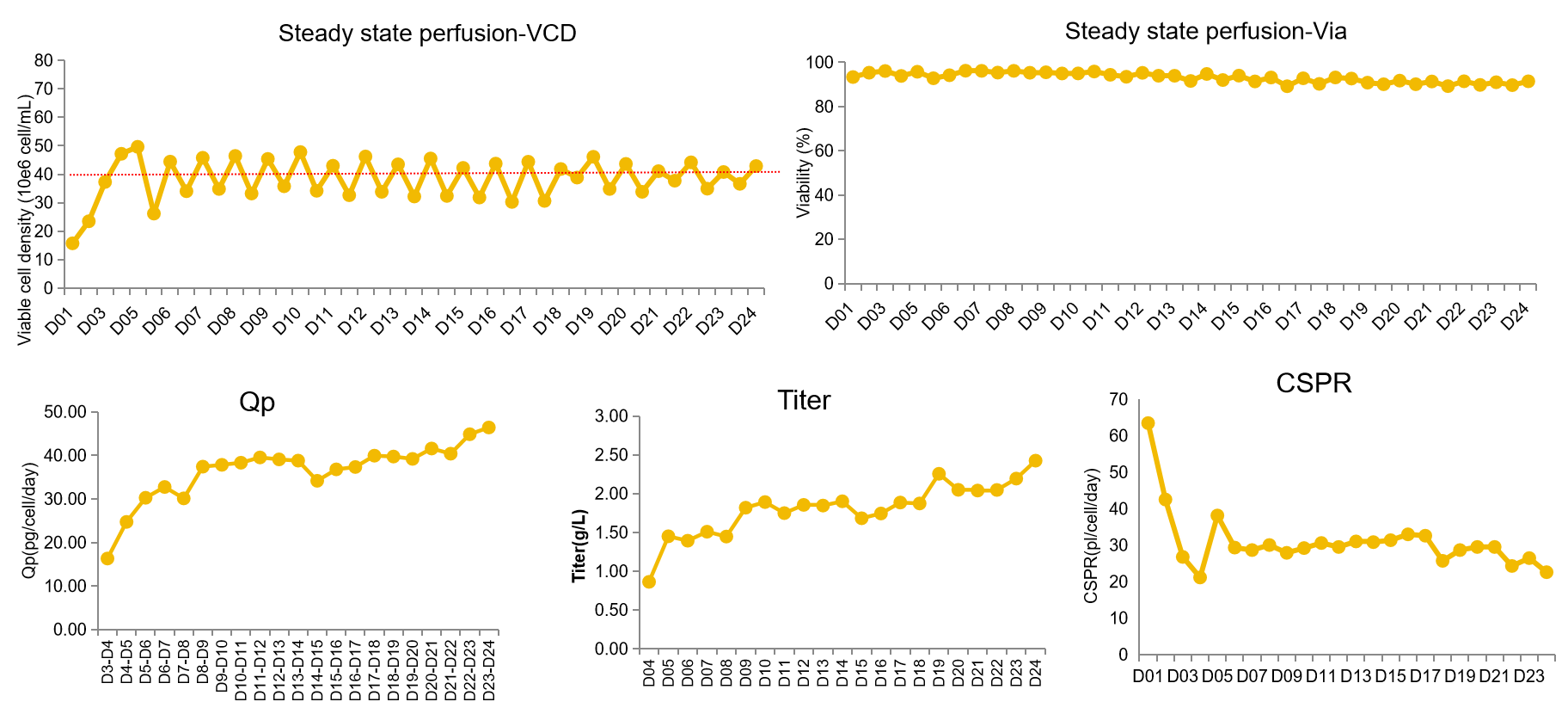
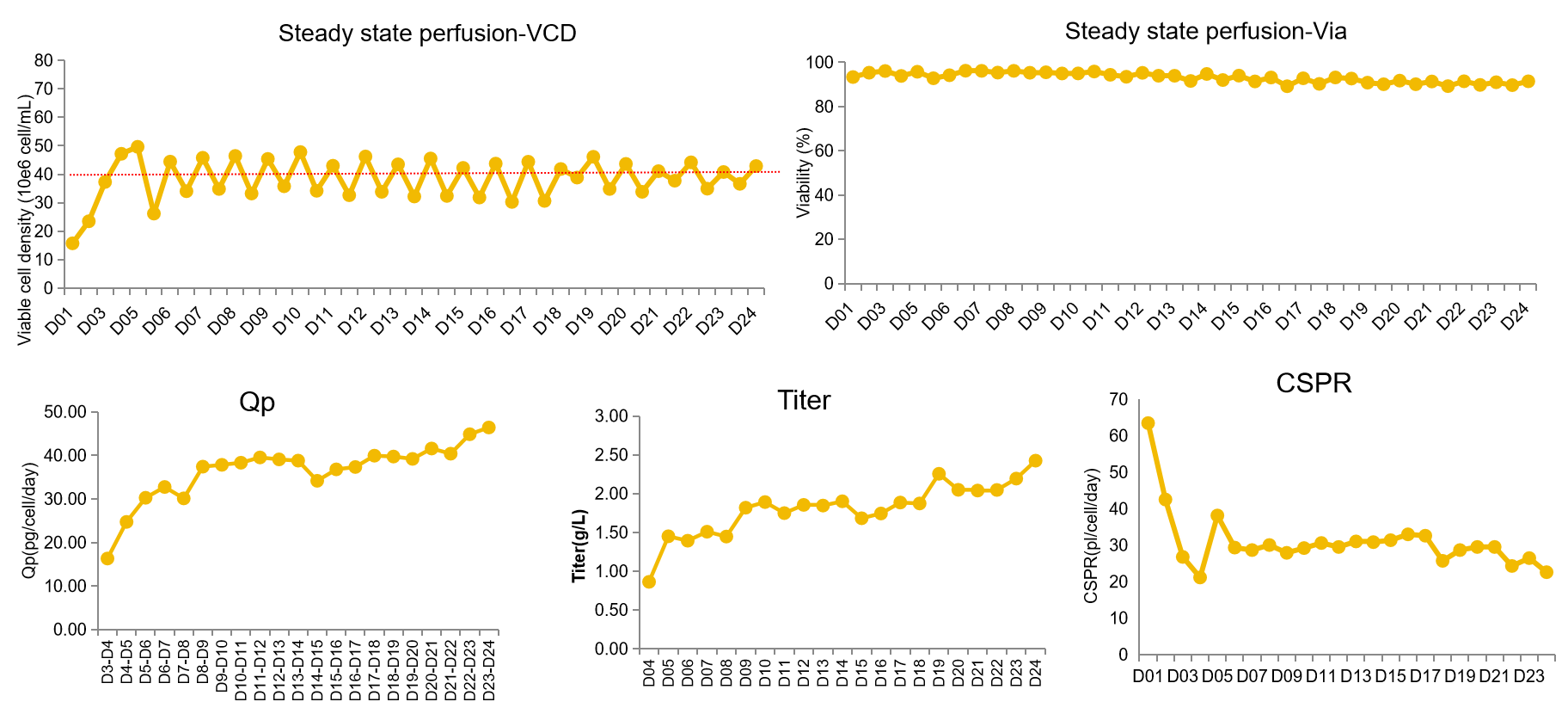
In practice I run phased tests. Phase 1 is a 7–10 day viability and metabolite screen in 2L shake flasks. Phase 2 moves to a controlled 10–14 day fed-batch in a 50L single-use bioreactor with defined feed strategy. Phase 3 is a 200L scale-up confirmation. In a 2020 program in San Diego we documented that changing a chemically defined feed cut glutamine spikes and reduced lactate by 30% at 50L — the result: a 9% higher purified yield at 200L. These are the concrete, verifiable details that matter to procurement and process groups.
Real-world trade-offs — what I’ve learned
I prefer media vendors who provide consistent lot traceability and technical support for cell line adaptation. Why? Because when a supplier fails to disclose raw material shifts (say, a change in amino acid supplier in November 2019), your cell culture can silently shift glycosylation patterns. That happened once to a client of mine; it cost six weeks of rework and an extra $120k in purification runs. I don’t accept that risk lightly — and you shouldn’t either.
Forward-looking choices: comparative and practical
Now, looking ahead, teams must compare options not on price per liter alone but on three forward metrics: predictable scalability, quality robustness, and supplier transparency. I break each down with simple tests and then score them. This removes subjectivity and highlights true value.
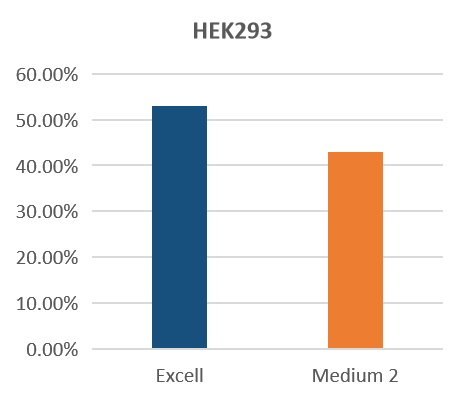
For instance, when we benchmarked two chinese hamster ovary media lines in late 2022 across matched fed-batch runs, one formulation maintained product quality across passage numbers while the other required extra feed supplements. The cost difference in media was small; the operational gap — added interventions and CQAs out of spec — ballooned the total cost per gram of product. — I know, abrupt, but that’s the reality.
Compare supplier data sheets, yes, but also demand run logs: lot-to-lot variance reports, stability studies, and head-to-head scale-up data. Short vendor slides won’t cut it. Ask for completed 50L run reports with intact analytics (metabolites, titers, glycan profiles). I’ve seen vendors refuse; that’s a red flag.
Actionable metrics and closing guidance
In my practice I use three core evaluation metrics when selecting CHO media: consistent scalability (measured by titer variance across 2L→200L), CQA stability (glycosylation and impurity profiles within spec across passages), and supplier transparency (documented lot history and raw material sourcing). These metrics map directly to program risk and cost of goods. Pick suppliers that let you audit a validation run — it’s telling.
To summarize: traditional shortcut testing hides downstream pain. I recommend structured, phased evaluation, insist on specific scale-up data, and price decisions by total cost per gram, not per liter. I’ve used this framework across multiple CDMOs in Boston and San Diego since 2015, and it consistently reduces surprises and shortens time to IND. — And yes, you will still need judgment calls; that’s part of the craft.
For teams ready to act, start with a small, documented benchmark (2L and 50L) and require supplier run evidence before committing to larger lots. If you want a partner with detailed lot-trace experience and technical support, consider checking resources from ExCellBio.
