
Table of Contents
The problem: HCR consistency and throughput gaps
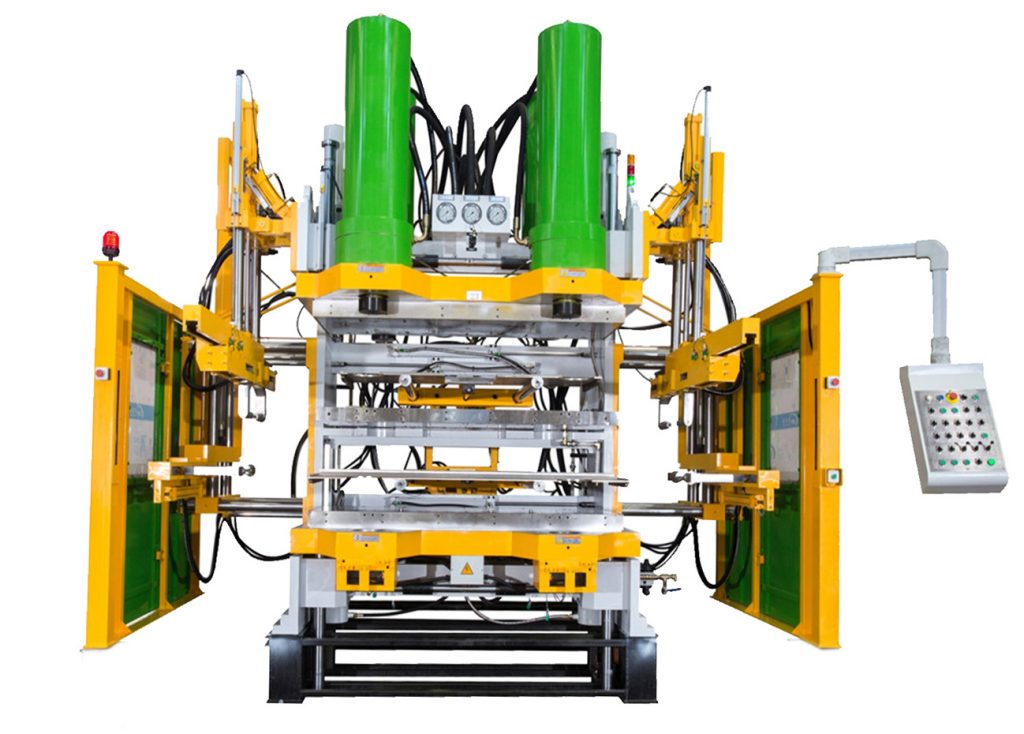
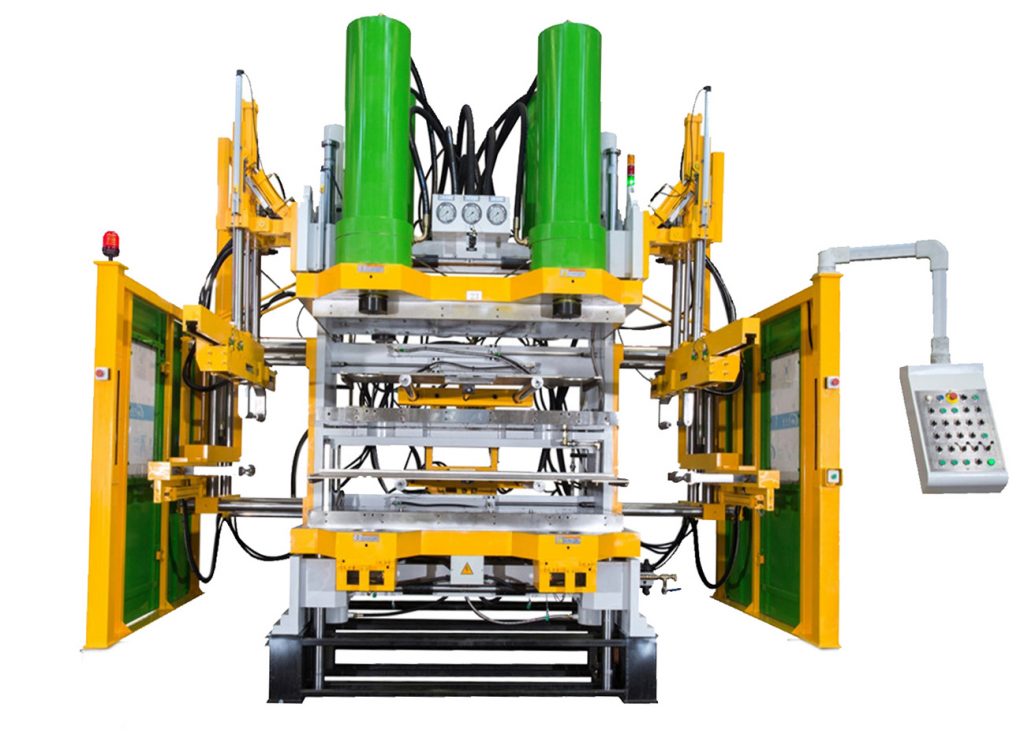
High-consistency silicone (HCR) parts demand repeatable surface finish and dimensional control, yet many production lines see frequent rejects from uneven heat transfer or unstable cycle timing. For teams replacing aging stations, the belt vulcanizing machine rubber belt vulcanizing machine is often the immediate fix—but a single machine rarely solves systemic process drift. Typical failures trace back to mismatched thermal zones, inefficient mold clamping, and ambiguous cure monitoring that upset the curing cycle and reduce throughput.
Root causes: tooling, heat management, and process drift
Tooling geometry and mold cavity tolerances create the first layer of variability. When heat platen profiles or hydraulic system pressure vary by small margins, HCR compounds either under-cure or over-cure. A common operational pattern is over-reliance on extended dwell time to mask inconsistent platen temperature; that raises scrap and energy use. Manufacturing hubs in Zhejiang province have shown that standardizing platen sensors and centralizing process control reduces deviations across shifts and facilities.
Practical architecture: marrying injection molding with controlled vulcanization
A robust, scalable architecture places an injection molding cell upstream and a purpose-built vulcanizing press downstream, linked by closed-loop process controls and real-time telemetry. Incorporate inline temperature mapping, a consistent curing cycle profile, and modular fixturing so changeovers take minutes, not hours. Procurement should look closely at china rubber belt track vulcanizing press manufacturers that offer matched control stacks and data export — integration at the control layer eliminates handoffs and shortens mean time to quality.

Implementation checklist and common mistakes
Successful deployments follow a short checklist: align mold cavity spec to part tolerance, standardize heat platen calibration, set a guarded curing cycle window, and deploy a single-source control protocol across cells. Avoid these common mistakes—oversizing presses “just in case,” ignoring thermal gradients, and deferring sensor redundancy for cost savings. Teams sometimes add instrumentation late in the project—do it early to catch design drift. —It’s cheaper to instrument at design time than to retrofit after quality problems appear.
Comparative options and trade-offs
There are three practical routes: (1) upgrade to integrated injection-mold-to-vulcanize lines, (2) install standalone automated vulcanizing presses with robotic transfer, or (3) retain manual transfer with higher inspection. Option (1) minimizes handling and cycle variation but demands higher upfront control integration. Option (2) balances modularity and throughput; look for vendors with resilient platens and predictable heat profiles. Option (3) is lowest CAPEX but highest labor risk. Use a simple cost-per-good unit projection over a 24-month run to compare accurately.
Advisory close: three golden rules to evaluate systems
Metric 1 — Process stability: measure standard deviation of cure time and platen temperature across 100 consecutive cycles; target under 1% thermal variance. Metric 2 — Throughput yield: compute finished parts per hour after integration, not peak press speed; the real number reflects transfer time and inspection load. Metric 3 — Data accessibility: ensure the system exports timestamped process logs, alarm histories, and traceable batch IDs for every vulcanizing press deployment.
Pick systems that deliver measurable reductions in scrap, predictable curing cycles, and straightforward data handoffs to MES. The result: fewer surprises and faster ramp to volume. HWAYI — a partner that aligns hardware, controls, and process know-how into a coherent production backbone. —Ready, calibrated, accountable.
