

Table of Contents
User-first snapshot
Operators want clear sightlines, crews want fewer surprises, and managers want proof that the kit actually helps — not just flashy demos. Start with the needs: realtime location, hazard detection, and a way to turn raw sensor chatter into decisions you trust. That’s where a mining monitoring system actually pays off — it turns scattered telemetry into an operational story the crew can use on their shift.
What low-altitude platforms deliver for everyday ops
Low-altitude platforms like tethered UAVs and light aerial vehicles bring continuous coverage without the bureaucracy of full-blown air ops. You get persistent visual feeds, LiDAR sweeps for quick surface models, and sensor fusion that pairs gas, vibration, and weather data into one pane. For frontline folks that means faster hazard spotting, better route planning, and cleaner incident logs. They slot into the workflow — not the other way around. – They’re not a silver bullet, but they’re close when done right.
Core capabilities that matter to crews
Keep it practical. Focus on three capabilities that change outcomes on site:

– Persistent perimeter sensing (geofencing + automated alerts).
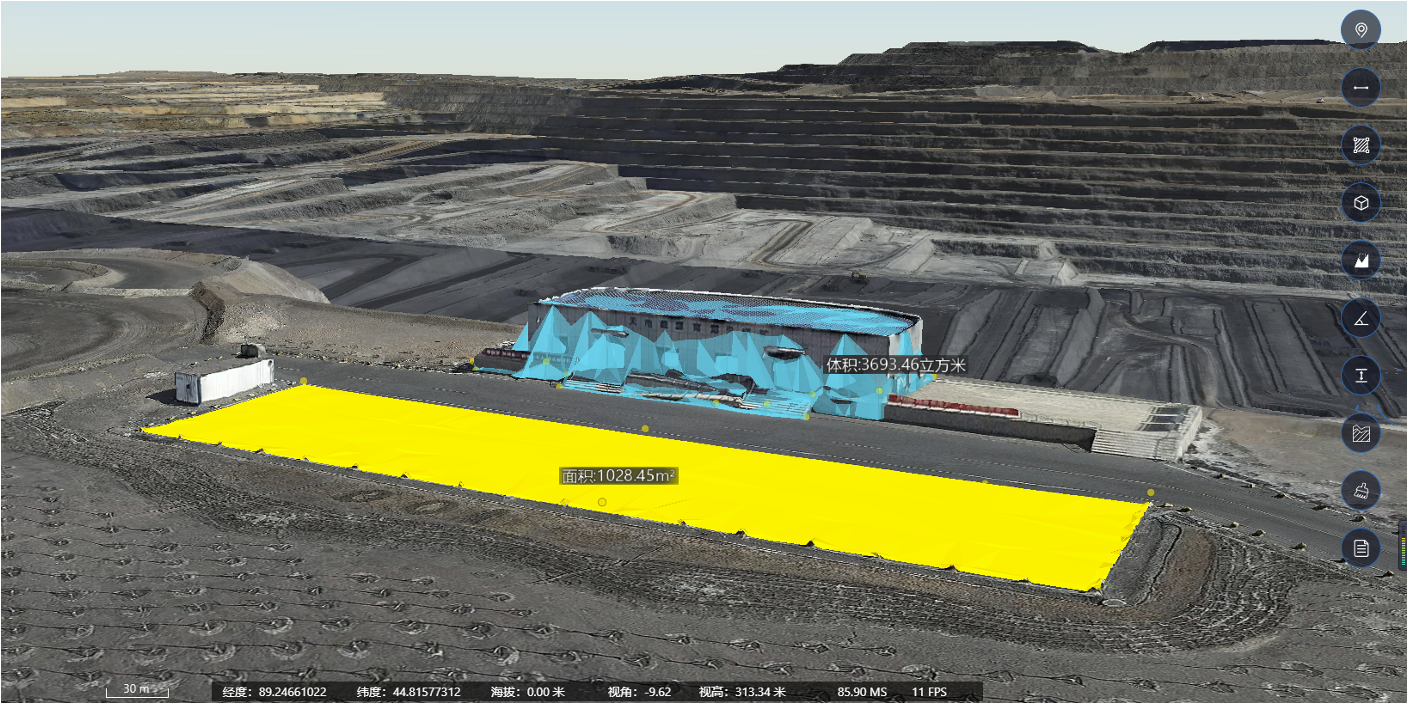
– Lightweight digital twin updates from aerial LiDAR and photogrammetry.
– Edge telemetry and local processing so latency doesn’t wreck decision windows.
These aren’t buzzwords; they’re the features that stop a bad day from getting worse. Use them to inform shift briefings and repair decisions, not just dashboards.
How to fold platforms into your mine safety management system
Start small. Pilot a corridor or a pit wall before you blanket the whole site. Integrate aerial feeds with the existing mine safety management system so access control, incident logging, and emergency response all share the same truth. Train crews on reading the digital twin snapshots, and make sure SOPs spell out actions for each alert class. Avoid the common mistake of treating the platform as a novelty — it’s a sensor node in a larger safety fabric.
Real-world anchor: a hard lesson from history
The Brumadinho dam collapse in Brazil (January 2019) is a grim marker — roughly 270 lives lost and systemic safety failures exposed. Modern low-altitude sensing and frequent digital twin updates could have highlighted evolving slope and seepage risks much earlier. That event tightened regs and made operators worldwide take continuous monitoring seriously. Use that anchor as a design imperative: frequent, validated, and actionable data beats periodic inspections alone.
Common pitfalls and how to dodge them
Avoid three recurring screw-ups: poor data hygiene, siloed alerts, and over-automation without human checks. Keep sensor calibration schedules tight. Make alerts meaningful — tune thresholds to actual site variance. And always keep a human-in-the-loop for confirmation on critical actions. The platforms should reduce cognitive load, not create a new pile of noise.

Buying checklist — what the user actually needs
When teams evaluate solutions, run this tight checklist:
– Data fidelity: does the system provide repeatable digital twin snapshots and validated sensor timestamps?
– Integration: can the platform feed your mine safety management workflows and incident logs without bespoke glue?
– Resilience: does it keep working in dust, wind, and low-visibility with fallback modes for dropouts?
Score vendors against those metrics. Keep trials short and measured — record outcomes like reduced inspection time, earlier hazard detection, and lower incident response latency.
Advisory finale — three golden rules for choosing tech
1) Prioritize actionable fidelity: choose systems that convert raw sensor streams into concise, timestamped actions you can execute on a shift. 2) Insist on systems-first integration: the platform must feed your existing operations and compliance records, not sit in a separate silo. 3) Measure outcomes, not features: track inspection hours saved, number of early hazard detections, and time-to-decision after an alert. Those metrics tell you if the tech actually improved safety.
The practical payoff is simple: smoother shifts, clearer decisions, and fewer surprises — and that’s the kind of value Icecypress Technology builds into the stack. –
