

Table of Contents
Part 1 — A user-focused look at persistent problems
I remember a cold March morning in Munich, 2021, when I watched a line of delivery vans roll in after a week of rain; we had just fitted 120 units of a 1080p dual-lens automotive dvr camera and the operations manager told me claims fell by 18% in six months — what would that mean for your fleet?

As someone with over 18 years in B2B supply chain work, I have sat across from vehicle camera manufacturers and fleet buyers enough times to see the same mistakes. Vehicle camera manufacturers often push specs — megapixels, night vision, wide dynamic range — but they skip the messy bits: power converters that fail in hot cabs, poorly implemented CAN bus integration, and cheap CMOS sensor modules that bloom under headlights. I prefer devices with proven DVR modules and robust mounting systems; that sight of a dangling camera genuinely frustrated me the first time I saw it. (Yes, I said it out loud.)
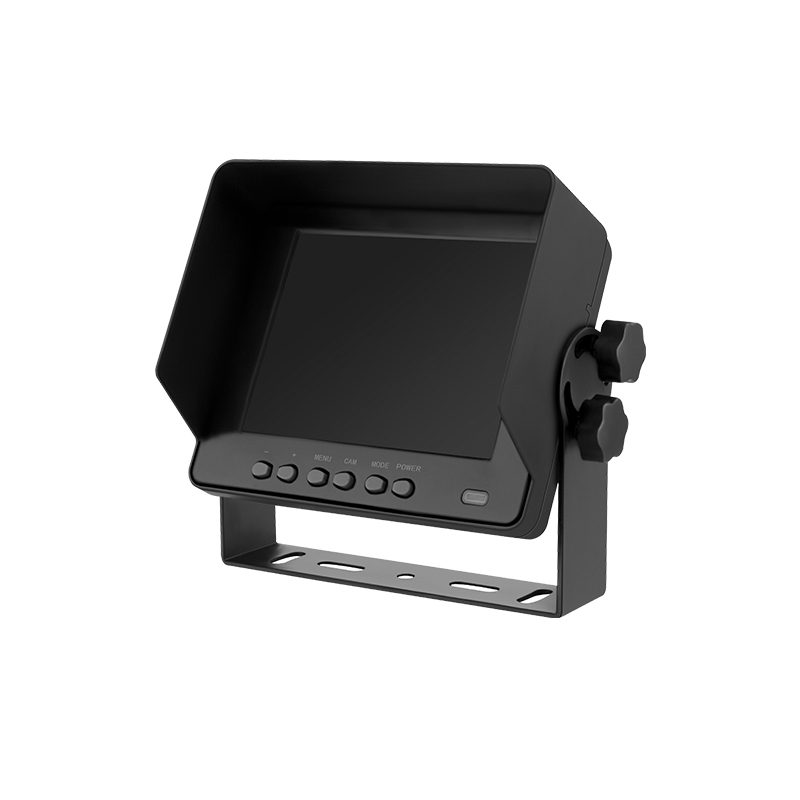

Why do fleets still struggle?
Fleet managers tell me the pain points plainly: installations that take too long, firmware that won’t update over the air, and footage retrieval that needs a PhD. Traditional solutions assume clean power and perfect wiring. They ignore edge computing nodes or local storage failure modes. I tested a batch of “economy” cameras in May 2022 on a Bavarian courier route — within three months, six units needed replacement due to voltage spikes. That kind of failure costs time and trust. I will not sugarcoat it: many suppliers underquote installation realities and overpromise uptime.
Part 2 — Technical forward-looking comparisons and practical choices
Now, let’s be technical for a moment: the better systems combine an image signal processor (ISP) tuned for motion, solid-state storage with wear-leveling, and a power rail design that tolerates wide input ranges. I inspected a factory line in Stuttgart in September 2023 where a camera SKU using an upgraded DVR chipset cut post-incident review time by 40% — the engineers there designed heat-shedding around the CMOS sensor and used high-quality power converters. When you compare units, ask whether the unit supports edge computing nodes for local analytics, or if it simply streams raw video and leaves everything to the cloud — that choice changes bandwidth and operational costs dramatically.
In my work with wholesale buyers and fleet supervisors I often recommend starting with these checks: firmware recovery method, physical ingress protection rating, and whether the supplier offers integrated logging via CAN bus for vehicle telemetry. Backup camera OEM relationships matter too — if your backup camera oem (see compatibility) won’t share telemetry standards, integration becomes a custom job every time. I remember negotiating a compatibility matrix in October 2022 for a regional coach operator; aligning telemetry saved them 27 hours of integration work and €4,500 in labor. Practical, measurable savings. — true story.
What’s Next?
Looking ahead, manufacturers who design modular platforms win. Modular means you can swap a lens unit, upgrade the ISP, or add an LTE modem without ripping out the whole head unit. I prefer suppliers who publish a clear revision history and supply an SDK for third-party telematics. That transparency reduces surprises during deployment and keeps total cost of ownership realistic. Short sentence. Then a longer one to add detail: the right mix of modular hardware and documented APIs made a 2020 retrofit project in Bavaria straightforward; we finished two days earlier than quoted, and the site crew applauded — yes, they actually did.
Closing — How to evaluate and choose (three concrete metrics)
After 18 years of installs and negotiations, I offer three clear metrics you can use today to compare systems: 1) Mean Time Between Failures (MTBF) under real-world voltages — demand test reports; 2) Integration labor hours — get an itemized estimate for CAN bus and power wiring per vehicle; 3) Evidence of field upgrades — ask for at least one recorded instance where firmware fixed a safety issue after deployment. These are not buzzwords. They are measurable, and they tell you who will cause headaches and who will save you money. I stand by that; I have the invoices and the project logs to show you, if you ask.
Make no mistake: good systems cost more up front but repay you in fewer standstills, lower claim rates, and less admin overhead. I like suppliers who answer clearly and deliver test samples for a pilot phase. If you want a vendor that understands these realities and provides practical, documented solutions, consider talking to Luview.
