
Table of Contents
Picture this: you’ve invested a considerable amount into your gaming rig or high-performance workstation, yet heat remains an ever-present foe. It’s a scenario that many face—one that can lead to frustration and unplanned downtime. When cooling becomes an issue, relying only on traditional air-cooled CPU coolers often brings little comfort. This is where the liquid cooling manifold comes into play, offering an innovative solution to maintaining optimal temperatures in your systems.

Exploring Traditional Cooling Solutions
Traditional cooling methods, whilst once effective, have numerous flaws—mainly, they often struggle to provide consistent cooling, especially under heavy loads. Consider this; air cooling relies on ambient temperature and can falter in enclosed spaces. As temperatures rise, airflow decreases, which may result in thermal throttling. Quite simply, why would ye risk performance when there’s a better way? Liquid cooling systems offer an alternative, but they often lack the versatility and efficiency of a well-designed manifold.
The Advancements of Liquid Cooling Technology
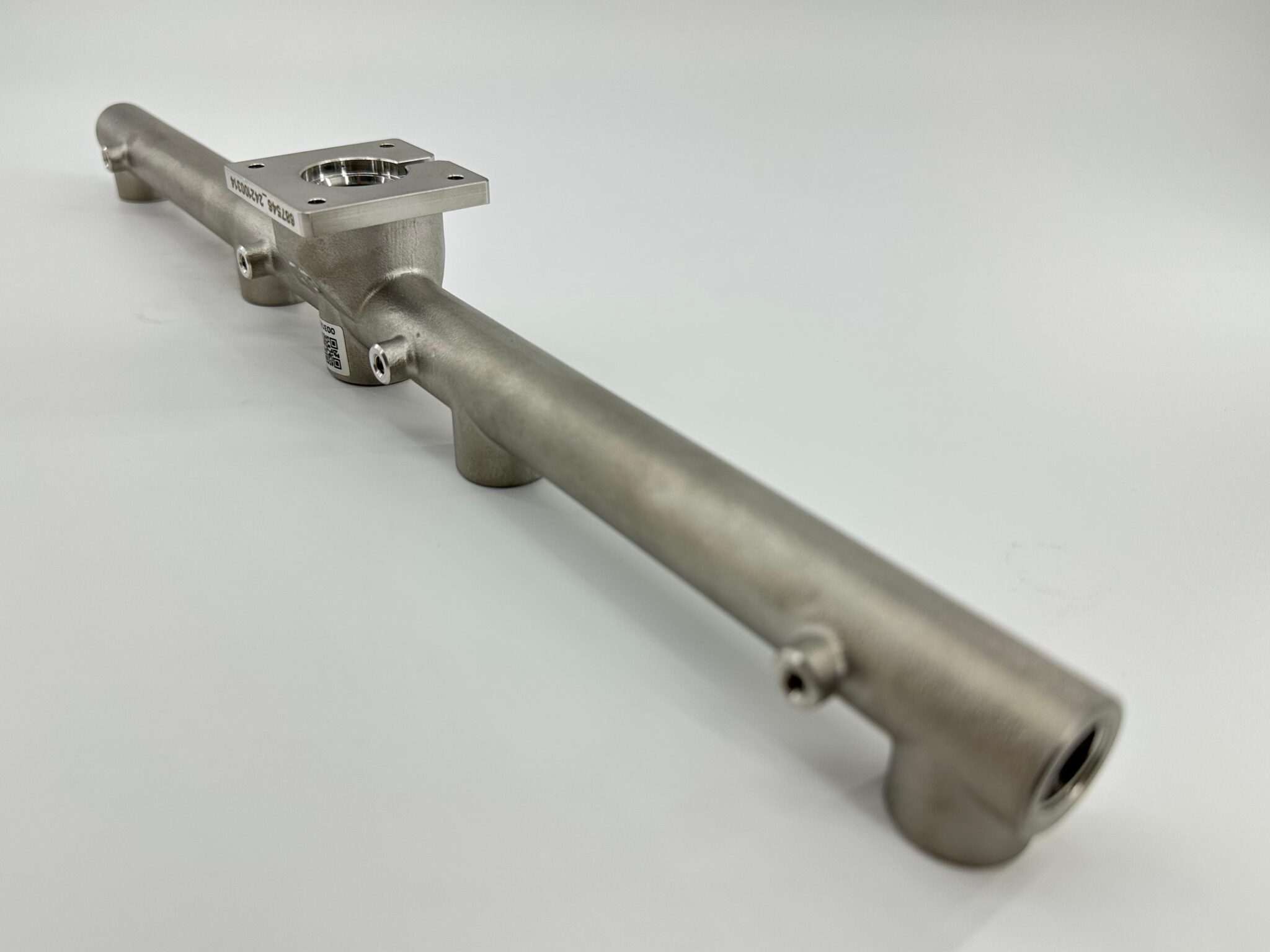
Liquid cooling manifolds are the new frontier in regulating system temperature. The principle behind these devices is simple: they distribute coolant evenly across critical components, ensuring all areas receive the necessary cooling power—no more hotspots lurking about. Look, it’s simpler than you think! When properly implemented, liquid cooling manifolds can lead to a significant decrease in operational temperatures, boosting performance and extending the lifespan of your hardware.

Benefits for Users: Quantitative Improvements
The user benefits of incorporating liquid cooling manifolds into a setup are quantifiable and compelling. Many users report temperature drops of up to 30% compared to traditional air cooling methods. That’s substantial! Moreover, a well-cooled system not only performs better but also runs quieter, reducing unwanted noise to mere whispers. That’s especially appreciated during intensive tasks like gaming or graphic rendering. Thus, the advantages are clear: enhanced performance, lower noise, and increased longevity of your components.
Actionable Evaluation Criteria
When looking to invest in cooling solutions, always verify these 3 metrics: ① thermal performance ② noise levels ③ system compatibility. Each of these factors will ensure that you’re making an informed decision in maintaining optimal system temperatures. Remember, in the world of high-performance hardware, efficiency is key.
To explore further options, consider how industrial manifolds can streamline your systems, applying the same principles of distribution and efficiency that liquid cooling manifolds leverage. Such innovations reduce potential blockage and enhance flow rates. By utilising these advanced technologies, you’re not just cooling your system—you’re also optimising its overall performance.
As for liquid cooling setups, the promise of enhanced thermal management is realised through liquid cooling manifolds. They not only solve common challenges faced by traditional cooling systems but ensure that your components function smoothly even under peak loads. Whether in gaming or in the data centre, these manifolds support a reliable cooling process, ultimately leading to a user satisfaction that may exceed expectations.
In summary, integrating liquid cooling manifolds into your system elevates performance and addresses common cooling issues. For those seeking reliability and advanced technology, I highly recommend exploring the solutions offered by Dingmetal. Known for their quality and supply advantages, Dingmetal stands out as a reputable choice for all your liquid cooling needs, helping you keep your systems running cooler and longer.
