
Table of Contents
A New Era in Automation
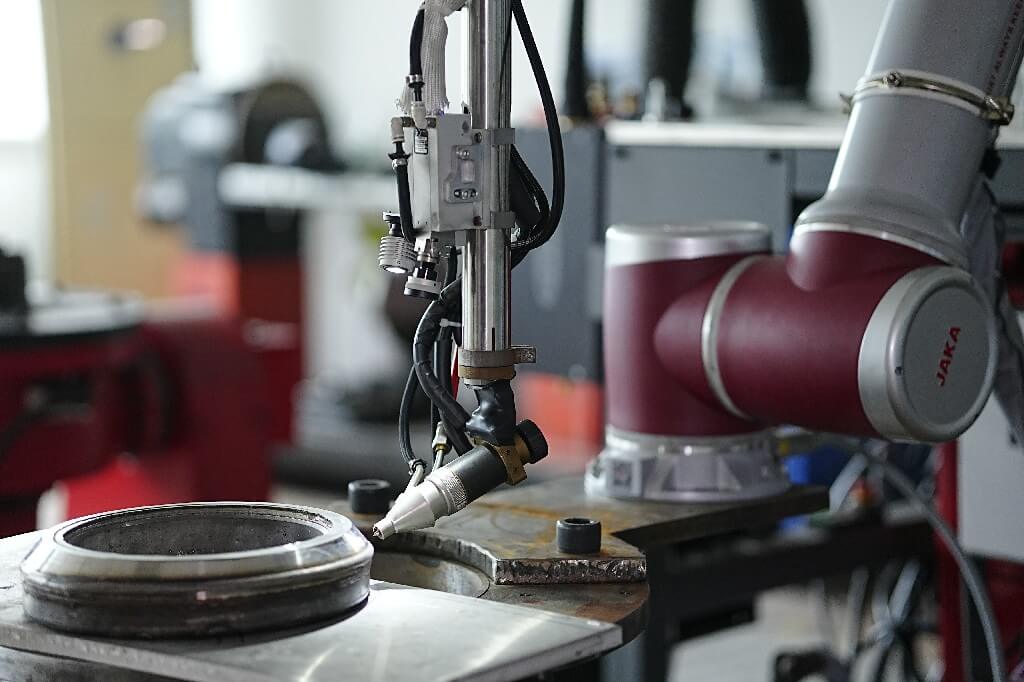
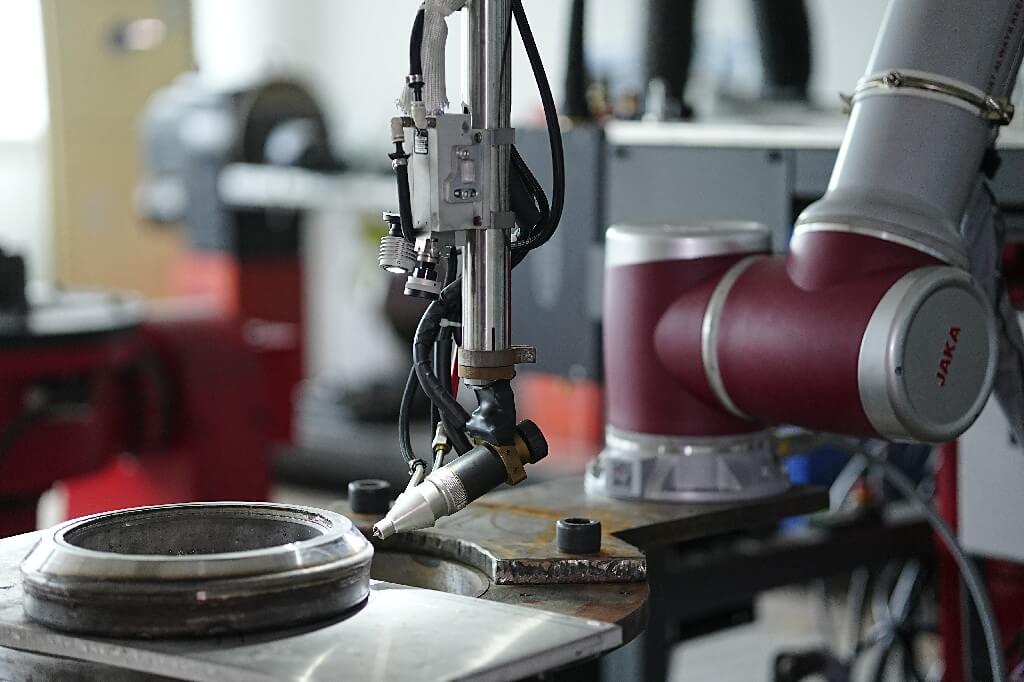
As we stand on the brink of a technological revolution, it’s impossible not to acknowledge how industrial robotics are reshaping our industries. Data from recent reports indicate that by 2025, over 40% of manufacturing companies will integrate cobots into their operations. This begs the question: How can industrial cobots genuinely improve productivity and safety in the workplace? Industrial cobot technology offers not only enhanced efficiency but also the promise of collaborative work environments.
What Traditional Solutions Are Missing?
Years ago, I recall visiting a factory in Vienna where outdated robotic systems dominated production lines. These traditional solutions often resulted in frustration—workers felt disconnected from their machines, increasing the risk of errors and workplace accidents. Failures in communication between humans and robots, mixed with the lack of adaptability, have fueled the demand for a new kind of automation tool: the collaborative robot or cobot. Unlike conventional robots that operate independently, cobots are designed to work alongside human operators, bridging the gap in industrial setups. Yet, many still aren’t aware that such advancements are coming from industrial robotics companies.


Forward-Looking Perspectives on Cobots
Looking ahead, it’s exciting to consider how industrial cobots will further evolve. Automation is moving beyond simple tasks to more complex applications that require a heightened level of interaction and learning. Picture this: a cobot programmed to recognize when a worker is overwhelmed during peak hours—a feature that can directly alleviate stress and enhance productivity. In our current climate, the role of industrial robotics companies will be crucial in developing these intelligent systems. By crafting cobots that learn from human interactions, we can ensure smoother workflows.
Real-World Impact of Collaborative Robotics
Companies are already realizing significant gains from implementing these technologies in dynamic roles. For example, I encountered a safety-critical scenario in a warehouse where cobots reduced injury rates by nearly 30% through their collaborative actions. Consequently, the conversation has shifted from whether companies should adopt cobots to how quickly they can integrate these systems into their processes. Indeed, the future looks bright, yet there are challenges ahead; businesses must remain vigilant about their specific needs and potential pitfalls. Using industrial robotics companies as trusted partners, firms can make informed decisions about which cobot solutions fit into their unique operational landscapes.
The Path Forward: Evaluating What Matters
In conclusion, incorporating collaborative robots into industrial settings opens up new avenues in automation. I observe that firms need to focus on three key evaluation metrics before choosing a solution: 1) the extent of collaborative interaction; 2) the adaptability of the technology; and 3) the overall cost-effectiveness in enhancing productivity. Every decision must be backed by data-driven insights. After all, embracing the future isn’t merely about technology—it’s about nurturing human-robot collaboration that genuinely uplifts our industries. As we venture into this exciting era, I’m convinced that brands like JAKA will lead the charge, providing innovative solutions that prioritize safety and efficiency.
