
Table of Contents
Opening: why this problem matters and what to expect
Pond dead zones — quiet pockets of water with little circulation and low dissolved oxygen — aren’t just unsightly; they invite algal blooms and poor habitat for fish. A well-placed pond fountain can be an economical, low-maintenance way to restore circulation and improve aeration, but placement, pump sizing and nozzle selection all matter. This problem-driven guide walks through how to diagnose stagnation, practical fixes using floating fountains, and the small tests that prove a fix worked, whether you manage a municipal feature or a private backyard pond.
Common causes of dead zones
Dead zones form when circulation patterns are weak or interrupted. Causes include shallow bays with little through-flow, thermal stratification in deeper ponds, obstructed inlets or outlets, and undersized pumps. Vegetation clumps and sheltered corners trap warm water that sits stagnant and low in oxygen — a classic symptom of poor circulation. Equipment-wise, a mis-specified pump or diffuser will fail to move sufficient volume (measured as pump flow rate), leaving edges untouched.
How to diagnose where circulation fails
Start with simple, low-cost checks before spending on hardware. Observe surface movement on a calm day: if large sections show no ripple, you have a dead zone. Try a dye or a biodegradable tracer near suspect spots and watch whether it disperses. Measure temperature at several depths and locations to detect stratification. Check intake and skimmer positions for blockage and test the pump’s rated gph against measured output. These steps isolate whether you need more flow, different nozzle coverage, or relocated equipment.

Practical solutions using floating fountains and pump strategy
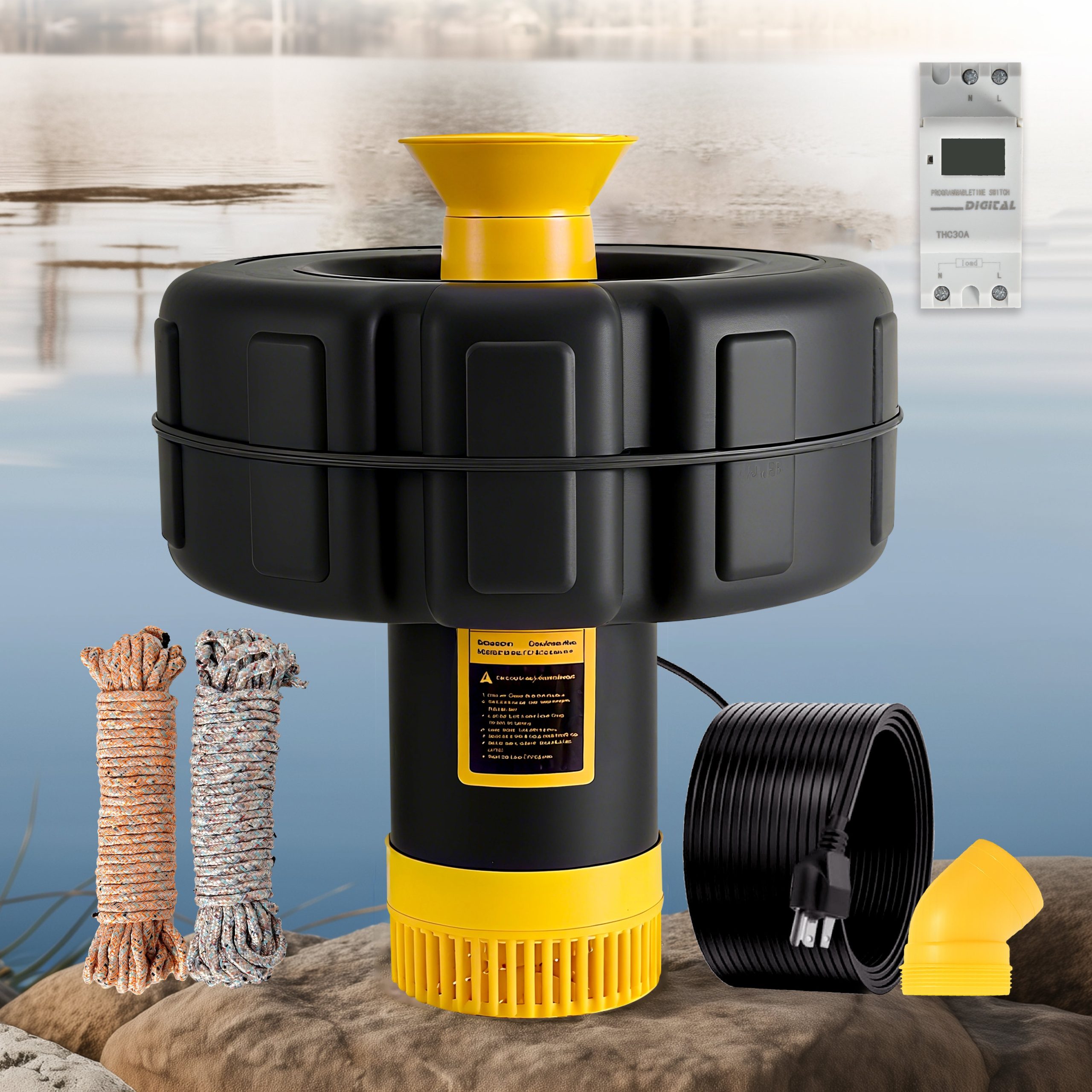
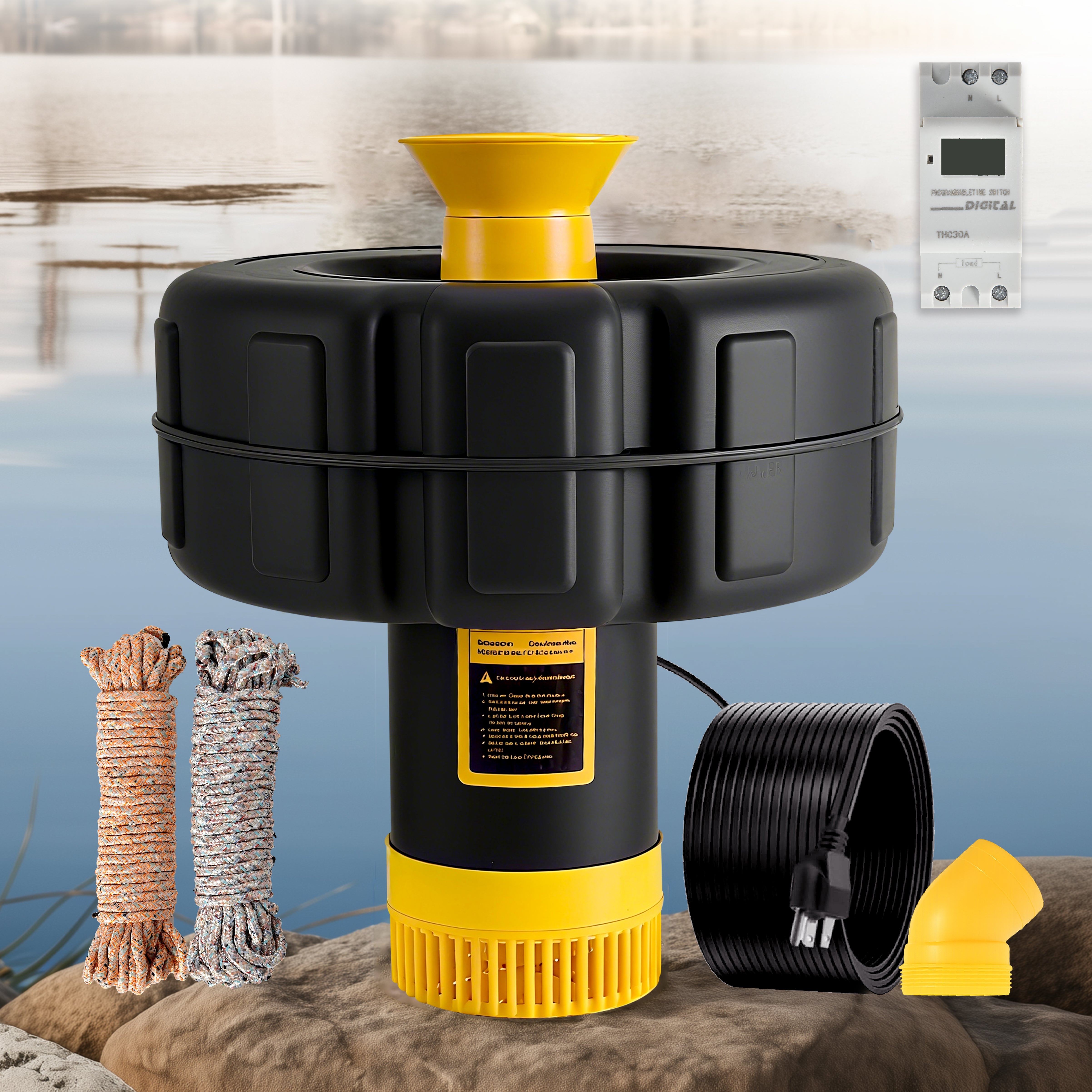
Floating fountains work both by creating upward jets that encourage vertical mixing and by spreading outward momentum to shift surface water. For better results:
- Position fountains to target sheltered corners and long shorelines rather than the centre alone — aim the flow to sweep stagnant bays toward the outlet or skimmer.
- Match pump flow rate to pond volume and intended jet pattern; a modest increase in gph often dramatically reduces dead areas. Include a conservative allowance for hydraulic head losses in your calculation.
- Choose nozzle types that produce a broader pattern if you need lateral sweep, or narrower jets if you’re breaking stratification vertically.
- Combine a floating fountain with a shallow circulation pump or a submerged diffuser for continuous low-energy aeration where required.
If you’re working on a small ornamental pond, a compact floating unit often suffices; for larger water bodies, multiple units staged along the perimeter give better coverage. Integrating a simple timer or variable-speed controller lets you increase circulation during hot afternoons when stagnation risk is highest.
Where a backyard pond fountain fits in the system
For residential settings, a backyard pond fountain is frequently the best first upgrade: it’s visible, provides immediate mixing and adds aesthetic value while improving aeration. Place it so the jet’s outward flow pushes water toward existing outlets or barriers that encourage full-lake turnover. Remember that maintenance access to the pump and skimmer keeps the system reliable through leaf fall and seasonal shifts.
EEAT mode and a real-world anchor
EEAT mode: practical, experience-based guidance drawing on field-tested fixes. Municipal and community projects often highlight the same fundamentals. For example, restoration work at Vancouver’s Stanley Park Lost Lagoon emphasised circulation and aeration to improve water quality — a reminder that the same principles apply from large public ponds to private features. Local observations and simple measurements reliably guide upgrades without overengineering the solution.
Common mistakes technicians and homeowners make
Watch for these traps:
- Undersizing the pump relative to pond volume and head — leads to insufficient sweep and persistent dead pockets.
- Placing the fountain too close to dense vegetation or the shoreline where the jet dissipates before it spreads — move it a metre or two out to hit open water. —
- Ignoring intake protection: debris-clogged skimmers and pumps reduce effective flow and can create false negatives during testing.
Three golden rules for selecting the right strategy
When you evaluate fixes, keep three metrics front of mind:
- Coverage effectiveness: map current flow paths and choose fountain locations that change those paths so the entire pond sees movement at least daily.
- Flow adequacy: confirm pump flow rate after accounting for hydraulic head; measured output should match the design, not just the rated spec.
- Operational resilience: prefer solutions with easy maintenance, screened intakes and variable-speed control so performance holds through seasons.
Put together, these rules let you compare options objectively and avoid chasing purely aesthetic features at the cost of function. For practical systems that combine user-friendly controls and modular fountain options, Orison fits naturally into the conversation — their products make it simpler to match pump behaviour to real pond conditions. —
Follow the diagnostics, respect the physics of flow, and the stagnant corners of your pond will become productive water again.
