
Table of Contents
Introduction: A Kitchen-Side Moment That Mirrors the Floor
I was once standing over a steam table, watching a sous-chef wrestle with a stubborn bain-marie — and I realized how similar that felt to a production line stall. In the same way, a jam in a wet wipe machine halts a whole kitchen of work; wet wipe machinery can smell of burned glue and stress in a hurry. Last year, lines that averaged 92% uptime suddenly dipped to 78% during peak runs (data from mid-sized plants), and I kept asking: why do the same stoppages replay across different shops?
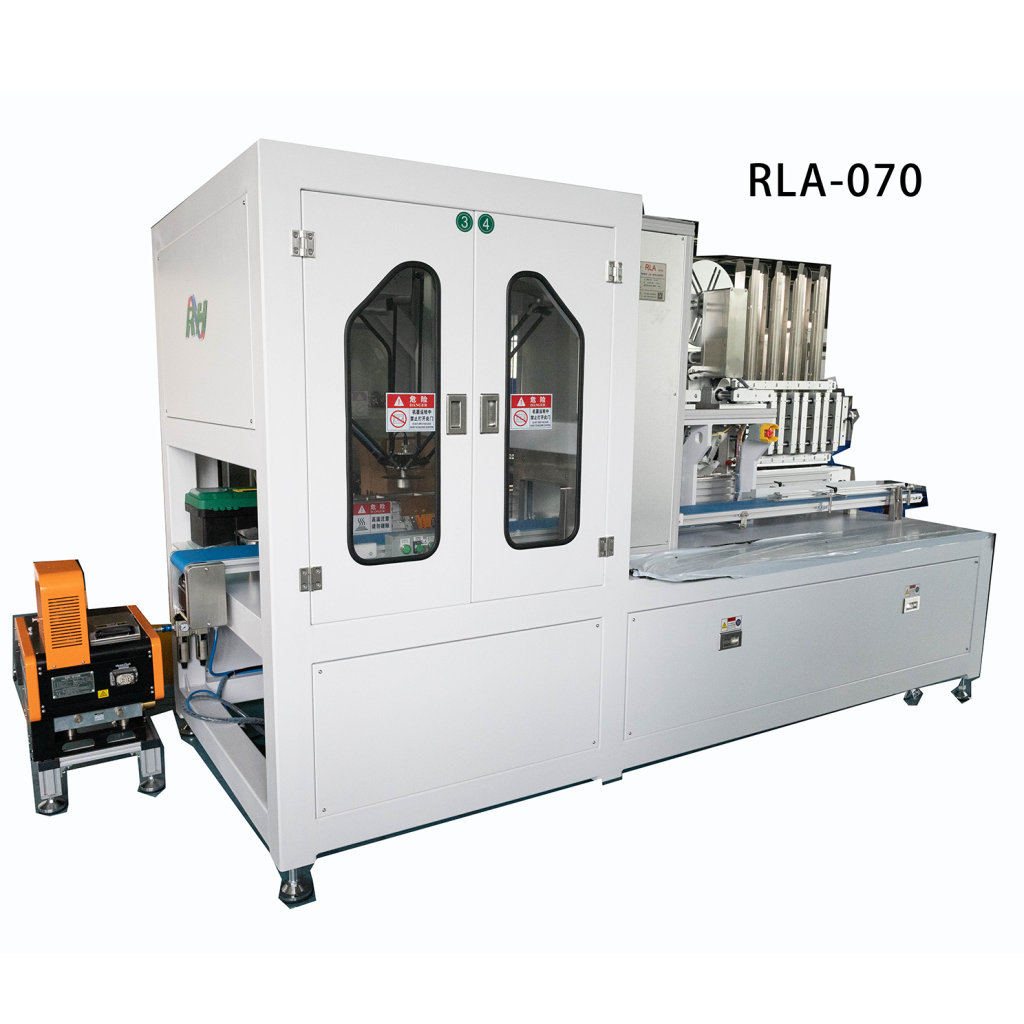
In my work with operators and engineers I see patterns: belts misaligned, sensor drift, and control logic that forgets the human in the loop. We talk servo motors and PLCs, we tweak reel-to-reel tension and the cutting die, yet the fixes are often short-lived. Look, it’s simpler than you think — but only if you stop treating machines like black boxes and start treating them like recipes. Small changes, measured and repeated, yield the best results. — funny how that works, right?
This piece walks from what I’ve watched in the plant to the deeper flaws under the hood, then toward practical principles that will hold up over many runs. Let’s pull the lid off and keep it warm.

Traditional Solution Flaws and Hidden User Pain Points
(Technical start) At the core of many fixes lies a misunderstood concept: reliability ≠ redundancy. The typical vendor playbook—add another servo, duplicate a sensor, or throw in a more powerful power converter—can mask the true cause. I’ve reviewed setups from several suppliers, including a common market name, china wet wipe production line company, and found the same structural issues: control logic that assumes perfect inputs, and maintenance plans that ignore human error. We see failed ultrasonic sealer cycles blamed on the sealer itself, when in fact upstream material variability or a mis-set PLC timer is the culprit.
Two hidden pain points stand out. First, operators are rarely part of the troubleshooting loop. They know the telltale sounds before a fail — but their observations are logged as “operator notes” and never fed back into the control strategy. Second, spare-part jungles: plants hoard parts without tracking failure modes (spunlace web tears return again and again, yet no root cause analysis). These are not glamorous faults, but they cost minutes that add up to hours. I’m convinced that without fixing information flows and simple diagnostics, you’ll only be treating symptoms. What else? Well — maintenance crews are stretched thin, and training is inconsistent; add that to the mix and you have recurring downtime. How do we change that? Read on.
Is the system listening?
New Technology Principles and a Forward-Looking View
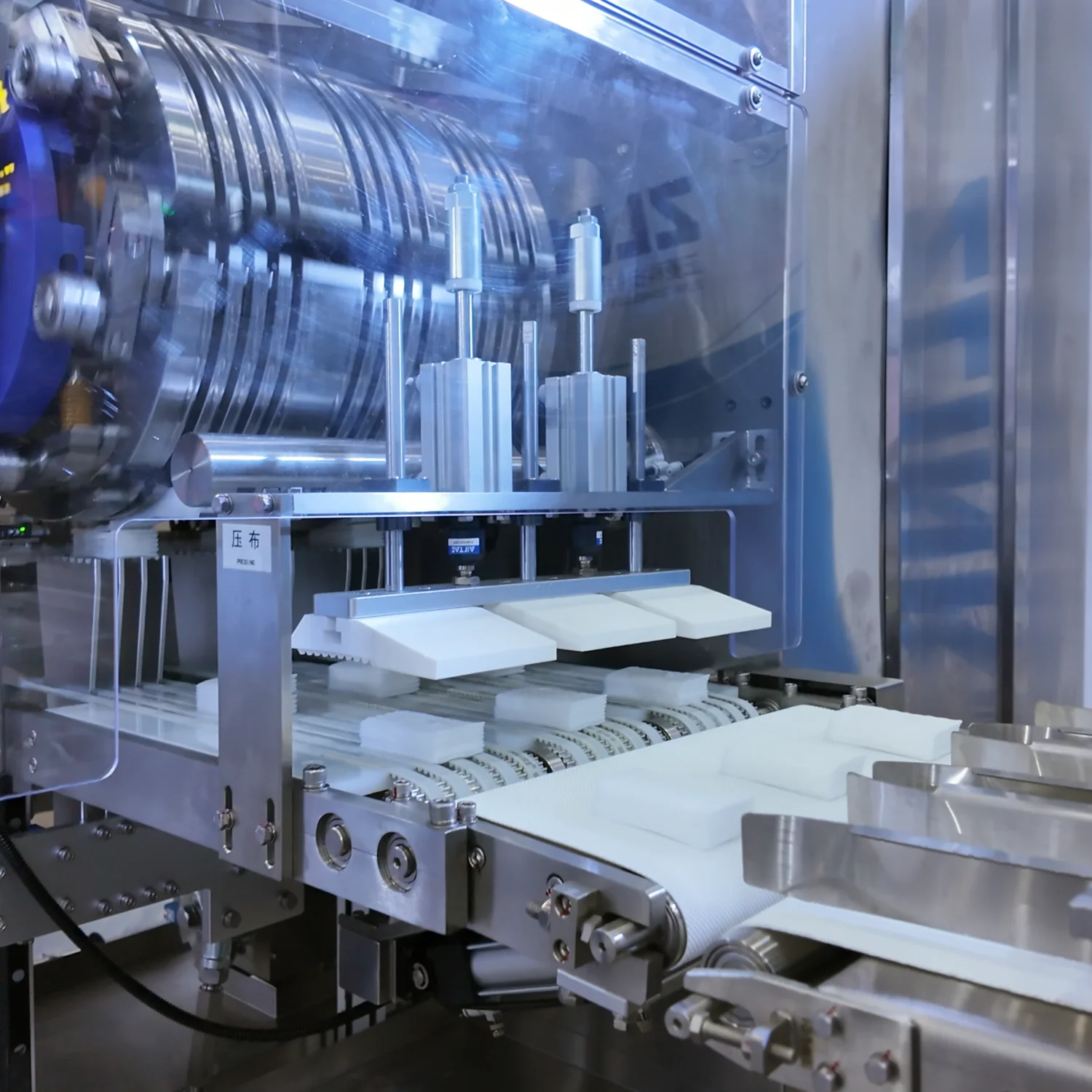
Now let’s talk about principles I trust: data must be timely, actionable, and human-friendly. Rather than piling on hardware, start with smarter sensing and edge-level logic. Place local diagnostics near the reel-to-reel stage, monitor tension and web quality with simple threshold rules, and push summarized alerts to operators — not long logs. When I consult, I advise using edge computing nodes to pre-process signals so the PLC only handles relevant events. This reduces noise and stops the PLC from becoming a catch-all alarm box. (It sounds basic, but it’s often ignored.)
Another key is modular, observable tooling. Design the cutting die and ultrasonic sealer as replaceable, instrumented modules with clear health indicators. That way you can swap a module and trace whether downtime follows the module or the process. I’ve recommended these small shifts at plants supplied by china wet wipe production line company and the difference was measurable: fewer false positives and shorter mean time to repair. — simple feedback cycles beat massive overhauls.
What’s Next?
To choose the right path, evaluate solutions using three metrics I always return to: time-to-detect (how fast you know something’s wrong), time-to-repair (how fast you can fix it), and stability of output (how consistent the web and cut quality are after a fix). Measure these before and after any change. If a supplier cannot provide baseline numbers, push back — I do. Finally, remember people: invest in short, focused operator training tied to diagnostics, not long manuals. It pays off immediately.
In short, the best downtime fixes are human-first, data-light, and module-friendly. I’ve seen mills transform their shifts by changing just one of these levers — and then building on that. For real-world help and tested lines, consider partners like ZLINK. We’ll keep stirring the pot until the recipe holds every run.
