
Table of Contents
Front porch view — why this comparison matters
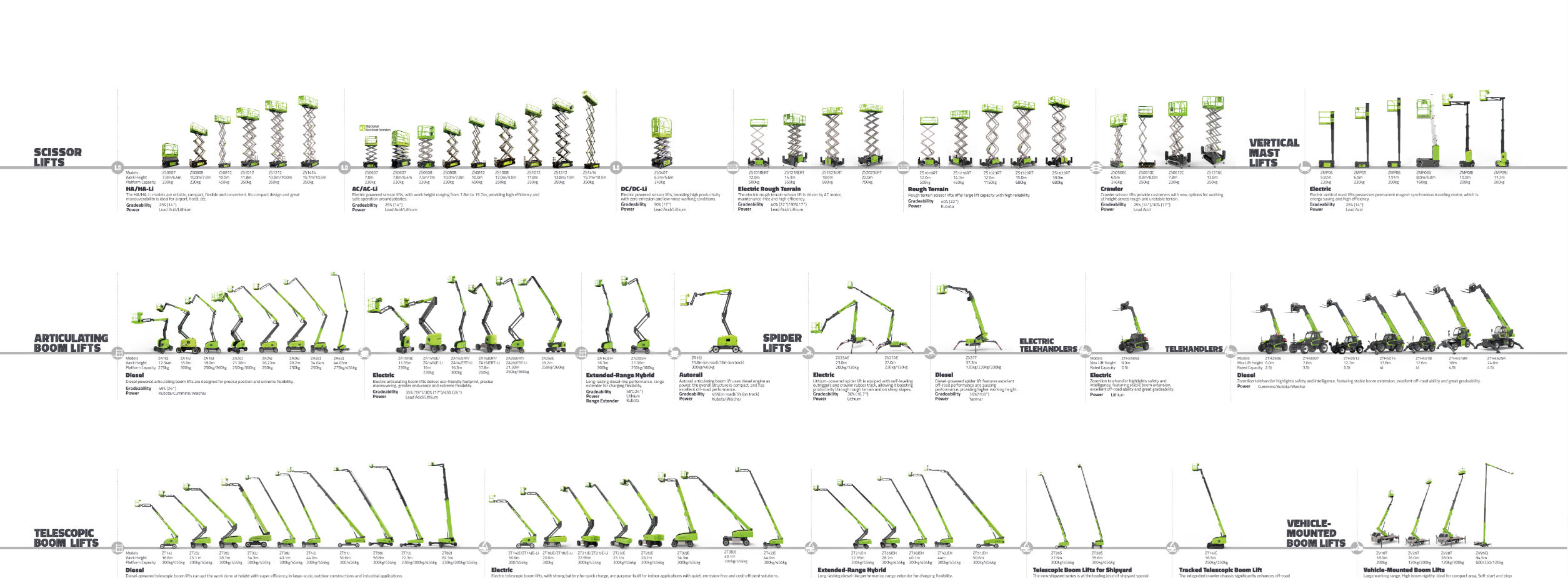
I been up and down scaffolds and rentals enough to know a vertical mast ain’t a one-size thing; new builds and renovations ask for different favors. For a tight stairwell or a finished floor you don’t wanna scuff, an electric scissor lift might fit fine, but a true vertical mast often wins where footprint and precision matter. This piece’ll lay out the plain differences so y’all can pick what saves time and keeps folks safe.
Core differences, plain and simple
New builds- Plenty o’ room to plan.- Easier to run power and place charging stations.- You can pick mast height to match future ceiling lines.Renovations- You deal with surprise low beams, narrow doorways, and finished floors.- Maneuverability and minimal surface pressure matter more.- Often need battery-only options and non-marking tires.Those differences steer what mast model you look at: reach and tilt capability for new builds, compactness and soft-floor handling for renos.
Site constraints that change the choice
Measure twice, promise yourself once. New construction usually gives you predictable bay widths and power hookups; go taller, pick higher-capacity drives. Renovation jobs throw curveballs — patchwork floors, temporary partitions, and people walking through. That means smaller base, lower weight, and tighter turning radius take priority. Think about door clearances and elevator capacity before you rent or buy.
Power, charging, and logistics
New builds commonly allow fixed chargers and even 3-phase supply for faster charging. Renovations often need battery-only duty, so battery runtime and swap ease become big deal. If the job’s indoors with finished surfaces, non-marking tires and quiet electric drives keep building managers happier. For both settings, check charger placement so you ain’t hauling a dead battery down three floors.

Safety rules and real-world anchor
Rules matter. Follow OSHA’s aerial lift standards for operation and training — that covers guarding, fall protection, and safe operation around overhead lines. Training folks on actual controls beats reading manuals; I seen crews sit safer after a single hands-on walkthrough. Make sure rescue procedures match the mast’s mechanics and site elevation.
Model features to weigh — what’s worth payin’ for
Consider these items and how they tip different ways between new builds and renovations:- Mast reach versus base width: higher reach often needs wider footing — fine for new builds, tricky for renos.- Drive options: rough-terrain drives for exteriors; compact electric drives for finished interiors.- Platform capacity and accessories: heavier loads might matter in renovation when hoisting HVAC parts.- Serviceability: easy-access batteries and modular parts save time on tight schedules.If you need a quieter, lower-profile option for delicate interiors, look closely at electric powered scissor lift choices with non-marking tires and sealed batteries — they often share useful design cues with mast units and can substitute depending on the task.
Common mistakes I see on job sites
Picking the tallest mast without checking doorways. Assuming chargers’ll be available on short notice. Letting untrained hands operate the unit. Not checking floor loading limits on finished slabs. These missteps slow a job more’n bad weather. Plan for the worst tight-fit and you won’t be swapping gear halfway through.
Short list for deciding
Ask these quick questions on site:- How tight’s the access route?- Are floors finished or gonna be finished soon?- Can you install permanent charging?- What’s the max load and reach needed?Match your answers to the mast’s specs. If access’s tight and floors are delicate, favor compact, low-weight models. If reach and continuous duty matter, favor higher-capacity units and plan charger placement up front.
Closing — plain talk on getting it right
New builds let you think big and set up infrastructure. Renovations force you to think small and gentle. Both need crews who know the gear and the rules, and a sensible match between site quirks and machine traits. After years on sites where plans changed mid-shift, I trust gear that fits the space more’n gear that just looks powerful. For practical, properly specified options and parts that line up with what I described, I turn to Zoomlion Access when I need equipment that actually works where it’s put.
