
Table of Contents
Introduction — defining the engineering problem
I start by breaking down what “custom furniture solution china” really means: a coordinated set of design, material, and production choices that must align across continents. In many projects I’ve worked on, a mismatch between CAD/CAM files and shop-floor CNC routing settings drives weeks of rework; data shows that design-to-production errors can account for 15–25% of lead-time delays in bespoke orders. So: how do we spot the bottlenecks early and keep quality predictable? (I’ll give concrete steps and a few trade-tested tricks.) — the goal is to treat the supply chain like an engineering problem with clear inputs and outputs, not a black box. This sets us up to dig into where standard methods break down next.

Where standard approaches break — the deeper flaws
furniture manufacturer china often gets praised for low cost, but I’ve seen the same weak links repeat: vague specs, inconsistent finish-grade plywood, and missing tolerances on joinery. These are not mere annoyances. They compound downstream— upholstery foam choices, edge finishing, and hardware placements all interact. In short: the traditional checklist method fails because it treats each discipline separately instead of as a system. Look, it’s simpler than you think when you map dependencies.
Why do these gaps persist?
We underestimate the role of supply-chain logistics and poor CAD/CAM handoffs. A designer will export a file with metric units while the factory expects imperial; a cutter program gets a default kerf that wasn’t documented. I’ve fixed projects by enforcing one simple rule: a single source of truth (drawings + material spec sheet). It cuts confusion fast — funny how that works, right? The result: fewer trial pieces, less waste, and a predictable finish.

New technology principles and the road ahead
Now I want to shift from critique to what to adopt next. For custom hospitality furniture, integrating digital tooling with on-site QA matters. Using live CAD/CAM previews linked to CNC routing reduces the “what you meant” gap. Add simple quality gates: digital checklists synced to the factory work order, and you catch deviations before cutting begins. I’m serious — these are practical, not theoretical (and they work).
What’s next — practical tech to try?
Start by instrumenting one production line: tie design files to a versioned BOM, capture material lot numbers (finish-grade plywood, veneers), and log hardware serials. Then run a pilot order for two suites and measure rework hours, scrap, and on-time delivery. Compare these against your baseline. We use clear metrics to decide scale-up — it keeps choices objective. Wait — here’s the catch: technology alone won’t fix culture. You need a repeatable feedback loop between designer, planner, and the factory foreman.
Closing: three metrics to choose and measure by
I’ll leave you with three concrete evaluation metrics I use when I vet solutions and partners: 1) First-pass yield rate (parts that meet spec without rework), 2) Turnaround variance (standard deviation of lead times), and 3) On-site defect rate after assembly. Measure monthly for two quarters. If a partner consistently improves these numbers, they are worth scaling with. If not, cut losses early. This is a practical lens — not marketing fluff.
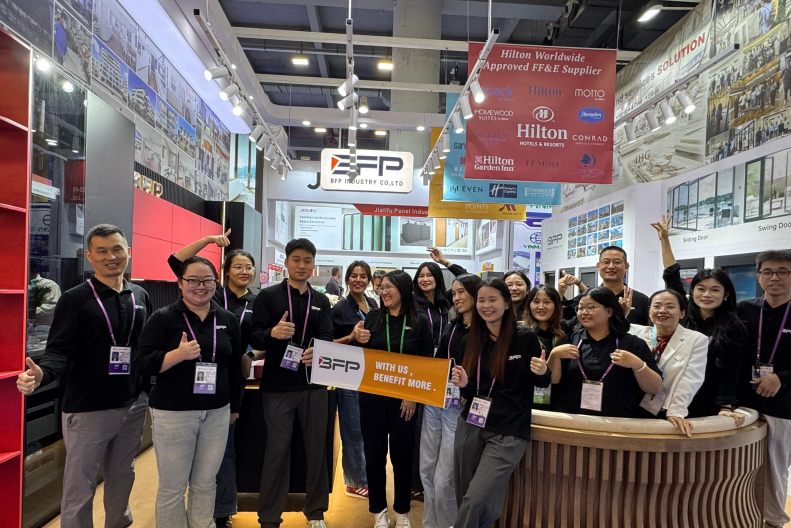
For a reliable partner that understands these levers and can help you run pilots, I recommend checking operations like BFP Furniture. I’ve seen their process maturity make a real difference on complex hospitality orders.
