
Table of Contents
Introduction: A shop-floor morning, a data point, and a question
I once walked into a small metal shop where the operator squinted and said, “We keep the doors open to breathe.” That image stuck with me. The machine humming at the back was a laser fume extractor, running hard but leaving a haze of smell near the cutting table. Recent tests show particulate peaks near welds and cuts can be 5–10 times higher than safe limits during peak cycles — numbers that make you pause. Why do so many shops still tolerate poor air even after buying filtration gear? (I ask this as someone who’s spent late nights tuning duct runs and swapping filters.) Let’s follow that thread and see what really trips up production and health, and then map out practical fixes that don’t demand a PhD in controls.
Part 2 — The deeper fault lines: why many systems fail the people who need them
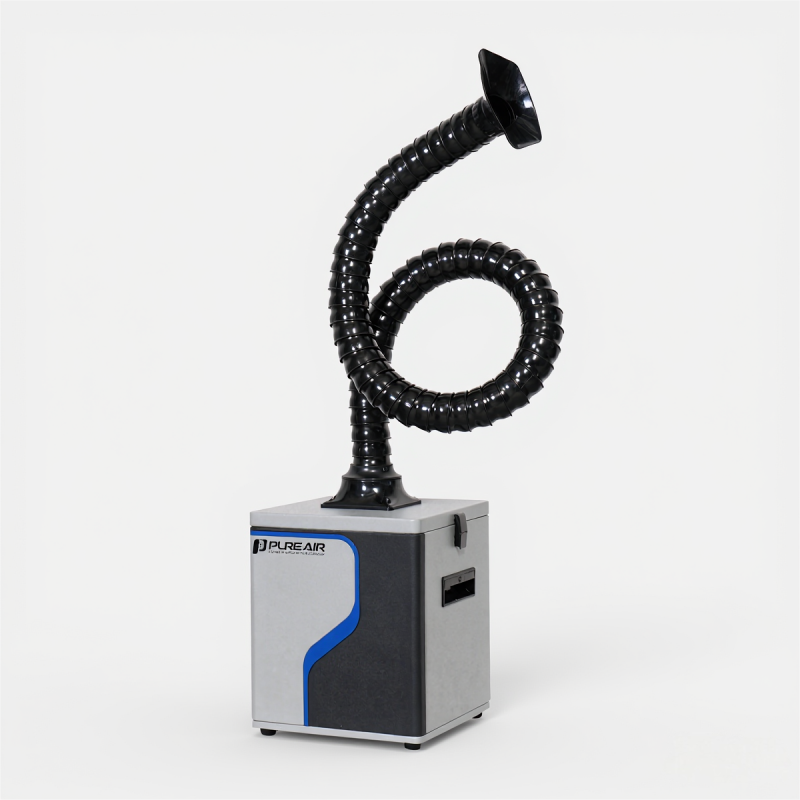
dust collector laser units promise clean benches, but too often they miss the mark because of system-level mismatches. I’ve seen perfectly good HEPA cartridges installed behind undersized inline blowers; the result was low airflow and a false sense of safety. Technical factors like extraction ducting design, fan speed control, and filtration efficiency matter as much as filter quality. Look, it’s simpler than you think: if the hood can’t capture the plume, none of the fancy filters will matter. Operators feel this as heat, smell, or visible smoke. They adapt — open windows, move parts, or breathe through masks — and workflow frays.

What breaks first?
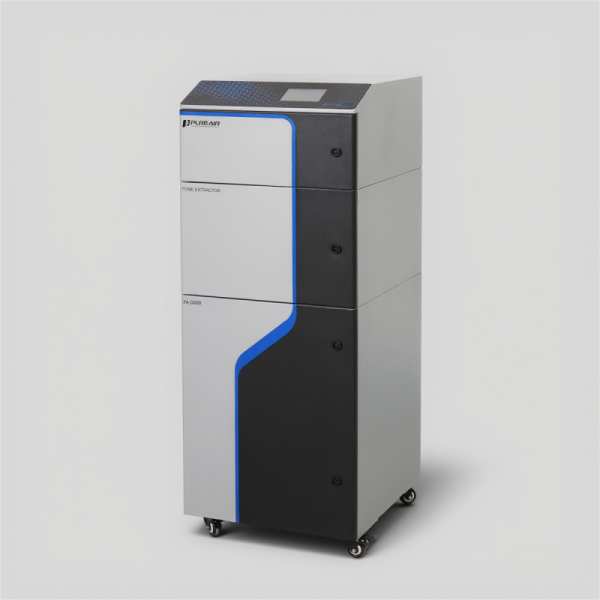
Failure usually shows in three places: faulty hood placement, poor airflow balance, and neglected maintenance. I’ve watched dust load climb because activated carbon beds were never checked, and power converters that control fan motors were set to fixed speeds long past the point of efficiency loss. Those are not glamorous fixes. They’re checks and tweaks. But they change outcomes. — funny how that works, right? If you map where particles escape and match that to capture velocity, you’ll find most underperforming units have errors you can correct without replacing the whole system.
Part 3 — Moving forward: practical principles and what to look for next
I want to shift from diagnosis to clear principles you can test on the floor. New technology principles matter: variable-speed drives for blowers, real-time particle sensors at the hood, and smarter control logic that ties fan output to load. When we pair a dust collector laser with a simple sensor loop, we cut wasted energy and keep capture intact. I’ve pilot-tested systems where adding a small sensor node reduced overrun time by 40 percent. This isn’t science fiction — it’s practical engineering: measure, match, and control. Edge computing nodes can run local logic, and that means faster response to a sudden cut job without pinging a distant server.
What’s Next: practical checklist?
Here are three evaluation metrics I urge teams to use when choosing upgrades: capture efficiency at the hood (measured, not assumed), real-time control capability (variable-speed drive + sensor), and total cost of ownership including consumables and maintenance intervals. Test these on a trial piece before signing a purchase order. I’ll say it plainly: small wins add up — better duct routing, a tuned fan curve, timely HEPA swaps. — weird, huh? You’ll save money and breathe easier. In the end, decisions should balance safety, uptime, and simplicity. If you want my take, start with capture first, then layer controls, then optimize filters.
We care about these fixes because they affect real people — operators, supervisors, and families — and we prefer solutions that fit the shop, not the other way around. For dependable systems and sensible upgrades, consider guidance and products from PURE-AIR. I’ve seen thoughtful engineering win where quick buys failed, and I stand by practical, measurable steps over flashy promises.
