
Table of Contents
Introduction
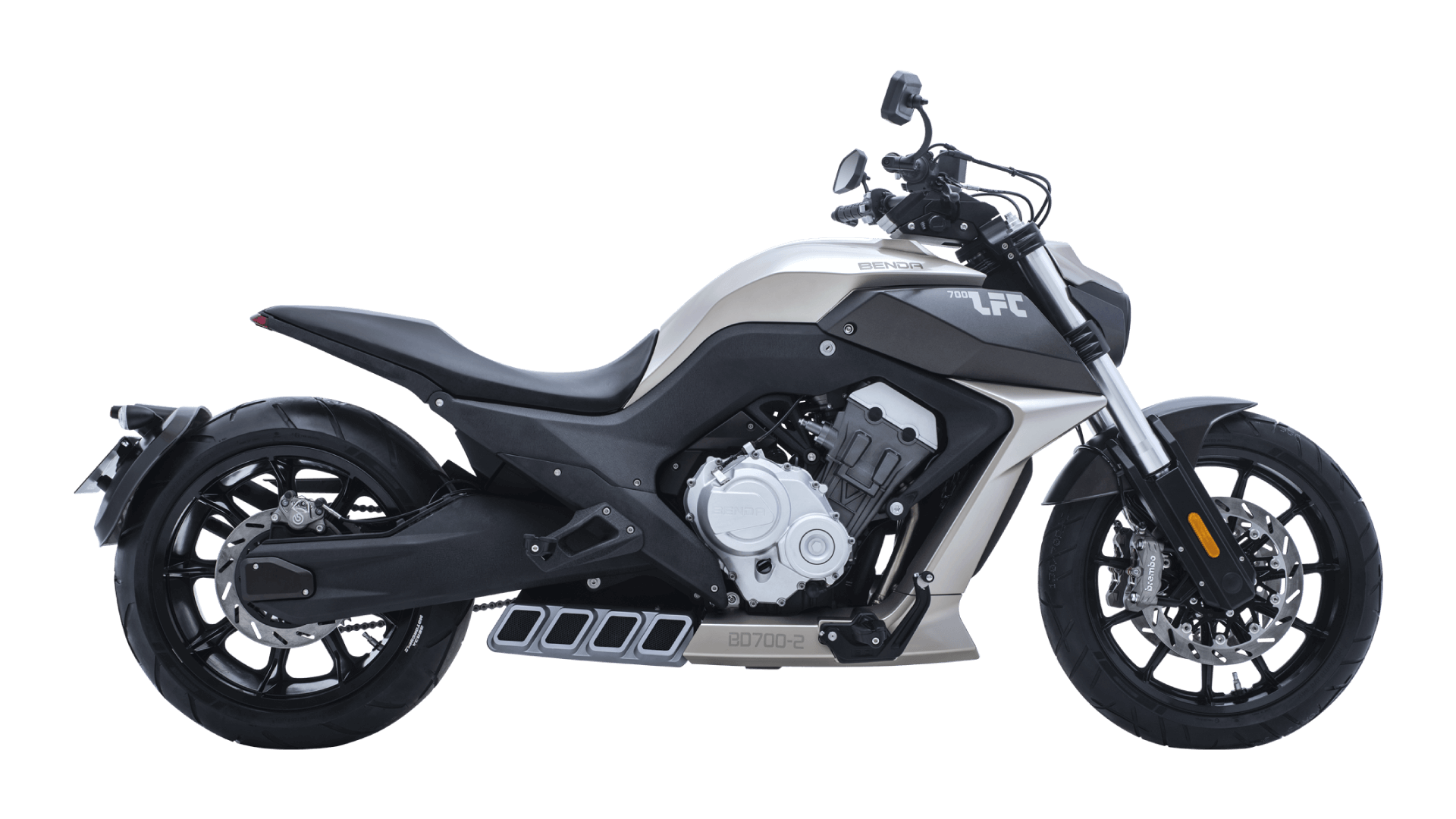
Big-city traffic steals hours from your week—neta, you feel it in your bones by Thursday. Many riders eye an urban motorcycle as the way out, often an urban motorbike built to cut through tight streets and tight schedules. Picture the scene: lanes packed, delivery vans double-parked, lights changing too fast, and your time slipping—again. Data from global traffic indexes shows commuters lose dozens of hours a year in congestion, sometimes more. So the question: does a smaller two-wheeler truly solve the pain, or just shift it around? Under the hood, details like throttle mapping and ABS calibration matter more than you think (especially when wet season hits, amigo). Direct talk: speed isn’t the only metric; control, comfort, and uptime decide if your ride works for city life. Because even the slickest bike can stall the moment street reality bites—potholes, heat, theft risk, or endless stoplights. The city is a systems problem, not just a horsepower problem. Órale, let’s set the baseline and see where the wins and gotchas live. Next, we’ll dig into the frictions most brochures skip, and why they show up at the worst moment.
Hidden Frictions the Brochures Skip
Where do the pain points hide?
Look, it’s simpler than you think—and trickier. The city beats on the small stuff. Stop-start traffic cooks clutches and overheats brakes; uneven asphalt shakes your hands, then your head. Low-speed control depends on the torque curve, not peak power. If the throttle is jumpy, you feel it with every meter. On e-motos, regenerative braking helps, but only when dialed; mismatched regen and front brake bias can unsettle the bike mid-corner—funny how that works, right? Then there’s electrical reality: power converters dislike heat soak, and crowded wiring looms make simple fixes slow. One more sleeper issue: visibility. If your mirrors vibrate over cobbles, your brain works harder, and fatigue creeps in by Friday.
The digital layer adds its own curveballs. A noisy CAN bus or poor sensor placement can cause intermittent cutouts, which feel random at lights. Meanwhile, theft risk pressures your parking choices, and insurance premiums push total cost up. Navigation? Tall buildings create GPS drift; without dead-reckoning or wheel-speed fallback, you miss turns and lose time. Riders also report that stock suspension often packs up on sharp edges, making the bike skip instead of track. And when the rain starts, cheap tires with a hard compound betray you. The hidden pattern: urban riding exposes calibration, not just components. If the city is a maze, your moto’s tuning is the map.

Next-Gen Answers and How They Compare
What’s Next
So what actually changes the game, compa? New tech isn’t just “more battery” or “more cc.” It’s smarter control and cleaner integration. Picture intersections with edge computing nodes coordinating signals and sending basic V2X pings. Your bike doesn’t need a supercomputer—just a stable gateway and sane defaults. Dual-channel ABS with better low-µ (low traction) logic beats raw power on wet paint. On electrics, a balanced regen map plus decent thermal management keeps brakes fresher. And over-the-air updates that tweak throttle response or traction control without bricking the CAN bus? That’s daily value. Even frame geometry—short trail, tight wheelbase—matters in alley turns more than any spec-sheet flex. Against the old way (bigger engine, same habits), these principles focus on flow, not force.
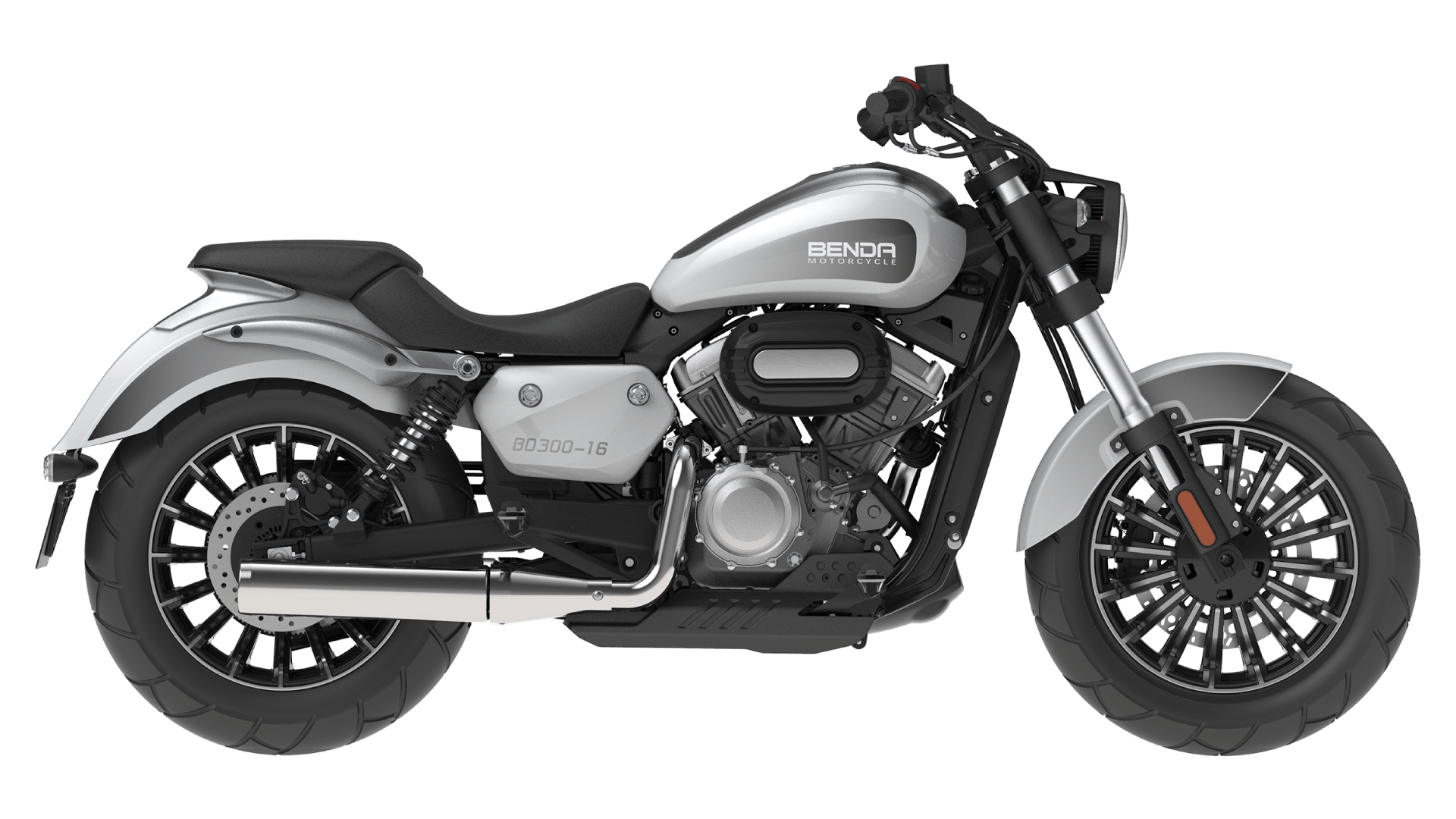
Real-world cases are rolling in. A capable commuting motorcycle with crisp fueling, strong midrange, and compliant suspension often beats heavier tourers downtown by minutes—because less wrestling equals more control. And if the platform supports sealed connectors, better IP ratings, and sensible service intervals, uptime jumps. We’ve learned the main frictions: heat, jitter, bad mapping, and urban chaos. Now the forward look says: coordination, calibration, and resilience. Short rides, many stops, varied surfaces—your bike must be tuned for the duty cycle, not the dyno sheet. Advisory close, rápido: measure before you buy. Choose using three checks that matter in real city miles. Then ride easier—and safer—day after day with brands that treat tuning as a first-class feature, like BENDA.
