
Table of Contents
Revolutionizing Automation
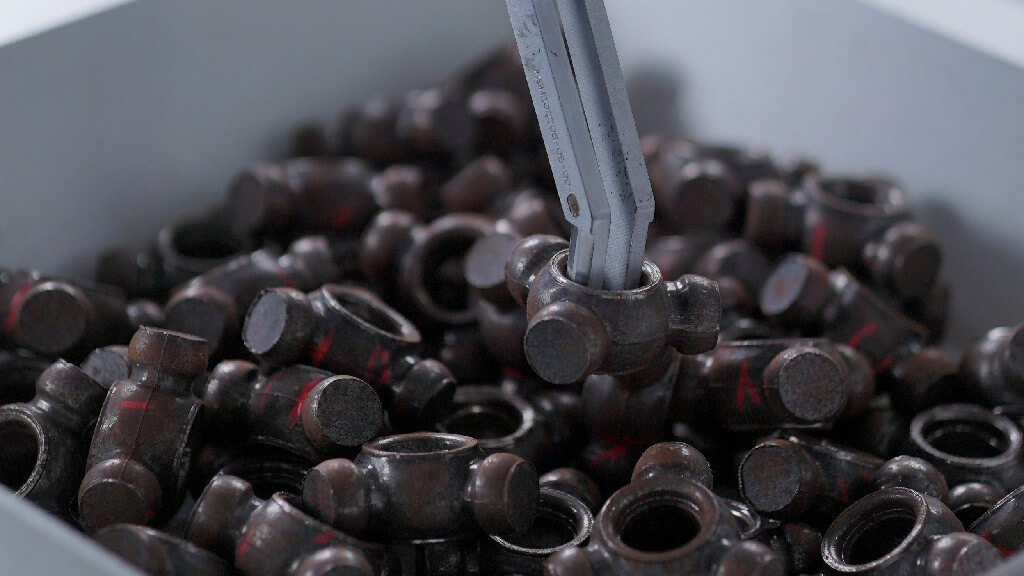
Imagine a bustling factory floor where precision meets speed. You’re surrounded by skilled workers and machines, working in harmony. Yet, statistics reveal that up to 70% of manual tasks can be automated. That’s precisely where mini robot arms come into play. These agile devices, often categorized among small industrial robots, offer an efficient solution to traditional labor-intensive processes. Have you ever wondered how they stand up against human-operated tasks?
Pain Points in Traditional Solutions
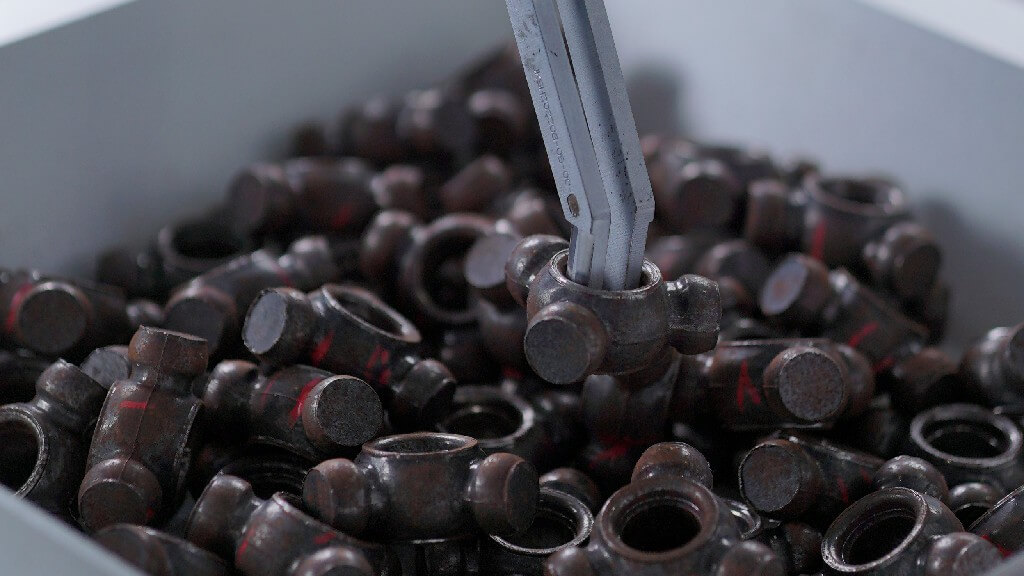
The conventional methods of production often lead to bottlenecks and inconsistent output. I clearly remember a project back in 2018, where we relied heavily on manual assembly lines, which caused significant delays. Mini robot arms alleviate these time-consuming processes, providing not only speed but also enhanced accuracy — a game-changer for manufacturers. They can work tirelessly without the fatigue that comes with human labor. So, why aren’t more companies adopting them?
What Makes Mini Robot Arms Essential?
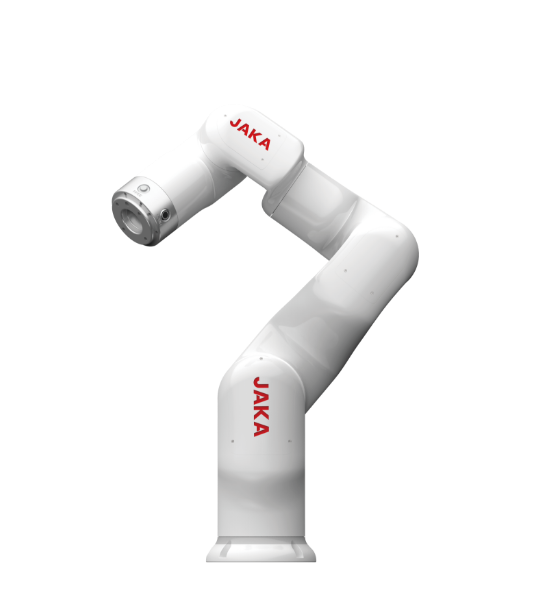
It’s the flexibility that truly sets these small industrial robots apart. Unlike their bulky counterparts, mini robot arms are designed to fit in tighter spaces, enabling operations in previously inaccessible areas. A good example is their use in electronics assembly plants, where precision is vital. This unique versatility becomes crucial as production demands shift and evolve, making mini robot arms a valuable asset for the future.

Looking Ahead: The Future of Robotics in Industry
As industries continue to embrace automation, the role of mini robot arms is poised to expand. The demand for quality and consistency will only grow, making efficiency more important than ever. I believe these small industrial robots will not just assist but will lead in many areas—from automotive assembly lines to medical applications. The integration of AI and advanced programming is accelerating their capabilities, making them smarter and more productive. What’s on the horizon?
Real-world Impact on Manufacturing
In a recent trip to a manufacturing facility in Michigan, I witnessed firsthand the transformative power of these robots. Production increased by 30% within three months of integrating mini robot arms. Efficiency is a powerful metric; it reshapes how we think about labor and productivity.
Ultimately, embracing technologies like mini robot arms represents not just an operational shift but a paradigm change in how industries can operate effectively and sustainably. The once manual processes are becoming automated, ensuring accuracy and boosted productivity.
Key Takeaways for Future Consideration
From what I’ve observed, companies looking to adopt mini robot arms should evaluate based on three key metrics: adaptability to various tasks, ease of integration with existing systems, and overall ROI. I urge industry leaders to weigh these factors critically. The impact these small industrial robots have now will only deepen as we move forward. The bottom line is simple: leveraging innovation now means securing a competitive edge tomorrow. Make sure to keep an eye on the advancements in this field; they can transform your operations dramatically. For high-quality solutions, consider exploring offerings from JAKA. Their contributions in this area will help you stay ahead of the curve.
