
Table of Contents
The hard truth we kept sweepin’ under the pallet
One night in 2016 I watched a driver unload a shipment in Austin — 18% of the boxes had cracked vials after a rough trip, so what did we do next? That busted run taught me quick: a single design glitch in a pharma glass bottle can sink a whole order, and that’s when I started looking hard at glass pharmaceutical packaging options. I tell ya, y’all don’t notice stopper compatibility or subtle CTE mismatches until the clinic calls — no foolin’.
In my fifteen-plus years moving pallets and paperwork for wholesale buyers, I’ve seen the same quiet fail-points: thin annular rings that nick stoppers, amber vials with micro-fractures after depyrogenation cycles, and specs that pass paper inspection but fail real-life vibration tests. I remember swapping a 10 mL borosilicate vial in Q4 2016 at our Austin distribution line; within three months we cut rejects by 12% because we changed wall thickness and tightened sterilization protocols. Those tweaks were small — stopper seating, inner diameter tolerance, material grade — yet they made the difference between a return and an on-time delivery. (Yes — the details matter.)
Root causes: why traditional fixes still miss the mark
Most conventional approaches focus on one thing — strength, or sterilization throughput, or cost. Trouble is, pharma glass needs a balance: mechanical integrity, chemical inertness (borosilicate or soda-lime choices), and container-closure integrity all at once. I saw a supplier in Houston swap to cheaper glass in 2018 to save pennies; lead times shrank, but particulate failures spiked — clients lost trust, and we paid in chargebacks. From my bench-tests to field returns, the persistent pain is hidden: vendors treat packaging as commodity, while end-users (hospitals, compounding pharmacies) need predictable sterile barrier systems. That mismatch? It bites the supply chain where it hurts — lead-time variability, batch quarantines, and surprise recalls.

Why does this persist?
Because audits check boxes, not behavior. Lab specs say “meets pharmacopoeia,” but they rarely simulate a 2 a.m. courier with a pallet shift. We need to test for real transport scenarios, stopper friction over time, and sterilization cycle survivability — those are the failure modes I keep pushin’ suppliers to simulate.
Here’s a short line to the next section — we’ll look at how to pick better solutions and what metrics actually predict success.
From hard lessons to smarter choices — a technical look
First, let’s define container-closure integrity (CCI): it’s the measurable ability of a package system to maintain a sterile barrier over time. I break CCI down into three practical tests I run with partners — dye ingress under pressure, headspace analysis, and accelerated vibration cycling. When we validate a vendor’s glass pharmaceutical packaging, I demand these tests plus documentation of thermal expansion compatibility (CTE), stopper compression curves, and particulate counts after sterilization. Those are the data points that matter on the dock.
What’s Next?
Look ahead: choose packaging that passes combined stress tests, not just static strength checks. Compare suppliers on three clear metrics — and I mean clear — (1) field-failure rate per 10,000 units over 12 months, (2) verified lead-time variance in days, and (3) results from integrated CCI + vibration testing. I recommend you score each vendor, weigh those metrics against your worst-case consequences, and prioritize the one with transparent test reports. Also — don’t forget service: a responsive supplier saved us a production run in May 2020; they shipped alternate lots within 72 hours. That responsiveness is measurable too.
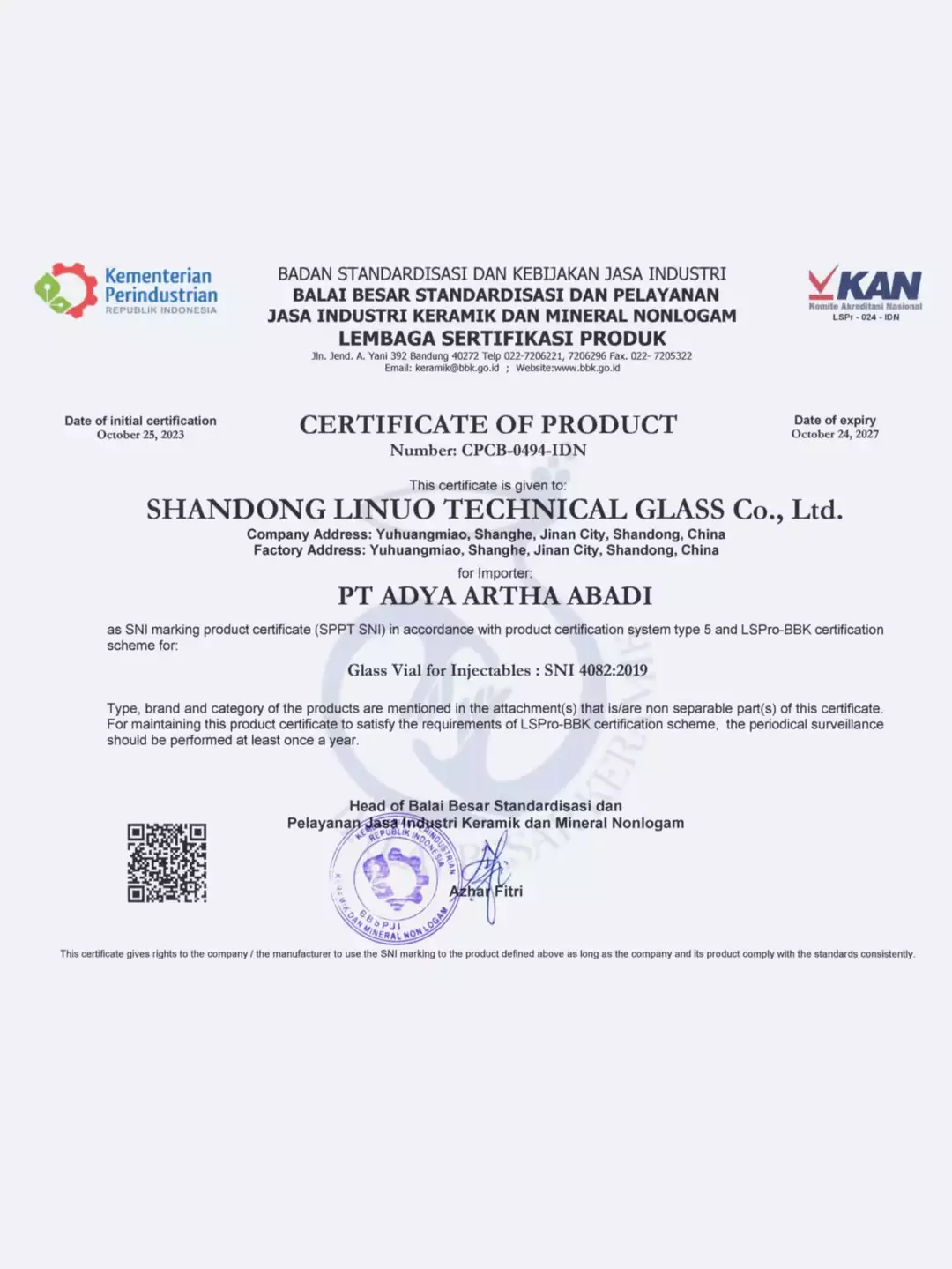
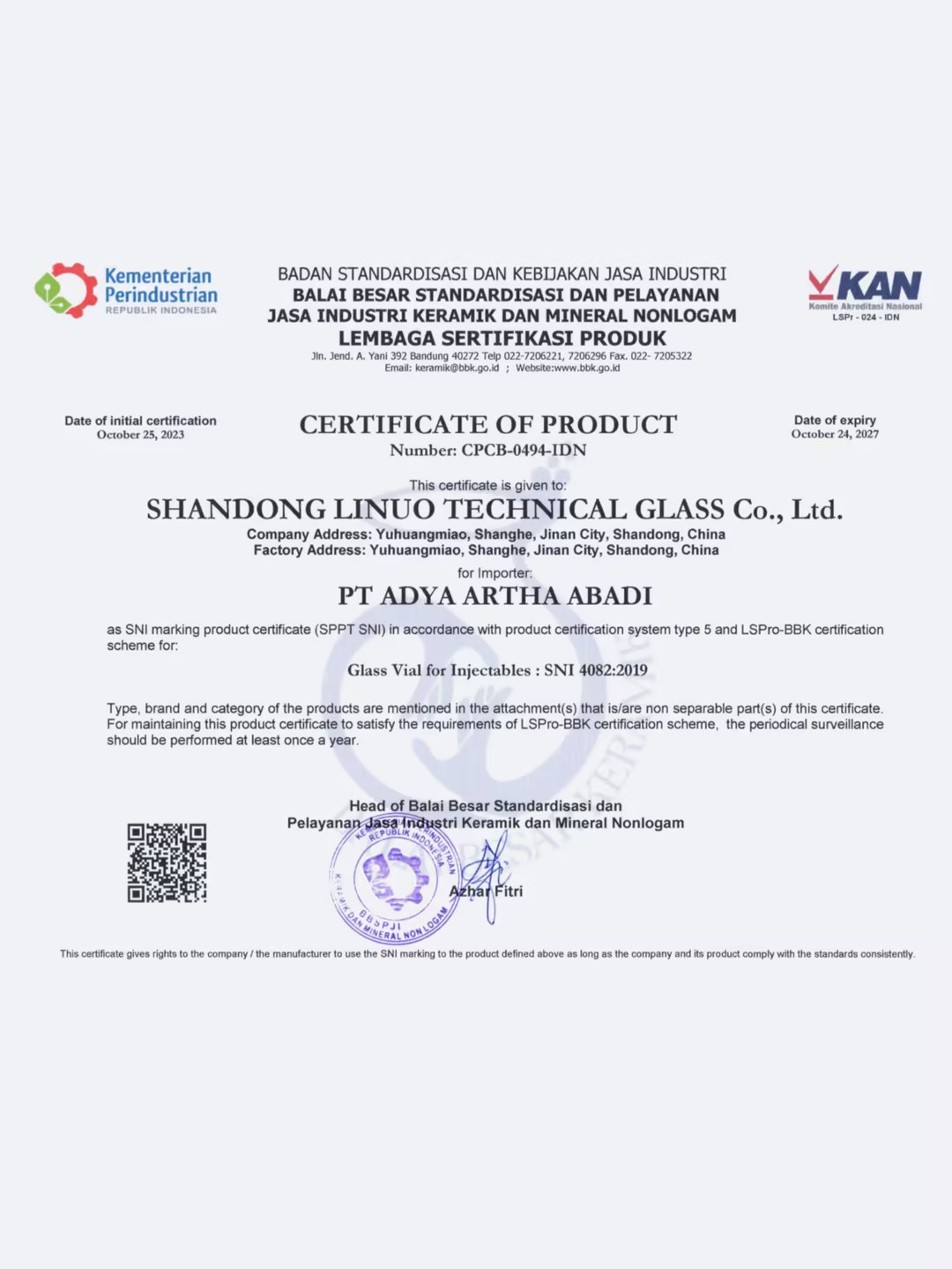
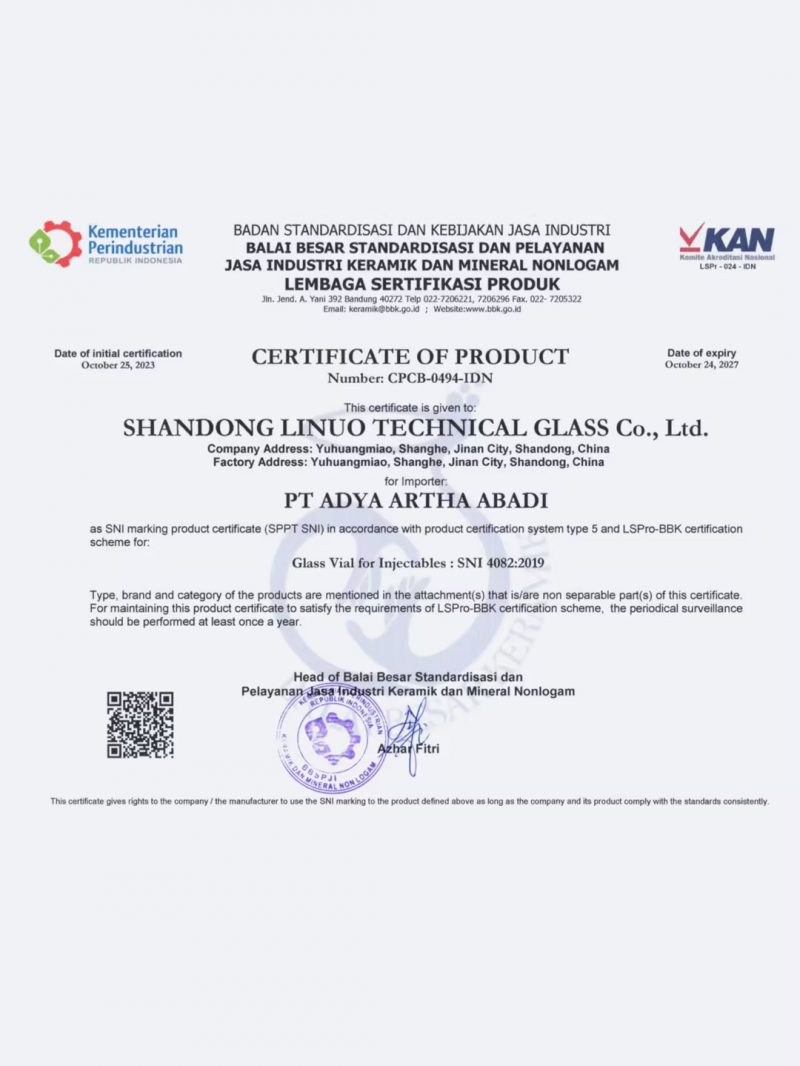
In short, stop buying on price alone; measure what matters, demand real transport simulations, and pick partners who share test data openly. I know from the trenches — when I tightened specs and required those three metrics, our rejection rates dropped and client satisfaction rose. If you’re fixin’ to make a long-term supply choice, use these metrics, and consider vendors with proven records — like LINUO. Trust me — it’s worth the extra grit.
