
Table of Contents
Why a comparative eye helps your clinic run proper
Right, listen up — if you’re running a clinic and want to know which kit shifts the needle, you’ve gotta compare like-for-like. This ain’t just about flash and chrome; it’s about patient outcomes, throughput, and long-term margins. A quick primer on skin rejuvenation treatment choices will save you graft down the line, especially when supply hiccups — think 2020’s chain woes — muck about with lead times. Put bluntly: pick the wrong device and you’re paying for downtime, retraining, or refunds. Keepin’ it simple, we’ll weigh up ablative vs non-ablative, fractional vs broad-band devices, and where microneedling still earns its keep.
Core comparisons that actually matter
When you pit devices against each other, focus on three clinic-level metrics: clinical efficacy (how well the device drives collagen remodeling and visible improvement), operational impact (session length, downtime, consumables), and patient throughput (how many treatments per day you can deliver). Industry terms to keep in your pocket: fractional laser, ablative, non-ablative. Those tell you the treatment class and expected downtime — and that, mate, tells you who’ll book in for a follow-up on a Saturday.
Ablative vs non-ablative: the trade-offs
Ablative lasers give proper results faster — deeper dermal remodeling — but bring more downtime and need tighter aftercare protocols. Non-ablative options are gentler, fewer complications, and patients nip back to work sooner; but you often need more sessions to hit the same endpoint. For clinics aiming for a luxury, one-and-done proposition, ablative kit can justify a premium price point. For high-volume chains, non-ablative and IPL routes often beat the clock — and the margins. Don’t forget fluence and pulse duration settings; they shape both efficacy and safety margins.
Fractional systems, IPL, and microneedling: where they sit
Fractional lasers are the Swiss Army knife for resurfacing: targeted microthermal zones, solid collagen induction, and reliable results for texture and scarring. IPL’s good for vascular and pigment work on a broad front, but it’s less surgical in its effect. Microneedling — with or without PRP — remains a low-cost, low-downtime choice that pairs nicely with other modalities. Use these as combo tools rather than rivals; many clinics stack treatments for faster results and better patient satisfaction. — It’s about creating pathways, not silos.

Practical workflow impacts and clinic logistics
Think beyond the machine: staff training, consumable supply, room turnover, and patient flow matter just as much. A powerful laser with complex settings is useless if your nurse can’t hit a safe, repeatable protocol. Tooling and maintenance contracts affect uptime — and Harley Street clinics will tell ya, reputation is built or broken on consistency. If you’re rolling out new tech across multiple sites, pilot on one room and measure before you expand. That approach keeps complaints down and outcomes up.
Cost, ROI, and patient selection
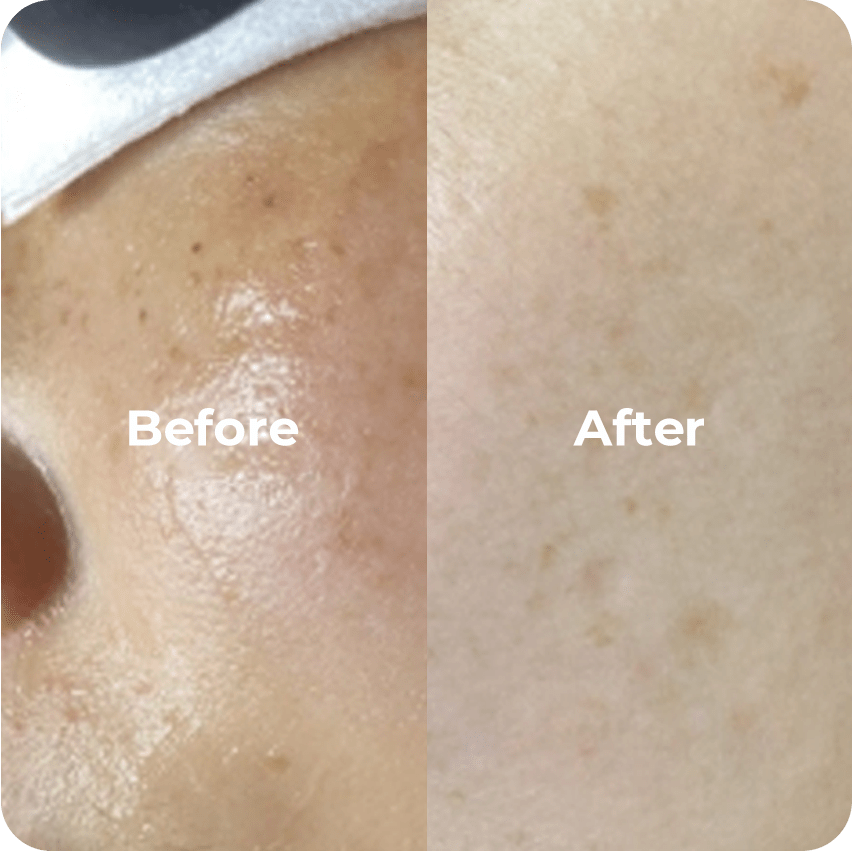
Upfront capital is only half the story. Factor service agreements, replacement handpieces, and consumables into per-treatment cost. Patient selection also drives ROI: younger patients often want minimal downtime; mature patients may accept downtime for dramatic rejuvenation. Clear consent, documented outcome measures, and before/after imaging tighten your audit trail and boost rebook rates. Also, don’t skimp on a robust QA protocol — first-article testing of settings on Fitzpatrick skin types prevents nasty surprises.
Common mistakes clinics make (and how to dodge ’em)
1) Buying on spec rather than use-case. 2) Underestimating training time. 3) Treating device supply like a one-off purchase. Avoid these by insisting on on-site demos with real patients, written maintenance SLAs, and a phased rollout plan. A two-week pilot will reveal most quirks — and save you a packet compared to fixing problems later.
Three golden rules for choosing kit (advisory close)
1) Measure clinical impact, not showroom specs — insist on peer-reviewed outcomes or validated before/after data. 2) Score operational fit: how many treatments per clinician per day, average downtime, and consumable cadence. 3) Vet the vendor for service in your locale — warranty response time and parts availability beat shiny bells every time. These are your go/no-go checks.
Wrap it up: your choice of device should free your team to deliver consistent results and keep patients chuffed — and that’s precisely where ENZOEYS helps clinics match strategy to kit. —
