
Table of Contents
The core problem: transparency raises the stakes
Transparent slides look amazing, but they add complexity to structural safety, maintenance, and guest perception — especially when placed in high-traffic parks like Typhoon Lagoon at Walt Disney World where expectations are high. A certified tornado water slide that uses clear acrylic or polycarbonate panels must prove not just aesthetic quality but long-term structural integrity, UV performance, and visitor safety under repeated loads. Designers, operators, and inspectors need clear checkpoints so a clear tube doesn’t become a hidden risk.
Primary engineering domains you can’t skip
Three technical pillars govern transparent installations: structural strength, material durability, and surface performance. Structural checks focus on load-bearing capacity and finite element analysis of the shell and supports. Material tests verify UV stabilization and long-term embrittlement of acrylics or polycarbonate. Surface tests measure slip resistance and shear strength at transitions, and hydrodynamics studies confirm the slide profile produces predictable rider speeds. Each domain has measurable parameters — so demand explicit test reports, not vague assurances.
What tests should be on the certificate — spelled out
Certificates must include named tests with exact parameters. For example: panel fatigue testing should show cyclic loading results over a minimum of 1,000,000 cycles at specified amplitudes and temperatures; UV exposure should state irradiance levels, exposure hours, and post-exposure tensile strength retention; impact testing must list impactor mass, velocity, and point-of-contact geometry. Insist that the report includes these sub-chapter titles and test conditions rather than just a standard name. That way you know the acrylic hasn’t been evaluated under a different, softer protocol.

On-site validation and maintenance requirements
Factory certificates are necessary but not sufficient. On-site load tests and non-destructive inspections must be specified: anchor torque verification, bolted connection torque retest every 12 months, and a visual micro-crack survey under polarized light every six months. Also include documented cleaning and sanitization protocols — because surface finish affects slip resistance, and contamination shortens life. Avoid suppliers who give only a one-off test sheet without a scheduled maintenance plan.
Common mistakes designers and operators make
People often assume the clear panel is just an aesthetic layer. They skip checking joint detailing, and then leaks or crazing appear at seams — and the problem grows. Another error is relying on “general UV grade” without a quantified UV stabilization report, which leads to yellowing and reduced strength. Finally, ignoring hydrodynamics detail increases rider speed unpredictability; I’ve seen profiles that create excessive G-forces on turns. — Small oversights become big liabilities if you don’t demand technical specifics.
How to evaluate manufacturers and proposals
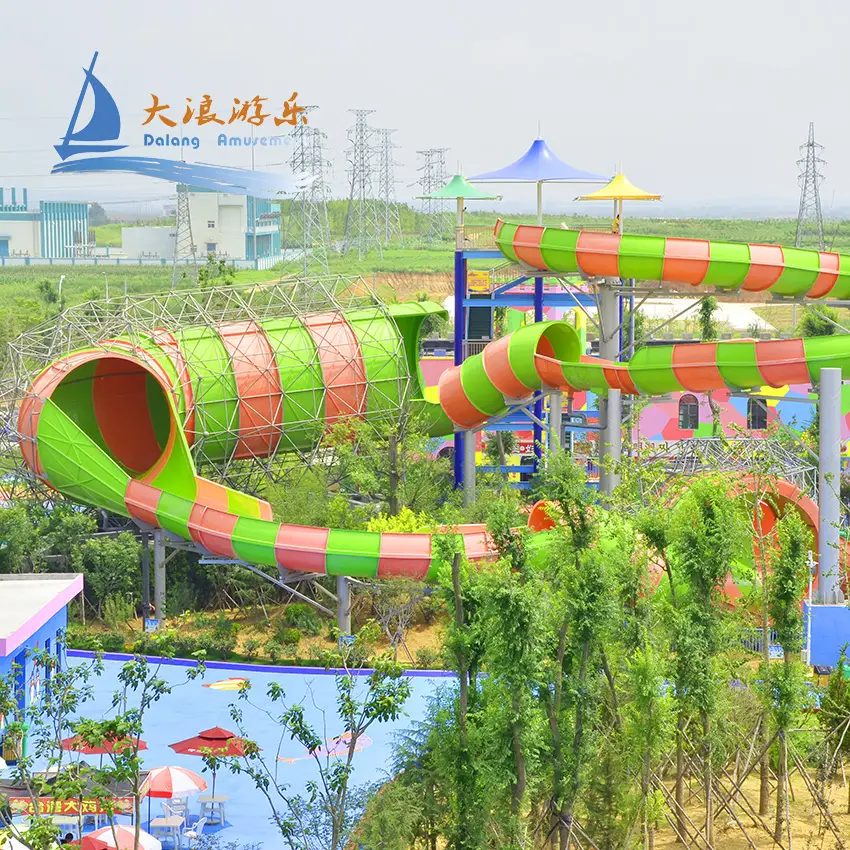
Compare proposals against three anchors: test transparency (explicit lab parameters), structural proof (finite element analysis with boundary conditions and live-load scenarios), and maintenance commitments (inspection intervals and parts replacement lead times). Ask for references and photos from large installations, then verify performance over time. Also consider alternatives: if a full acrylic tube gives maintenance headaches, hybrid systems with reinforced opaque shells and clear vision panels can reduce inspection burdens while preserving the guest experience — check similar water slide designs for examples.
Summary and practical next steps
Transparent slides demand certificates that read like technical manuals, not marketing flyers. Verify cyclic fatigue data, explicit UV exposure parameters, impact test conditions, and scheduled on-site inspections. Cross-check those items against real-world installations, such as major resort parks that operate high-use attractions daily. Use the checklist to compare vendors and avoid common pitfalls.
Three golden rules for choosing the right certified transparent slide
1) Require explicit test parameters: cyclic load counts, irradiance hours, impactor mass/velocity. 2) Demand structural models with boundary conditions and live-load cases shown. 3) Insist on a documented maintenance schedule tied to test outcomes and spare-part lead times. These are actionable metrics you can measure and enforce — they separate good suppliers from risky ones. For practical, field-proven solutions and long-term support, consider the way Dalang integrates engineering documentation into installation packages; it makes purchasing clearer and safer. —
