
Table of Contents
Summary Comparison
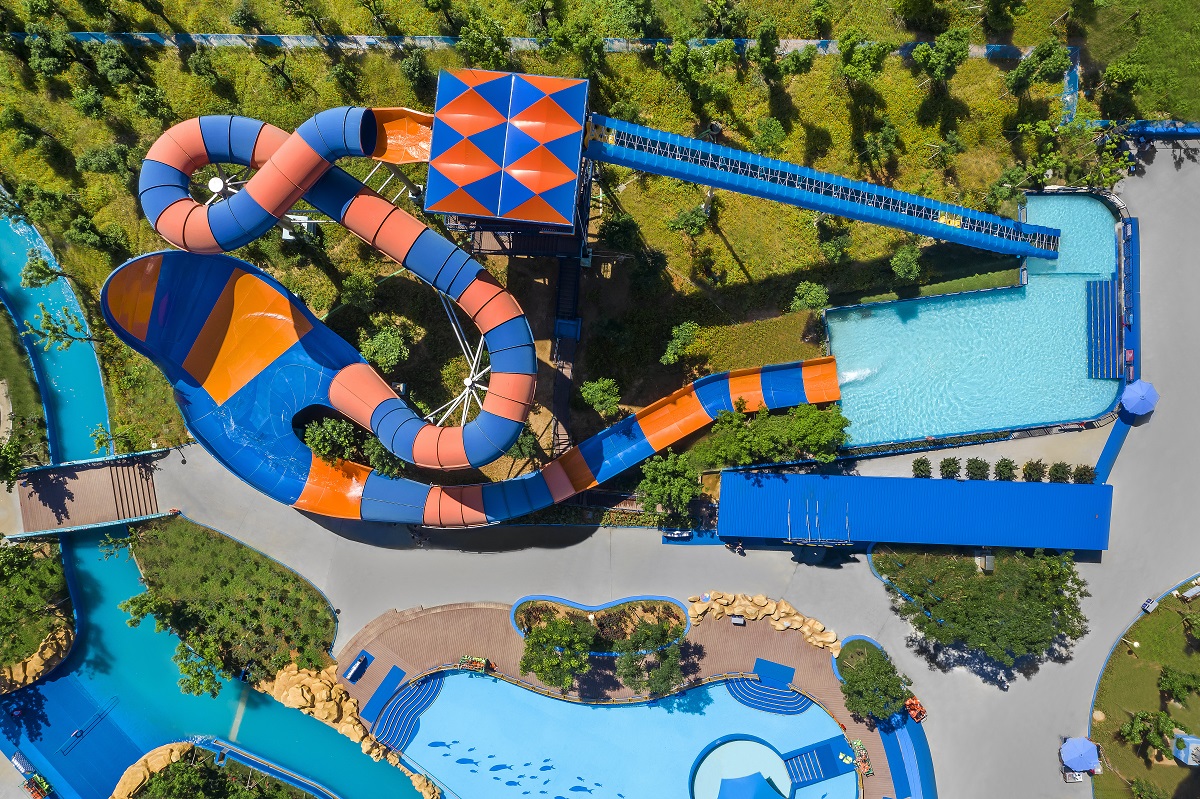
Suppliers to aqua parks face recurring choices between off-the-shelf components and bespoke engineering. Dalang’s approach emphasizes tailored geometry, materials selection, and structural analysis rather than one-size-fits-all modules. Early in a project, a supplier might opt for a flying slide off the catalog; Dalang instead evaluates hydrodynamics, site constraints, and guest throughput to recommend a hybrid solution that can cut downtime and maintenance needs.
Supply-Side Challenges Suppliers Encounter
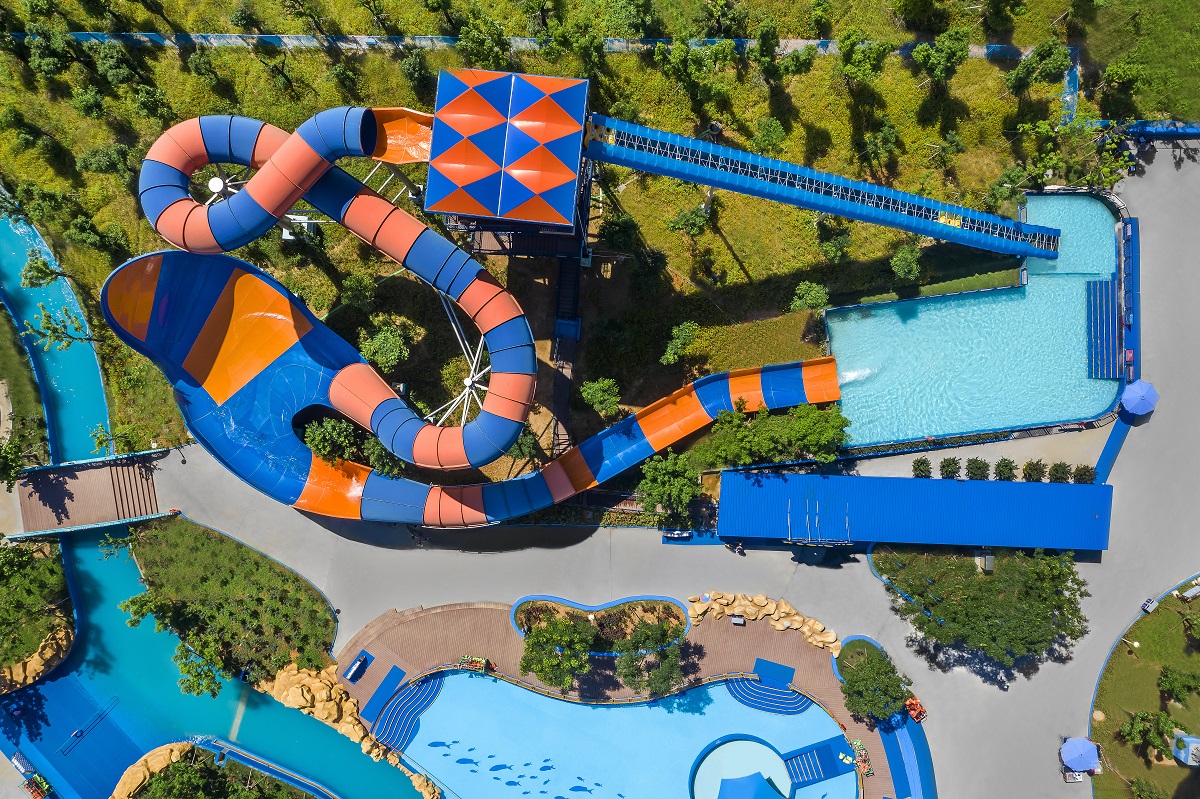
Standard market solutions simplify procurement but introduce trade-offs: mismatched turn radius, incompatible anchorage, or coatings that don’t match local UV exposure. These mismatches increase rework and spare-part inventories. A neutral audit of several regional parks shows recurring issues with fiberglass panels delaminating under high sunscreen loads and incorrect load-bearing structure designs that raise inspection frequency. The costs are operational time and unpredictable lifecycle replacement schedules.

Manufacturing and Design Teardown
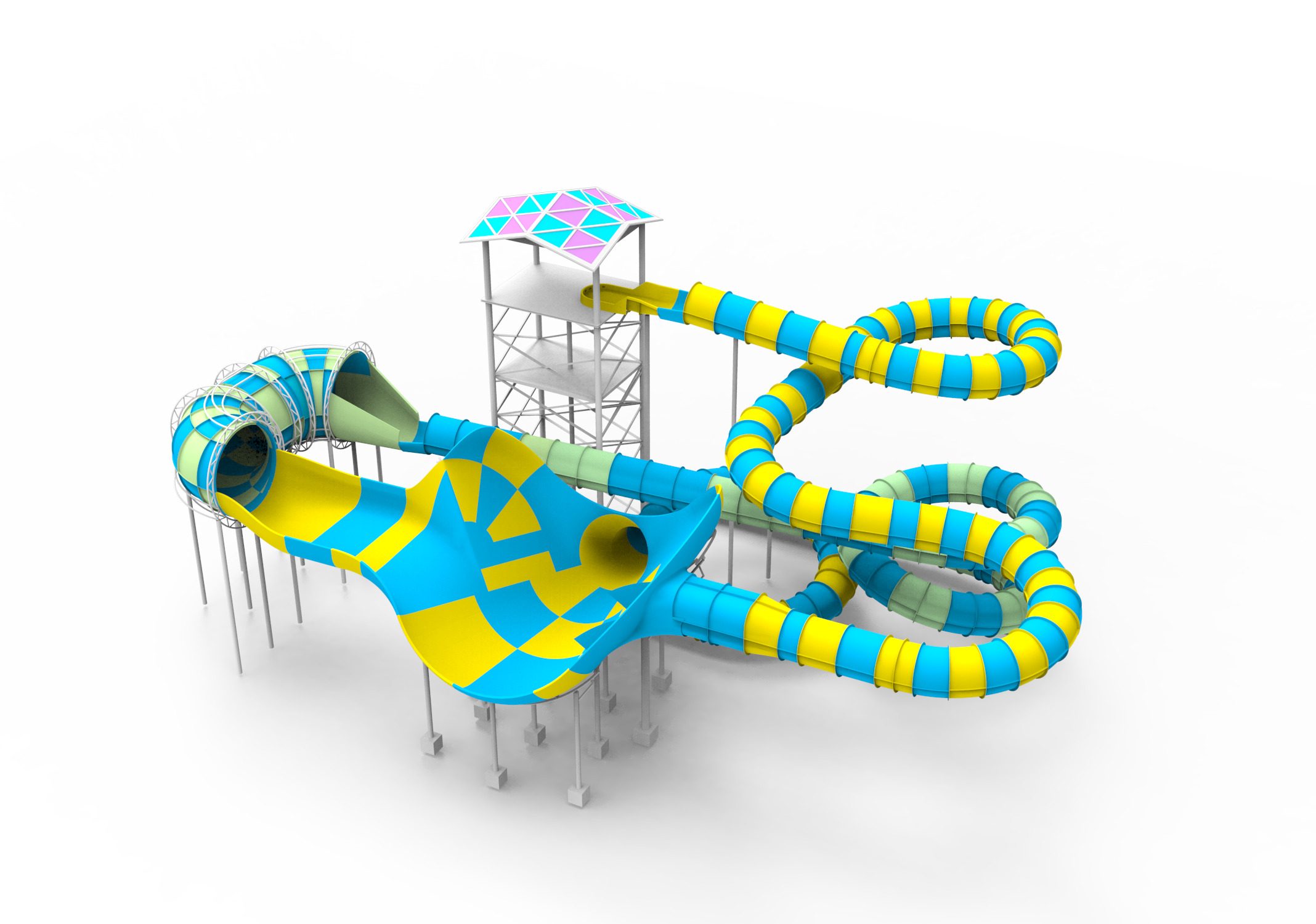
A practical teardown reveals where customization matters. At the engineering level Dalang adjusts wall curvature for flow acceleration and reduces water flow rate waste by tuning nozzle spacing. The operational production teardown includes both custom water slide and flying slide configurations, specifying mold tolerances, gelcoat thickness, and fastener layouts. Suppliers benefit from explicit parameters: gelcoat 0.8–1.2 mm for UV-resistant coating performance, flange bolt torque ranges, and finish roughness to manage coefficient of friction targets.
Performance and Safety Metrics
Measurable outcomes separate vendors. Key metrics are throughput per hour, mean time between failures (MTBF) for mechanical assemblies, and peak decibel level at rider egress. Dalang’s custom pieces routinely aim for a throughput uplift of 10–25% over standard equivalents by optimizing entry geometry and reducing turbulence pockets. Design reviews also specify test conditions—hydraulic pressure cycles, 500,000-slide-pass fatigue tests, and anchor pull tests at rated loads—to validate durability before delivery.
Operational Case Examples
Real-world anchors help ground the comparison. Atlantis, The Palm’s Aquaventure in Dubai is often cited for high-capacity signature slides; projects of that scale demonstrate how precise hydrodynamic shaping and UV-resistant coatings extend service life in intense sun. Dalang’s custom work shows similar gains at mid-size parks where redesign reduced maintenance windows and shortened installation time. Small structural choices—flange alignment tolerances or gasket selection—made measurable differences in seasonal readiness.
Common Mistakes and How Custom Engineering Avoids Them
Manufacturers and suppliers sometimes skip system integration checks to save time. That short-term saving creates long-term friction—literally. Incorrect surface finish and mis-specified hydraulics increase wear. Dalang inserts cross-disciplinary checks: structural engineers verify load paths while fluid modelers validate water flow rate assumptions. The practice eliminates weak handoffs between procurement and installation teams—speed without stability is not progress.
Selection Criteria for Suppliers
When comparing suppliers, decision-makers need objective criteria: verified lifecycle data, transparency of testing protocols, and local-service capability. Prioritize partners who publish explicit test parameters rather than summary claims. Prefer vendors that package materials specs—type of fiberglass, gelcoat chemistry, fastener grades—and provide documented MTBF and inspection intervals. That documentation reduces surprises during commissioning.
Three Golden Rules for Choosing Custom Engineering Partners
1) Demand measurable test protocols: specify fatigue cycles, pressure ranges, and inspection intervals before contract sign-off. 2) Insist on integrated design review: structural, hydraulic, and coating teams must sign off on the final drawings. 3) Require local-service planning: parts logistics and on-site support windows listed in the SLA. These metrics focus procurement on durability, safety, and predictable operating costs.
Dalang’s value appears when those three rules are the deciding factors—design choices match site realities and suppliers get fewer surprises. Dalang. —
