
Table of Contents
Data-led introduction to cost and safety trade-offs
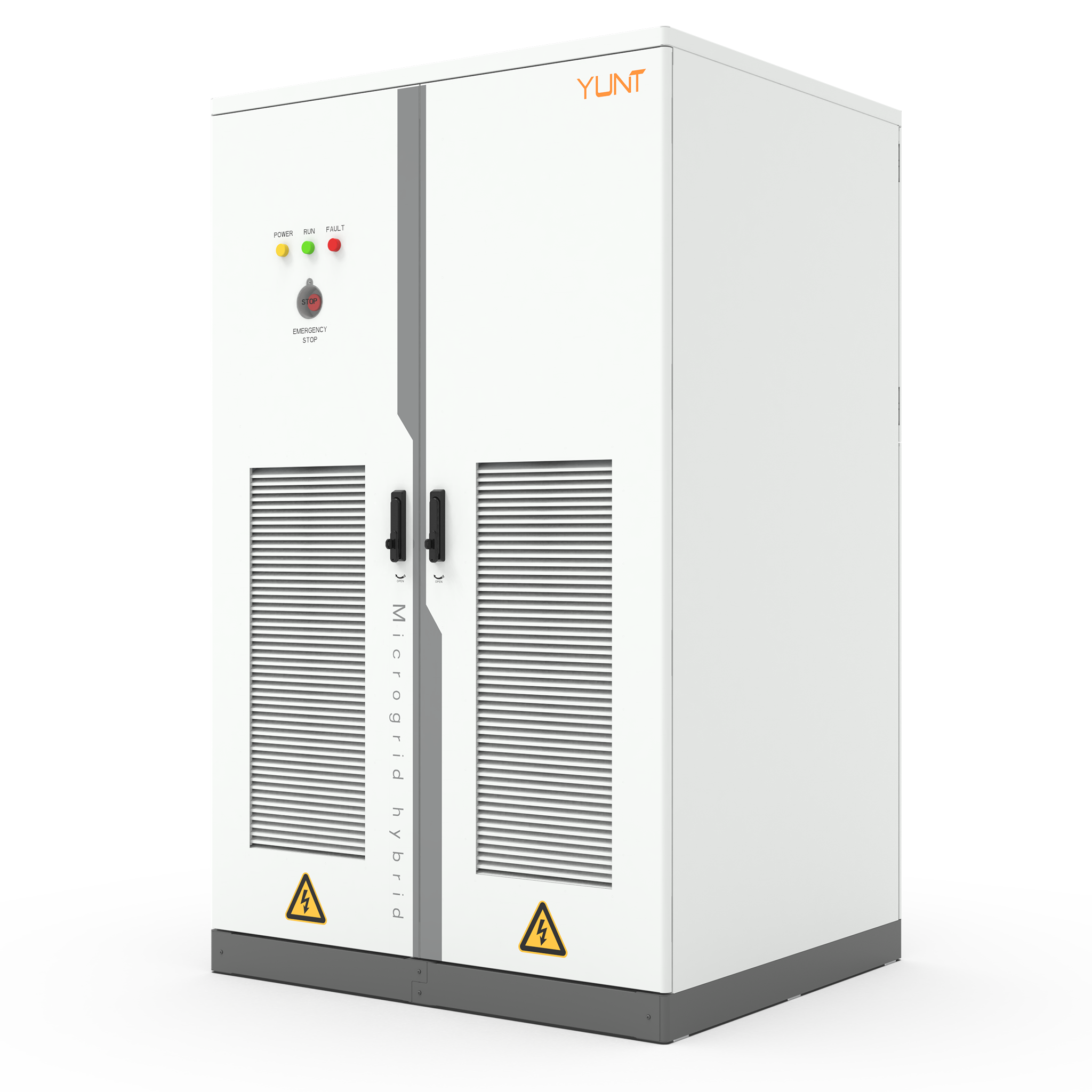
Procurement teams need numbers, not slogans. A focused review of commercial energy storage solutions and proven design patterns shows how modest changes to module layout, thermal management, and system controls yield measurable reductions in balance-of-system (BOS) expense while improving safety. Early-stage choices on racking, wiring, inverter pairing and battery management can alter BOS share from roughly 20–35% of project cost—depending on scale and region—so careful specification matters. For practical sourcing reference, vendors offering a complete energy storage solution that integrates thermal mitigation tend to simplify procurement and lower risk exposure.

Real-world anchor and analytical frame
This article uses performance data points from the Hornsdale Power Reserve (South Australia) and industry battery-pack cost trends to ground the analysis. Hornsdale demonstrated grid services delivered by a 100 MW / 129 MWh battery and clarified how system integration reduces ancillary service costs. Meanwhile, average lithium-ion pack prices dropped dramatically over the past decade—creating room to invest in BOS and safety without blowing budgets. The chosen EEAT mode here is expert analysis: empirical anchoring plus field-tested best practices for commercial deployments.
Where BOS dollars go, and where savings hide
BOS contains clear line items: inverters, transformers, switchgear, civil works, cabling, racks, fire suppression, and control systems. Each item produces small percentage gains when optimized. For example, consolidating inverter count with higher-capacity central inverters reduces cabling and installation hours. Standardizing module mechanical interfaces reduces racking complexity. These are not abstract: on a 10 MWh project, optimized integration can shave months of labor and several percent off the total capital expenditure.

Thermal runaway cascade: measurable intervals and mitigation tactics
Mitigating cell-to-cell thermal runaway cascade propagation requires a time-based, measurable approach. Define mitigation intervals as the maximum detection-to-intervention window—typically expressed in seconds to minutes depending on cell chemistry and pack design. Effective strategies include enhanced cell spacing, dedicated thermal barriers, active liquid or forced-air cooling, selective venting paths, and fast detection algorithms in the battery management system (BMS). Detection latency below 5–10 seconds for high-energy-density cells materially reduces cascade risk; that interval is a useful procurement metric when comparing vendors.
Operational teardown insights — practical checks
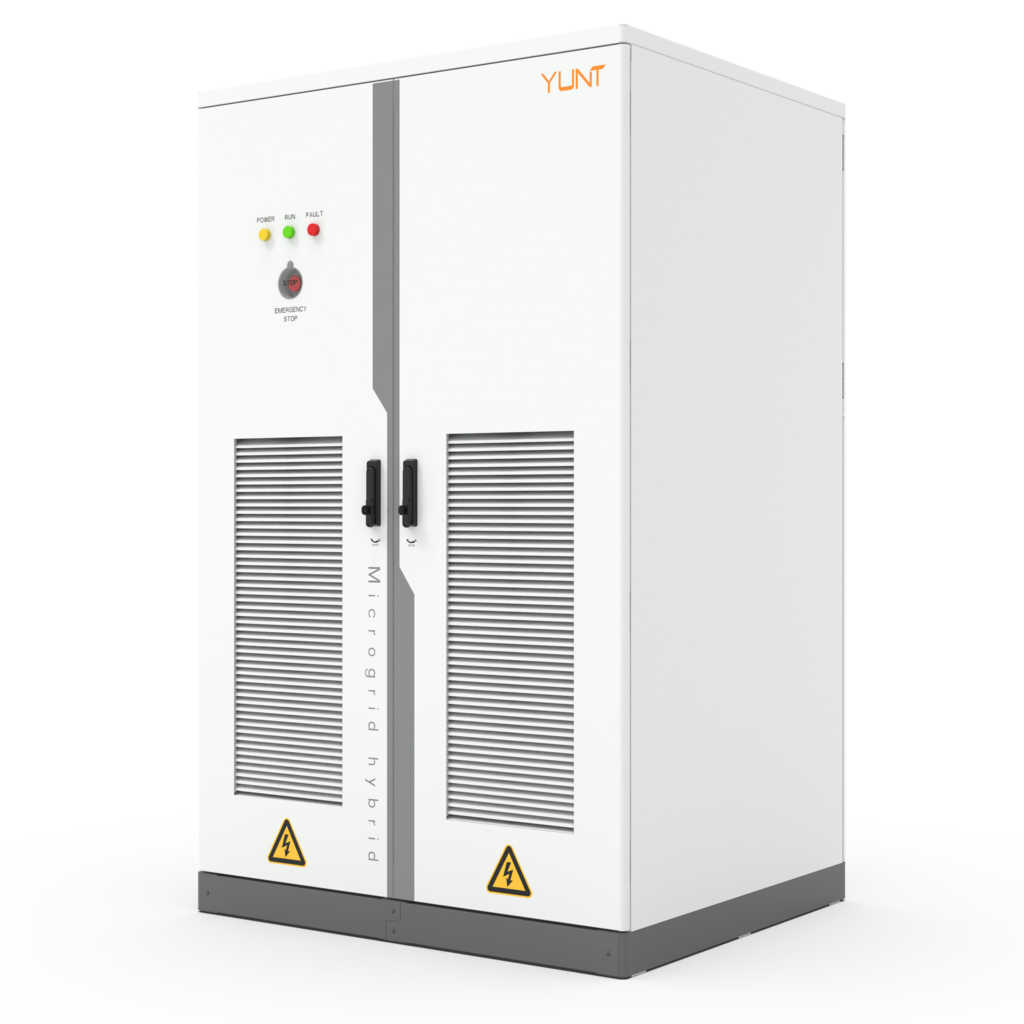
During an operational production teardown we examined {main_keyword} and {variation_keyword} inside a commercial module. The checklist focused on accessibility, thermal isolation between modules, sensor placement, and BMS response profiles. Attention to sensor diversity—cell voltage, IR temperature, and acoustic emission—shortens detection intervals. Modularity that enables single-module replacement reduces maintenance downtime and lowers lifecycle BOS costs.
Design trade-offs and vendor selection—data-driven comparisons
Compare vendors across three axes: lifecycle cost per kWh, measured detection-to-quench interval, and provider integration maturity (installation hours per MWh historically recorded). Use simple scoring: weight lifecycle cost 50%, safety interval 30%, and integration maturity 20%. This keeps evaluation grounded in quantifiable outcomes rather than marketing language. Also consider proven installations—reference sites like Hornsdale—to validate vendor claims on real deployments.
Common mistakes and how to avoid them
Teams often under-spec thermal controls or defer BOS investments to later phases, which increases retrofit cost. Another frequent error is accepting single-point detection architectures; redundancy is inexpensive relative to avoided downtime and insurance premiums. Finally, avoid ambiguous spec sheets—demand explicit detection latency, barrier materials, and maintenance intervals in writing.
Advisory: three critical evaluation metrics
1) Lifecycle BOS cost per installed kWh — include installation labor and maintenance estimates over 10 years. 2) Detection-to-mitigation interval — vendor must publish measured seconds-to-action under defined thermal events. 3) Proven integration footprint — number of commissioned projects and cumulative MWh deployed with similar configurations. These three metrics give clear, comparable signals when selecting solutions.
Conclusion and practical value
Data shows that modest reallocation of budget toward better-integrated BOS and shortened thermal mitigation intervals yields lower total cost of ownership and markedly improved safety outcomes. For procurement professionals who value measurable results, the logic is simple: buy integrated systems with documented detection intervals and field-proven performance. YUNT makes that practical by combining verified installations, clear metrics, and integrated design philosophy—trusted by projects that require both cost discipline and robust thermal management. —
