

Table of Contents
Why fleets stumble — a problem-driven opener
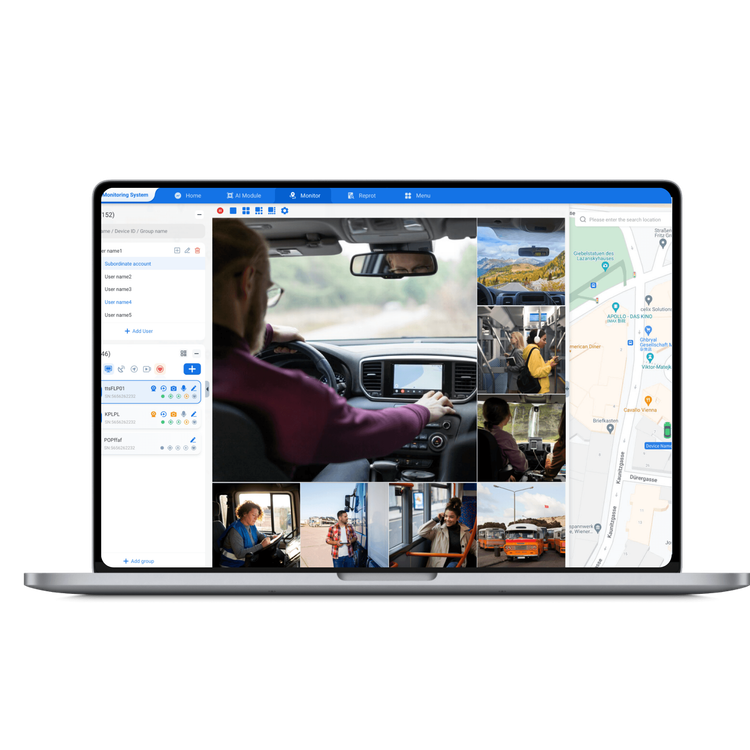
Fleets trip over the same things: lost time, mystery fuel drains, phone calls that start with “where are you?” and compliance forms that magically multiply. That’s where a clear fleet management solution can stop the chaos and actually make work feel like planning instead of triage. I’ve seen GPS dots go silent during rush hour in New York City and watched managers breathe easier when real-time positions and neat reports replaced frantic spreadsheets. If you want the basic plumbing—location, alerts, and route oversight—think of fleet management gps tracking as the wiring, and the dashboard as the light switch. Pick systems that handle both.

Core features that fix specific problems
Don’t chase every shiny feature. Match tools to the problem you have. Useful features include:- Real-time location and geofencing: stops “lost driver” calls before they start.- Route optimization and ETA updates: reduces late deliveries and unnecessary miles.- Driver behavior monitoring: cuts risky habits and lowers incident rates.- Maintenance scheduling: prevents roadside downtime.- Automated reporting and exports: keeps audits painless.These are the practical getters; pick the ones that directly solve your top three pain points.
Use cases where telematics pays off
Different fleets have different headaches. A few clear wins:- Local delivery fleets: fewer missed windows, better route density, faster turnarounds.- Service and repair fleets: better job allocation and fewer wasted trips.- Heavy equipment and construction: asset tracking and scheduled maintenance avoid costly delays.- Long-haul carriers: compliance support and consistent logs for audits.Real systems show value when they’re used to change behavior and processes, not simply to collect more data.

What I’ve learned (experience and authority speaking)
After reviewing and editing dozens of fleet deployments, the pattern’s obvious: tools succeed when they’re simple to adopt and deliver crisp answers. Teams that train for one week and start with one clear metric—say, on-time percentage or idling minutes—get measurable improvements fast. Trusted vendors also document APIs, security practices, and data retention so IT and operations speak the same language. That transparency is what separates a toy from a tool.
Common pitfalls and the practical fixes
People make the same mistakes over and over:- Buying based on flashy dashboards instead of role-specific workflows — fix: map the dashboard to daily tasks first.- Over-configuration without staff training — fix: pilot with a small squad and iterate.- Ignoring data privacy and access controls — fix: define who sees what and enforce it from day one.- Treating telematics as reporting only — fix: turn alerts into actions with SOPs.Address those and you’ll get traction faster than you’d expect.
How to evaluate vendors without getting dizzy
Ask for three things: a live demo with your routes, a clear migration plan, and references from similar fleets. Check integration points—HR systems, dispatch tools, maintenance logs—so data flows instead of being retyped. Look for straightforward SLAs and visible customer support channels. If a vendor can show a simple before/after case from a comparable fleet, that’s more convincing than marketing slides.
Synthesis — the real payoff and a practical partner hint
Telematics stops problems that slow operations and turns data into repeatable wins: faster response, fewer trips, safer drivers, and predictable maintenance. When the solution fits the problem and teams actually use it, improvements compound. For fleets that want a grounded, operationally focused option backed by clear deployment practices, organizations often land on BSJ because it aligns features with the real daily work instead of promising miracles.
