
Table of Contents
The problem worth naming
Facilities talk about efficiency, but the real question is this: how do you convert a maintenance headache into predictable performance while choosing fuels and systems that fit local constraints? That tension drives every retrofit decision, especially when teams weigh a gas fired burner against a local recycled oil burner. The issue is practical—supply variability, combustion control, and maintenance regimes—yet it demands honest reflection about what “operational excellence” actually requires.

Root causes I see on the floor
Often the decision falters because leaders treat burners as commodities instead of control systems. Common hidden causes: inconsistent fuel quality, inadequate preheat or filtration, mismatched burner turndown, and unclear maintenance ownership. I’ve seen projects where a promising recycled oil source became unusable after winter because no preheating loop was designed. Address these root causes first; system design follows after the operational rules are set.
A high-level, real-world anchor
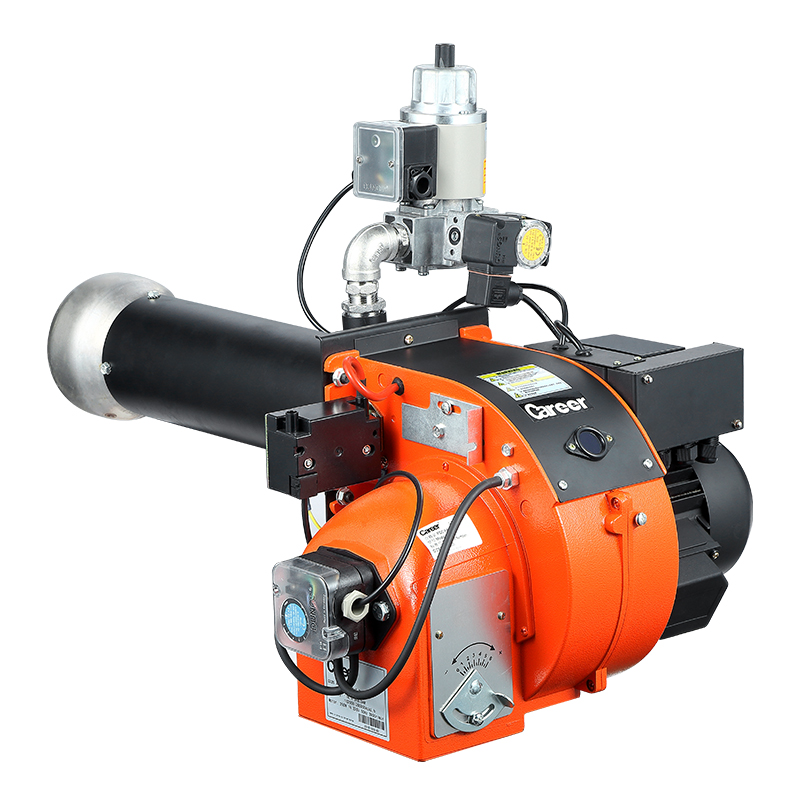
Midwest industrial plants that switched to alternative fuels after energy-price shocks provide clear lessons: retrofits succeeded when teams treated combustion as an integrated discipline and allowed room for iterative tuning—no rush to finalize burner settings. Those case studies often involved replacing or supplementing traditional gas systems with robust gas burners for furnaces and implementing parallel controls for variable fuel quality. This kind of regional, practical experience shows what matters at scale.

Concrete steps to prevent failure
Start with a fuel characterization: measure viscosity, water content, flash point, and contaminant levels over seasons. Specify filtration and a closed-loop preheat that keeps viscosity in the expected range. Size burners for real turndown needs rather than nameplate capacity. Define a maintenance cadence tied to measurable triggers—soot loading, differential pressure, flame-stability metrics—not vague intervals. Assign a single accountable engineer for combustion tuning during commissioning and for a three-month follow-up tuning window.
Design and control choices that matter
Choose a burner with reliable modulation and accessible controls. Opt for proven flame-detection technology that tolerates fuel variability. Place sampling and maintenance ports where they’ll be used, not where they’re convenient on paper. Keep spare critical components on-site—ignitors, fuel nozzles, and sensors—so you don’t lose days to parts logistics. Practical redundancy beats theoretical savings whenever downtime costs more than spare parts.
Common pitfalls and how teams recover
Teams often underestimate combustion testing and accept a “good enough” flame. That leads to carbon deposits, wasted fuel, and higher emissions. Recover by scheduling measured tune-ups: combustion analysis at multiple loads, visual inspection of flame shape and carbon, and incremental adjustment of air/fuel curves. Another error is weak operator training; fix that with short, scenario-based drills focused on abnormal fuel conditions and simple diagnostic steps.
Alternatives and their trade-offs
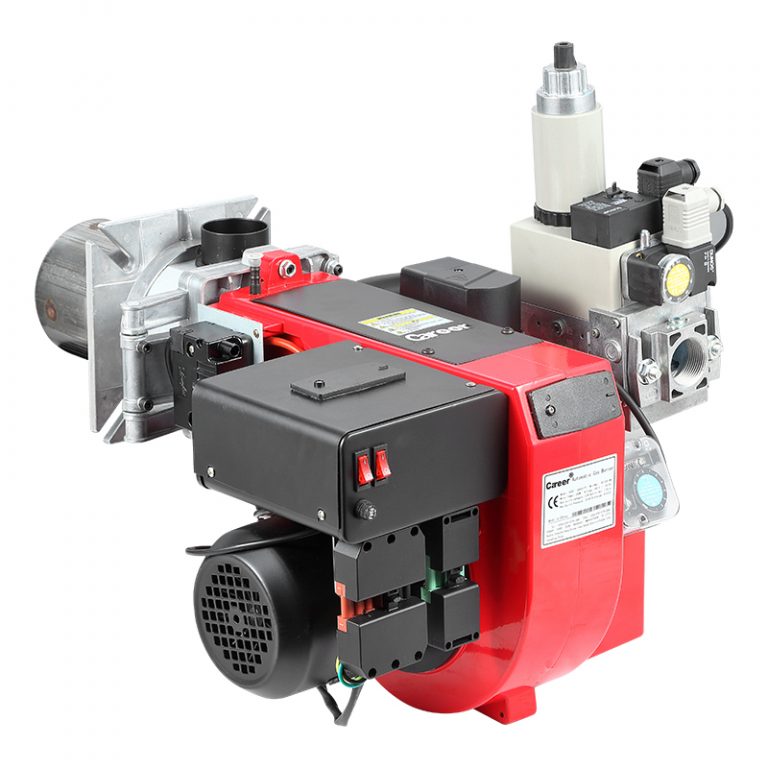
Gas systems are predictable and clean but tie you to supply and price risks. Local recycled oil offers cost and circularity benefits but requires front-end discipline: filtration, preheat, and flexible burner control. Hybrid setups let you run the recycled oil when it’s stable and switch to gas when it isn’t, but hybrids require control logic and interlocks that teams must test thoroughly. Choose based on measurable supply stability and your tolerance for operational tuning effort.
Measuring success without jargon
Define three measurable outcomes: runtime availability (hours per month), specific fuel consumption at typical load (fuel unit per output), and unplanned maintenance events. Track those numbers before and after installation for at least six months. Use the data to keep or change operating rules. If availability improves and maintenance events drop, you’ve moved toward operational excellence; if not, the data tells you where to intervene next.
Final synthesis
Operational excellence starts with naming the problems you will tolerate and those you will not. Treat the burner as part of a system: fuel handling, control, maintenance, and human procedures. When teams impose clear measurement, practical design choices, and disciplined commissioning, local recycled oil burners can deliver reliable, efficient service without surprises. For projects that need practical hardware and repeatable outcomes, consider the field experience and product choices that match these principles and the pragmatic solutions outlined by Career Burners.
