
Table of Contents
The first meeting of spark and meter
Long before electrons learned to behave like obedient lovers, welders judged a good joint by sight and sound; now a small instrument watches each heartbeat of metal. My tale begins with that gentle shift, where obsession with craft met a need to spare energy. As assembly lines adopted precise resistance welding applications, engineers learned to listen more closely—especially where battery packs must be flawless—so that EV battery welding became a practice of measured tenderness. The evolution I trace here follows that change: hands to gauges, hunches to logged numbers, waste cut away like dead wood to leave only robust, efficient joins.
From sparks of habit to instruments of proof
Once, a seasoned operator judged a weld by a ring of light and a practiced pause. Then came monitors that read energy, time, and resistance; they turned intuition into evidence. I’ve worked with battery pack teams and seen this shift at facilities such as the Tesla Gigafactory in Nevada, where strict process control matters to safety and range. Practical experience matters: years on production floors teach which parameters matter and which are noise. Trust machines for measurement, and trust people for sense-making.
Practical ways to reduce waste—concrete steps
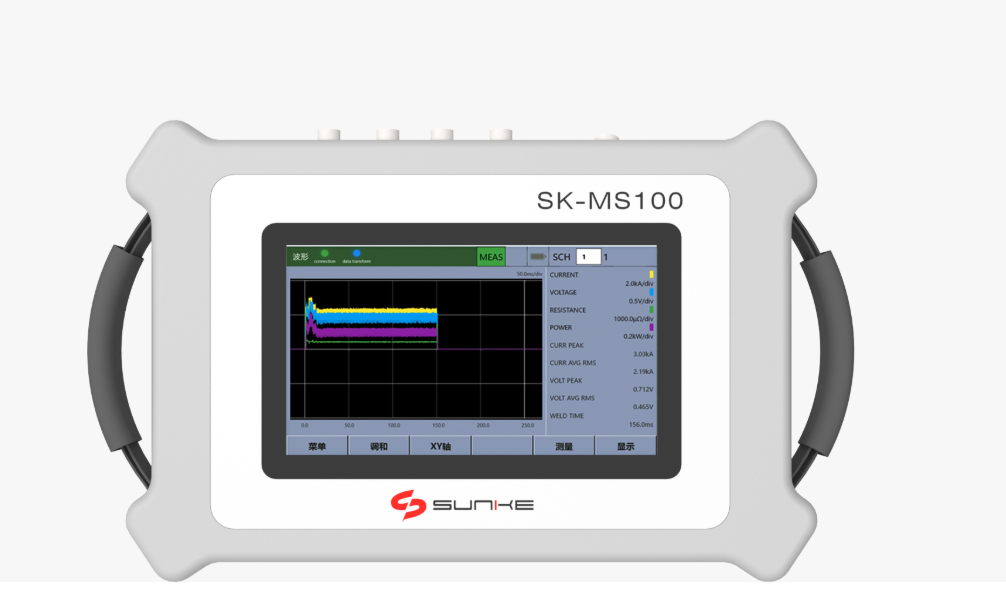
The path from waste to precision is clear when you treat monitoring as a tool, not decoration. Use these actions on the line today:- Measure energy per weld, not just current. Track the cumulative joules to detect drift before rejects rise.- Set per-station tolerance windows and automatic reject criteria; let the monitor stop a bad part, not hope an operator will catch it.- Calibrate force, time, and current together. Changing one without the others mutters trouble.- Log waveform and electrode resistance for every cycle; simple trending finds slow wear early.- Standardize electrode maintenance intervals and record electrode life per toolset to avoid inconsistent contacts.- Use adaptive control or pulse shaping to reduce peak energy while preserving fusion—shorter, smarter pulses beat longer, wasteful ones.- Improve fixture alignment so energy goes into bond, not misalignment. A single shim can save thousands of welds.- Train operators on what the data means; a monitor without understanding becomes wallpaper.- Review SPC metrics weekly; act on shifts in mean or spread rather than chasing individual outliers.
What teams commonly mistake
People assume a monitor will fix everything. It won’t. Common errors:- Ignoring electrode wear until failure; the monitor shows drift, not miracles.- Relying on a single metric (current alone) when resistance-time-energy tells the whole story.- Poorly defined alarms that generate noise and foster complacency.- Skipping routine calibration because “it looked fine yesterday.”- Treating materials as uniform when batch-to-batch differences change weld energy needs.

What to trust from data and what to question
Read data like a loved one’s letter: look for patterns, not isolated lines. Energy-per-weld trends reveal creeping resistance problems. Short-term deviations often point to consumables or fixture slip; long-term drift points to machine or process design. When you pair monitor outputs with operator notes you move from reactive correction to proactive care.
A future stitched with quieter sparks
The evolution I describe ends not in gadgetry but in a gentler industrial music: fewer wasted cycles, fewer scrapped packs, calmer operators. Precision monitoring preserves energy and prevents defects; its proof is simple—consistent parameters, documented trends, fewer surprises. That care is what manufacturers need when they build battery packs for the road ahead, and that care is what practitioners at scale expect from partners like Sunke who turn measured insight into steady, efficient practice.
