
Table of Contents
Why mixing trips up plants
Small things make big messes. Clumping, uneven dispersion, heat spots, and cross-contamination kill batch quality and margins. When viscosity jumps or particle size drifts, the product fails specs. That’s why teams pull in targeted hardware — like an inline high shear mixer — to stop variability fast. Quick fixes aren’t enough. You need the right mechanical approach for the problem.
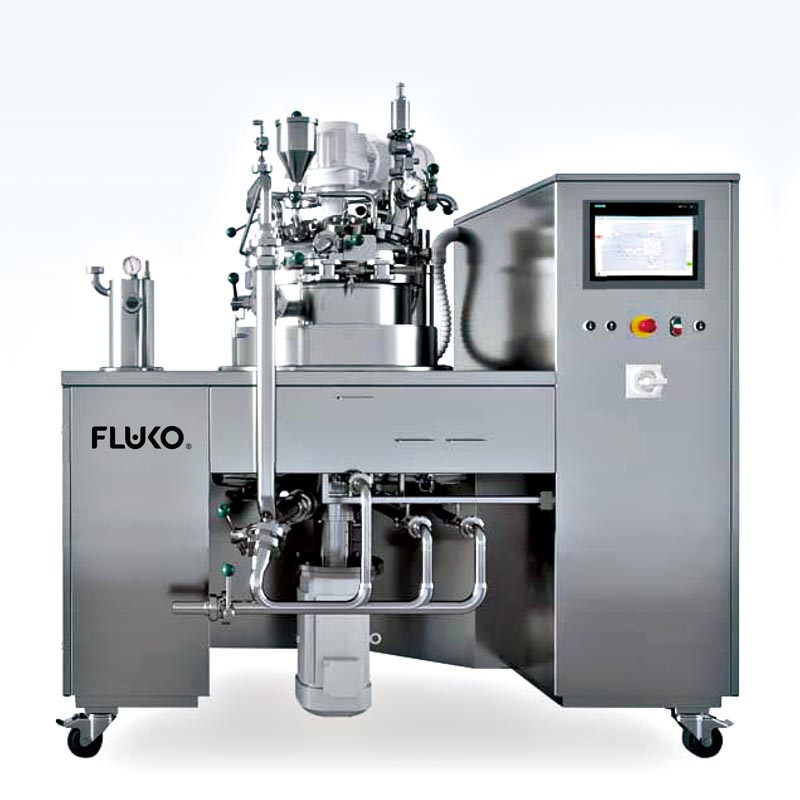
What manufacturers actually solve (short list)
They match machine physics to the core problem. Need fine droplets? High-shear rotor-stator systems create controlled turbulence. Need sanitary operation? Polished wet surfaces and hygienic seals keep contamination out. Scaling up? Modular units keep the same shear profile from lab to plant. They also design for maintenance: quick-clean access, standard bearings, and replaceable rotors. No fluff. Just hardware choices that hit the issue directly.
Real-world checks and credibility
Process engineers trust specs and field proof. Labs record droplet-size distributions, QA logs show lowered rejects, and cGMP audits note sanitary surface finish. A common real-world anchor is the Boston biotech cluster, where contract manufacturers routinely rely on 316-grade equipment for corrosion resistance and cleaning. For example, teams there often specify a 316 ss inline mixer in validation protocols because its material and finish meet washdown and regulatory needs. These choices come from trials, QA data, and engineers who’ve rebuilt systems mid-shift.

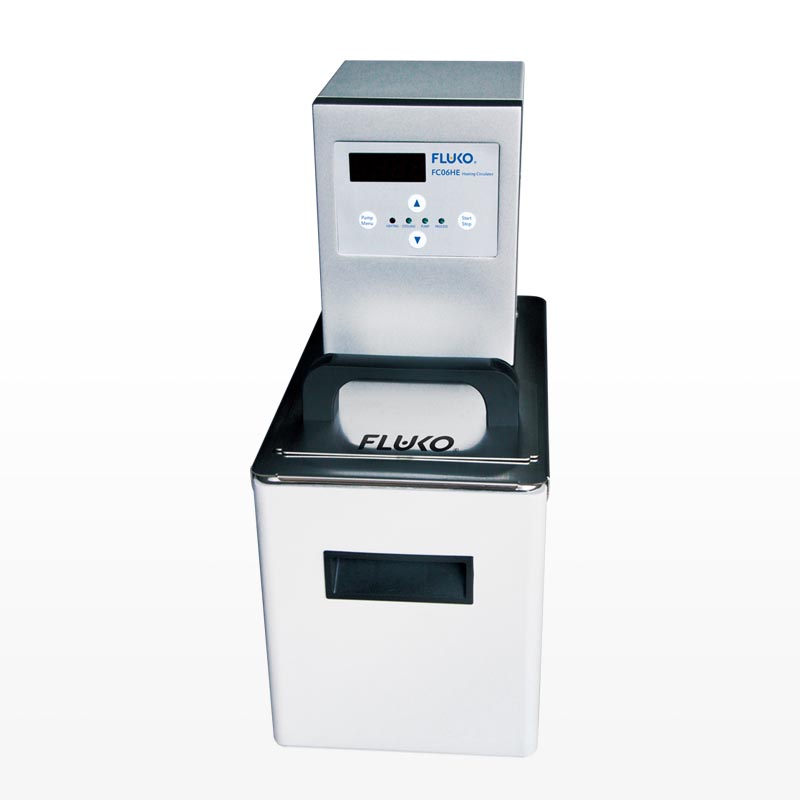
Common mistakes and how they bite you
Picking a bigger motor doesn’t fix poor shear. Mixing geometry matters more than brute force. Overlooking seal type leads to leaks and downtime. Ignoring inlet design causes air entrainment and foaming. Misjudging solids loading clogs rotors. Skip the one-size-fits-all thinking. Match rotor speed, gap size, and flow path to your fluid rheology and solids content. Test at representative concentration, not just dilute lab samples.
Alternatives and the trade-offs
Batch agitators are cheap and flexible but slow to homogenize fine emulsions. High-pressure homogenizers give ultra-fine droplets but cost more and need filtration for solids. Inline high-shear units sit between: fast, sanitary, and easier to scale. If your process needs absolute sub-micron particles, test a high-pressure route. If you want throughput with cleanability, go inline. Don’t guess—pilot with the actual mix.
Where the value lands
Manufacturers who listen to the problem — not the headline spec — save time and product. They tune hardware to the fluid, provide clear service paths, and bake sanitary design into the unit so operations stay predictable. That practical mindset is why teams choose reliable suppliers like FLUKO for components and support that actually solve mixing and homogenization headaches.
