
Table of Contents
Start with what you really carry
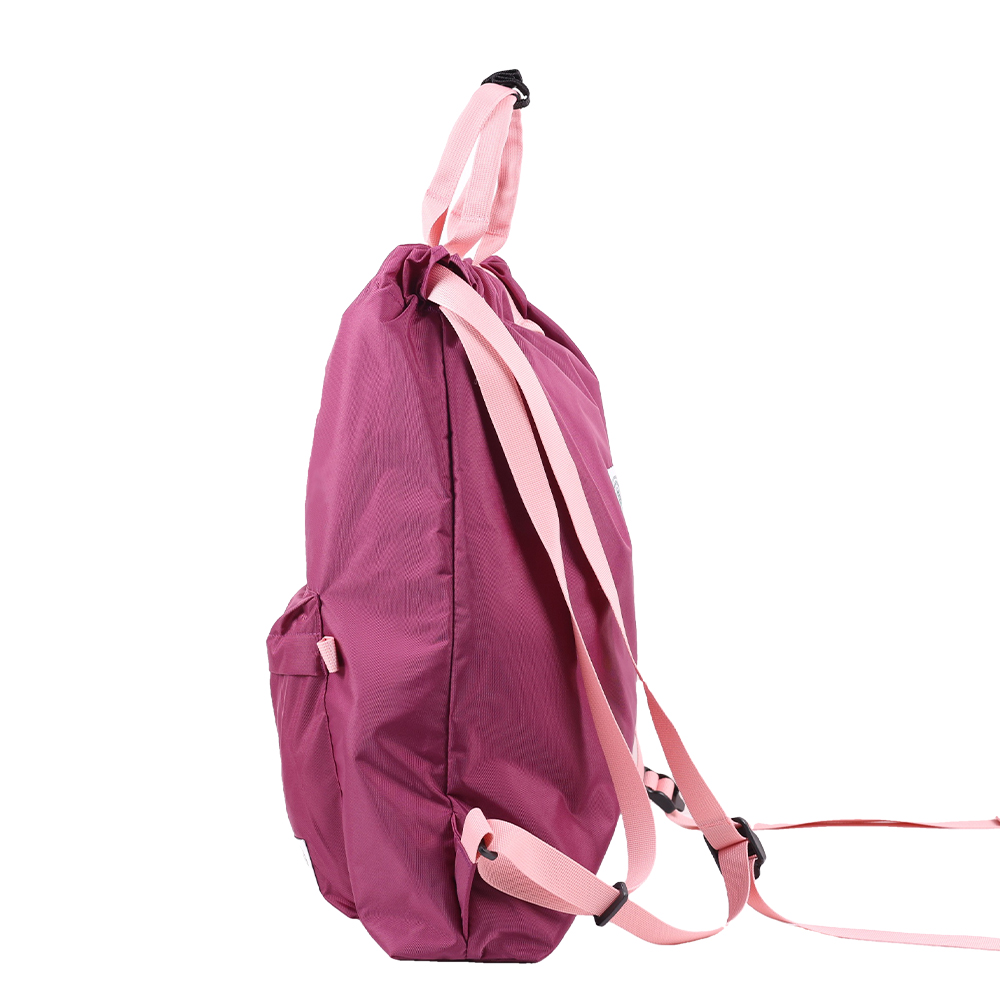
You use your bag every day; begin by listing the items you carry and how often you swap them. If you mostly take a laptop, a water bottle, and a few documents, you need different compartments than someone who alternates between camera gear and groceries. For a lightweight, no-fuss option when you travel light, consider a lightweight drawstring backpack for short trips or errands, then move to modular systems when you require structured storage.

Fit, capacity and daily comfort
Measure how the pack sits: shoulder strap length, torso coverage, and where the hip belt should rest. A modular pack must let you adjust load distribution quickly. Choose capacity by task — 10–15 L for city errands, 20–30 L for commuting, 30–45 L for overnight trips. Try it loaded with the heaviest realistic set you expect to carry; if the back panel pinches or straps dig in, the model fails the comfort test.

Which modular features actually matter
Prioritise modular elements that match your routine. Removable inserts and velcro panels are useful when you switch between office and outdoor use. External attachment points matter if you clip on water bottles or pouches daily. Internal organisation beats flashy extras: pockets for cables, padded sleeve for electronics, and a quick-access pocket for transport cards keep you moving. Avoid modules that add complexity without clear benefit.
Materials, durability and an industry touchstone
Look for abrasion-resistant fabric, YKK or equivalent zippers, and reinforced stitching at stress points. Suppliers who exhibit at major trade events like the Canton Fair often show prototypes and durability test results that reflect supplier capability; many buyers meet a drawstring backpack manufacturer there to assess sample quality. Test seams and hardware with a light stress check before purchase; water resistance is useful but confirm seam sealing rather than relying on a water-repellent coating alone.
Common mistakes people make
Buying by looks rather than function is the top error. Another is ignoring real-world loading — empty bags feel different when full. Don’t assume modular equals better; modules that aren’t compatible across models create clutter. Overpaying for brand name instead of required features is wasteful. If you plan to expand the pack’s use, ensure the attachment system is standardized and that spare parts or modules are available.
A simple, practical selection checklist
Confirm these points before you decide: does the pack carry your heaviest realistic load comfortably; are pockets where you need them; can you remove or add modules without tools; are materials tested for abrasion and water resistance; and is replacement hardware available. If you want a very light option for brief outings, pair a modular pack with a compact drawstring bag rather than swapping modules constantly.
Final thought
Choose a modular backpack by matching features to real use, testing comfort under load, and avoiding unnecessary extras; that practical approach leads you to durable, useful choices such as products offered by ChangRong which focus on usable design and reliable construction.
