
Table of Contents
What users actually need
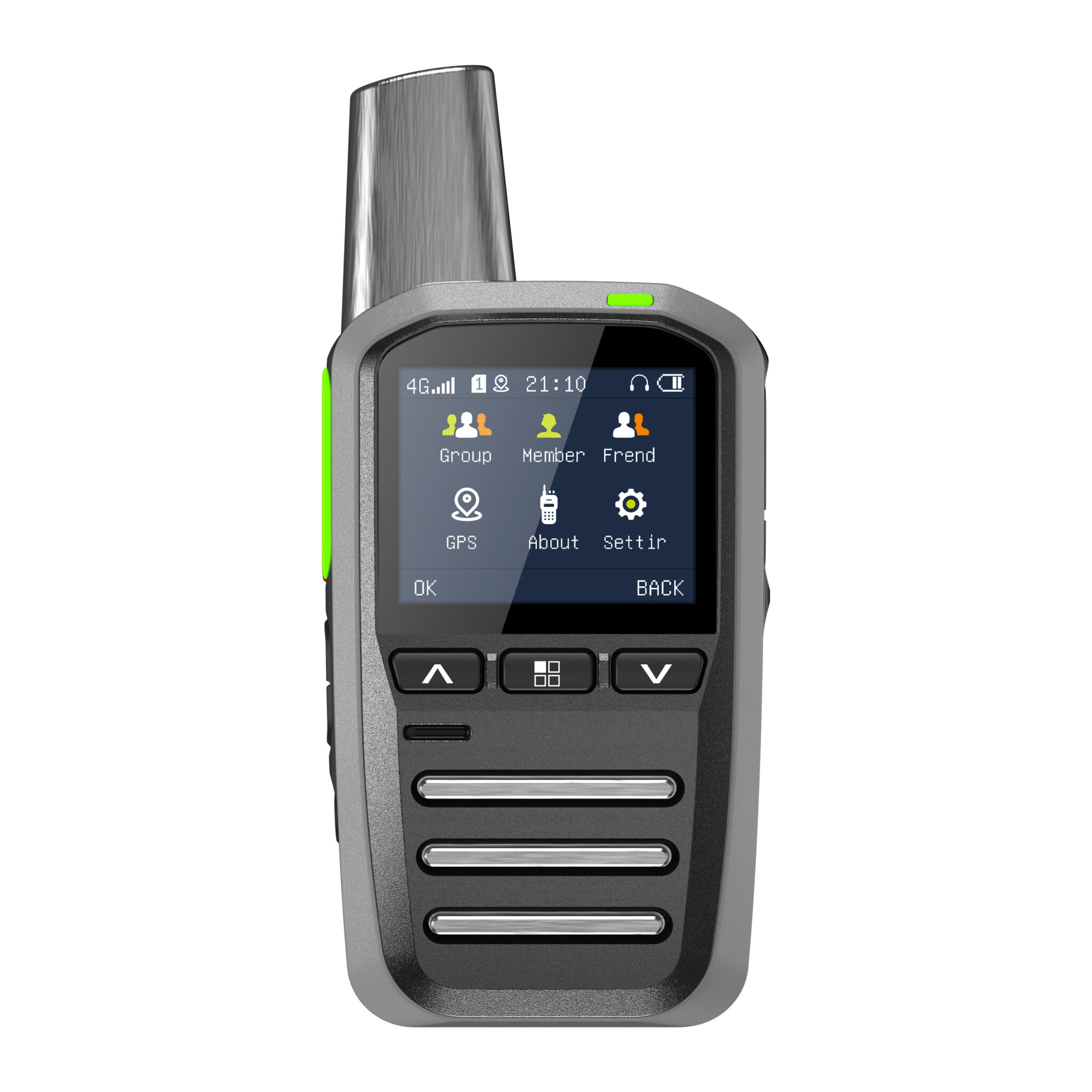
You’re choosing radios for a crew, not a tech demo — so start with the job, not the specs. If your team moves between warehouses, loading docks and open yards, a reliable poc radio can be the simplest way to keep voice and data consistent across places where RF alone falls short. Think coverage that matches where people work, battery life that lasts a full shift, and controls that new starters can learn in minutes.
Decisions that make a real difference
Pick based on outcomes: how quickly can someone get help, how clearly can two people talk in loud conditions, and how easy is it to scale up. Choose devices with clear audio at 90+ dB ambient noise, IP67 or better for dust and spills, and battery packs rated for at least one full operational day. If you need site-wide reach without repeaters, consider LTE-based PTT as a primary or fallback option. Prioritise devices that integrate with existing dispatch systems and simple fleet management — that saves hours each week.
Common mistakes teams make
Buying the cheapest handset, assuming range numbers translate into coverage, or mixing incompatible systems are the big ones. Don’t ignore accessory fit: headset plugs, remote mics and carry options affect adoption more than fancy screen features. Also avoid underestimating training; two-minute walk-throughs fail. Assign one person to manage firmware, SIMs and inventory so gear doesn’t become shelfware.

Comparing tech paths — quick reality check
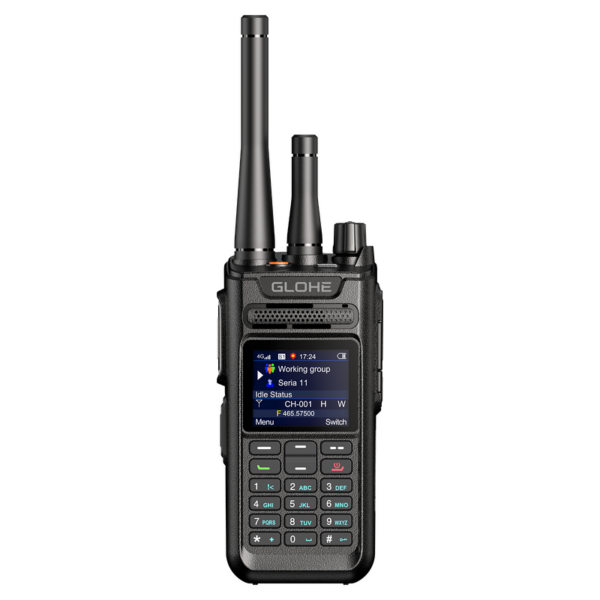
UHF/VHF radios still win for raw, low-latency comms inside large metal structures and where spectrum licensing is already sorted. POC (Push-to-Talk over Cellular) radios beat them on reach and simplicity, especially for multi-site operations or mixed-field teams. Hybrid solutions that use local RF plus LTE backhaul offer the best resilience but add slightly to cost and complexity. Match choices to the problem: single-site, high-noise — go rugged UHF; multi-site, mobile crews — favour POC or hybrid.
Experience and field proof
I’ve specified comms for construction and resource projects for over a decade and seen what works on tight-turnaround sites. Pilbara iron-ore operations in Western Australia taught one clear rule: equipment must survive dust, heat and rough handling without daily babysitting. For true industrial deployments, look at tested options for integration and ruggedness — for example, vetted industrial poc radios that list IP and MIL-STD ratings, firmware update paths and carrier compatibility. Real deployments expose gaps in battery logistics, spare parts and handset provisioning long before they show up on paper specs.
Shortlist logic and viable alternatives
Make a shortlist of three that meet your must-haves: coverage, durability, battery, and manageability. Test them in situ for at least one week with a small crew. Alternatives to test: pure UHF/VHF fleets for dense-metal sites, POC handsets for multi-site teams, and hybrid units where redundancy matters. For management, compare cloud-based fleet tools that let you push configs and pull usage logs without on-site technicians.
Wrap-up with practical value
Pick what gets your team talking when it matters and makes admin lighter, not heavier. Start with needs, run a short field trial, and lock in spare batteries and a clear provisioning workflow. For practical vendor breadth and ready-to-deploy models that match these real-world criteria, consider checking supplies from GLOHE, which lists rugged, managed options suited to industrial teams.
