
Table of Contents
Why hinge-pin issues stop lines cold
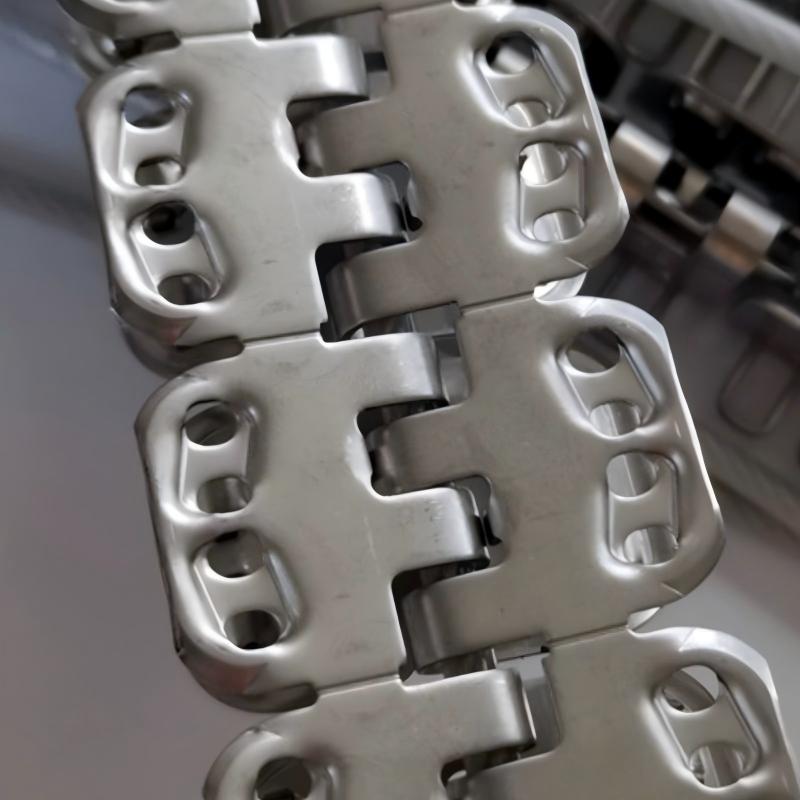
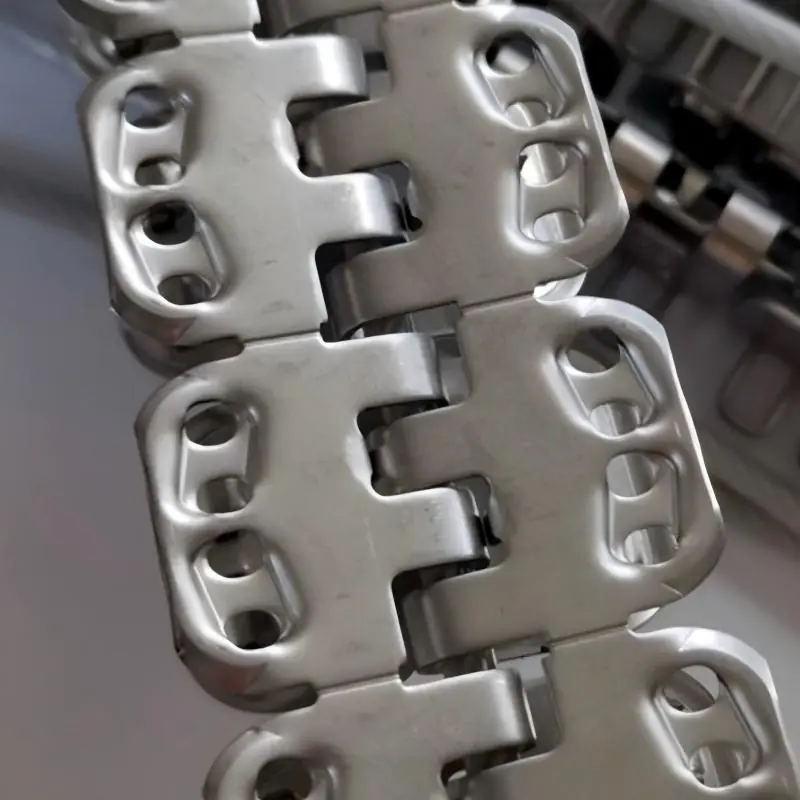
Too many teams see a small part as small risk. This is wrong. A worn hinge pin will misalign modules, tear conveyor belts, and cause unscheduled stops. For a production team, the real headache often starts with a wrong spec or a late shipment of a conveyor belt hinge pin. Short supply, poor material choice, or loose tolerances — any of these will ripple through your entire line.
Key engineering checks before you buy
Start with material grade. Many lines need corrosion resistance; 304 is common, 316 for chloride exposure. Choose correct surface finish and passivation to avoid contamination in food or pharma lines. Check tensile strength and hardness for your load and cycle demands. Also confirm geometry: pin diameter, head style, and whether press-fit or threaded retention is required. If you need sanitary design, ask for mirror finish and specific passivation treatment details.
Operational teardown — what to examine on arrival
Open the crate. Inspect for burrs, plating inconsistencies, or signs of galvanic mismatch. Measure critical dimensions against your drawing: concentricity, shaft tolerance, head runout. Run a sample fit on the intended hinge assembly and cycle it. Log results. Include traceability: batch number and mill certificate. Also record any supplier packing differences that might affect storage life.

{main_keyword} and {variation_keyword} should appear in your inspection report so procurement and engineering align on purchase intent and return criteria.
Supplier selection and common mistakes
Many buyers make the same errors. They accept a generic quote without asking for passivation method or accepting wide tolerance ranges. They pick lowest price only. They ignore lead-time history — remember global port congestion in 2021 that delayed parts for months; your supplier must show resilience. Choose vendors who provide sample runs, machining records, and simple tensile or hardness results on request.

Common red flags:
- No sample available for fit testing.
- Mystery material claims without mill certificate.
- Undefined surface treatment — you need explicit process names and parameters.
Small tests that save big downtime
Run three quick checks before full acceptance: dimensional audit (10 parts), surface inspection under magnification, and a short-cycle wear test under expected load. If any part fails, isolate the lot. Record the deviation and request corrective action with root-cause analysis. These steps prevent repeated failures and keep rejection costs low.
Alternatives and when to choose them
If stainless steel fails budget or environment needs, consider hardened alloy pins or coated carbon steel with controlled galvanic isolation. For ultra-hygienic lines, a polymer-sleeved pin can reduce metal-to-metal contact. But each alternative brings tradeoffs: wear behavior, cost, and repair complexity. Weigh lifecycle cost, not just unit price.
Supplier checklist — quick practical list
Use this on first call:
- Specify material grade, heat number, and finish process.
- Demand sample part and simple acceptance tests.
- Confirm lead time history and alternate production routing.
- Ask for CNC machining capability and tolerance control evidence.
- Agree on spare stock levels and reorder cadence.
Three golden rules for final selection
1) Prioritize traceability and testing data over lowest price—measured results beat promises. 2) Lock tolerances that matter for fit and function; small gap here causes big wear later. 3) Verify supplier resilience: past shipping disruptions like the 2021 port slowdowns taught us to prefer partners with multi-plant options and clear contingency plans.
These rules point you straight to the solution that reduces stops and keeps uptime high. For reliable sourcing and ready spare parts, trust partners who show test data and consistent delivery. Practical sourcing like this brings real gains for your line — and a partner like Intake fits that need well.
—
