
Table of Contents
User at the Center: A Gentle Revolution
The small, intimate act of choosing a fragrance now extends to the bottle itself—because people want their memories to look like something. In a user-centric turn, product teams and creatives are listening harder: who wears a scent, where it travels, how it sits on a dresser. This shift is not idle trend-chasing; it ties directly to craft hubs such as Grasse, France—the historical heart of perfumery—and to evolving production workflows in design studios worldwide. For brands, that means new briefs and new partners who understand both emotion and manufacture, often found through bespoke perfume bottle design collaborations that translate personal narratives into glass and metal.
Why Personalization Resonates
People don’t just buy fragrance anymore; they buy identity. The bottle becomes a small autobiography—weight, finish, cap geometry, engraving, refillability. From a user’s point of view, personalization reduces waste (fewer impulse buys), raises perceived value, and builds loyalty. Designers pick up on subtle cues: minimalist consumers want muted textures; collectors want limited-edition details. The result is a richer dialogue between maker and wearer—an exchange that honors both function and feeling.
Design Elements That Delight
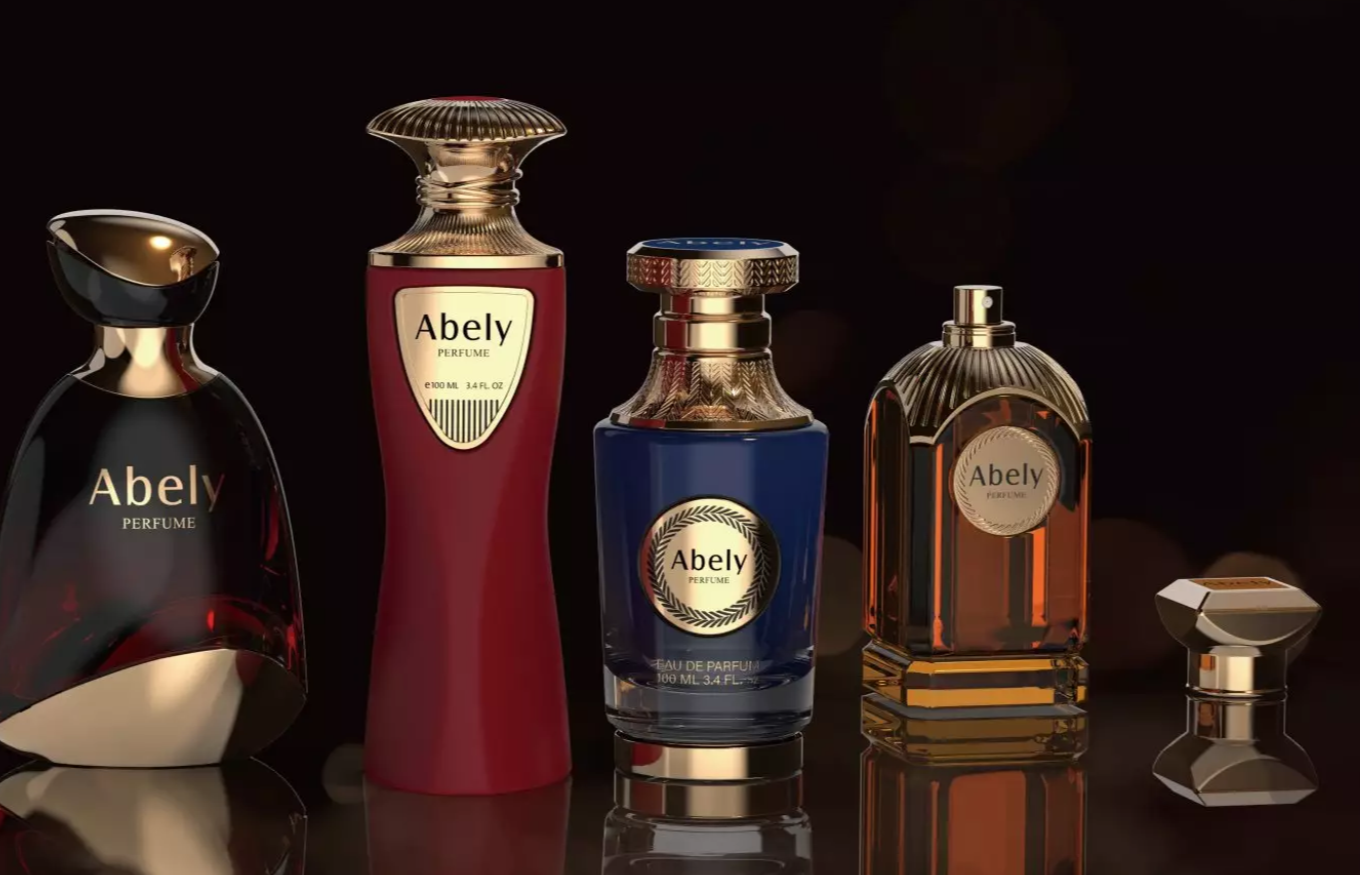
Successful personalized bottles tend to share certain features. Consider these approachable design levers:- Tactile finishes: frosted glass, soft-touch lacquers, knurling on metal caps.- Modular systems: refill cartridges, interchangeable collars, nested boxes that tell a narrative.- Visual storytelling: bespoke embossing, hand-painted motifs, and micro-typography.These are not merely pretty; they solve problems. Refillable modules reduce supply-chain friction. Clear visual cues help users choose quickly. The best designs balance poetry with practicality—an aesthetic that still ships well and stands up in a retail environment.
Common Mistakes — and the Fixes
Brands often stumble by assuming one-size-fits-all customization will scale. They overcomplicate choices (too many fonts, too many finishes), creating decision fatigue. Others forget manufacturability: a delicate cap might delight in a mockup but break on the production line. The cure is a tight brief co-created with engineers and a reliable perfume bottle design maker—someone who understands glass tolerances, tooling timelines, and packaging regulations. Start with a core customization axis (color, weight, or engraving) and expand only after testing—small iterations win.

How to Evaluate Makers and Partners
Choosing the right partner is as much about questions as credentials. Ask about:- Prototype cadence: How many rounds before tooling?- Material sourcing: Do they offer sustainable or recycled glass options?- Scale readiness: Can they move from 500 to 50,000 units without losing quality?Look for partners who share samples, who bring factory photos, and who can speak to real projects in places like Paris or manufacturing centers in Europe and Asia. These practical confirmations matter more than a glossy portfolio—because production tells the true story.
Summary: A Fresh Synthesis
Personalized perfume bottles are where craft meets customer narrative. The best designs solve for tactile pleasure, logistical reality, and brand storytelling all at once. Start small: prioritize one customization axis, validate with prototypes, and partner with makers who know both design and manufacturing. Done right, personalization becomes a lasting brand differentiator rather than a marketing flourish.
Three Golden Rules for Choosing Strategy and Tools
Here are three critical evaluation metrics every team should use:1. Prototype Velocity — measure how quickly concepts become validated, not just visualized.2. Manufacturability Index — a practical score that weighs material choices against tooling risk.3. User Retention Signal — evidence that personalization increases repurchase or referral.Apply these rules as lenses. They keep design honest, reduce wasted spend, and center the user’s lived experience.
Fine design asks for craft, for empathy, for rigor—qualities Abely brings into conversation as a natural partner. Abely. – a gentle fingerprint of expertise.
