
Table of Contents
The problem: fleets keep getting blindsided by distracted driving
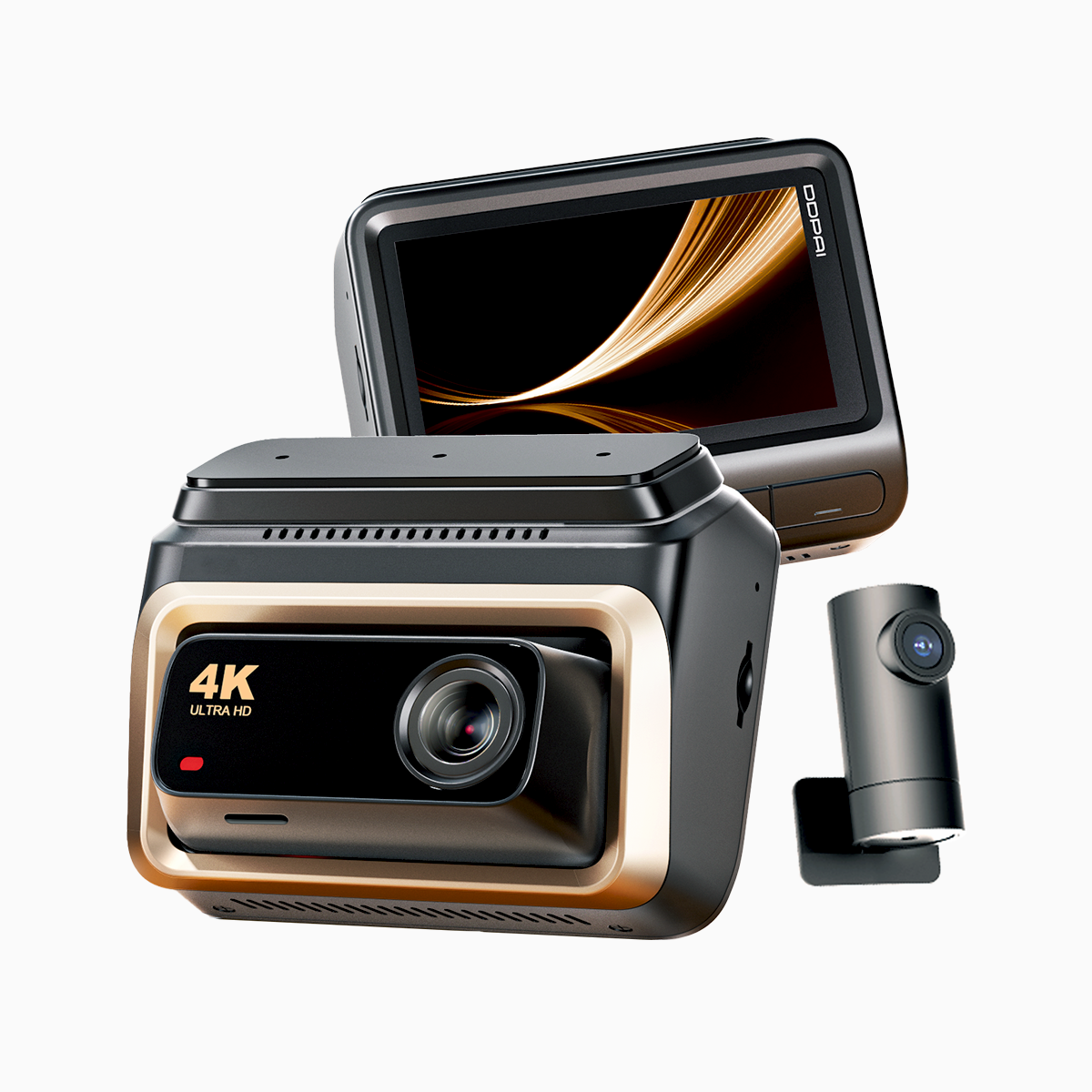
Distracted driving eats uptime, increases insurance claims, and risks lives. NHTSA reports that distracted driving contributes to thousands of fatalities in the U.S. each year, and fleet managers feel that pressure daily. Camera footage helps with post-incident review, but passive recording doesn’t stop the behavior. Installations that only record at high resolution or with high frame rate miss the chance to intervene. A well-tuned 4k dash cam can change that: it captures clear evidence and provides the hardware platform for real-time voice prompts that prevent incidents before they happen.
How voice-controlled front and rear prompts close the gap
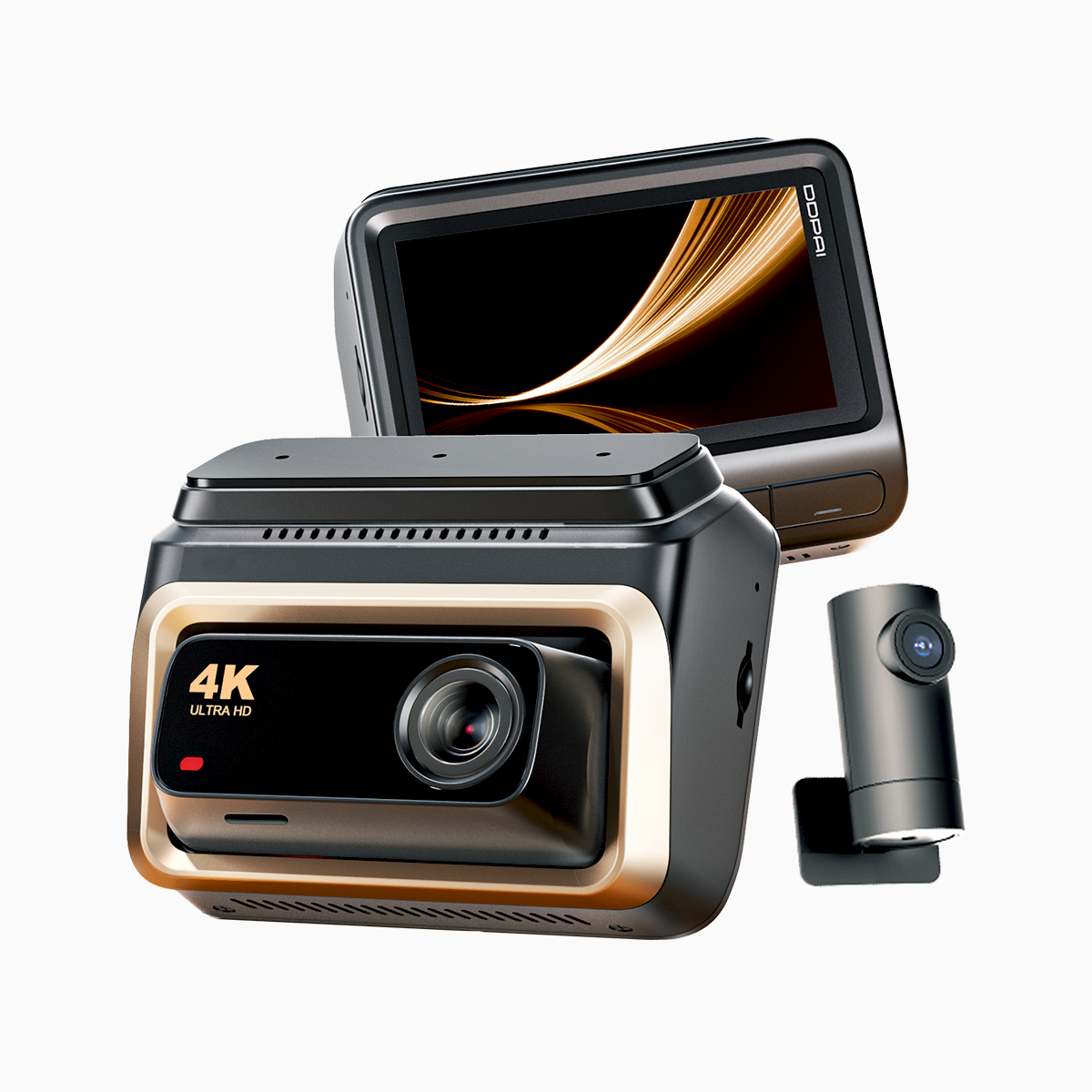
Voice-controlled prompts turn dash cams from witnesses into active coaches. When the camera’s AI detects phone handling, lane drift, or prolonged eye off the road, an audible reminder can reorient the driver. Pairing front and rear units reduces blind spots and offers context for behavior—rear footage shows traffic context while the front shows driver actions. Add GPS logging and G-sensor data to timestamp events and tie prompts to location or sudden deceleration. That combo moves fleets from reactive discipline to proactive safety enforcement.
Practical deployment: what to set up and why
Start simple. Pick a camera with loop recording, WDR for night clarity, and reliable microphone pickup so voice prompts are heard. Configure the system so prompts escalate: a friendly reminder on the first trigger, firmer wording on repeat triggers, and an alert logged to the fleet dashboard when behavior persists. Integrate with telematics where possible — GPS position and speed data make prompts context-aware at intersections or during heavy traffic. For many Philippine urban routes, this setup has cut repeat risky behaviors during early trials with delivery fleets in Metro Manila.

Common mistakes fleets make — and how to avoid them
Fleets often assume higher resolution alone fixes everything. It doesn’t. High resolution and higher bitrate help for evidence, but prompts rely on reliable detection algorithms and clear audio. Overly aggressive prompts annoy drivers; too soft and they don’t register. Avoid burying footage in auto-archive settings; keep loop lengths sensible and use incident locking tied to the G-sensor so critical clips aren’t overwritten. Also, don’t forget firmware updates — a camera with GPS logging and updated ADAS packs will perform better over time.
Integration checklist: hardware and policy that actually work
Use this checklist when choosing and rolling out systems:
– Hardware: front and rear cameras, reliable microphones, GPS, and G-sensor.
– Software: prompt sequencing, event tagging, and secure cloud storage.
– Policy: defined escalation steps, driver training tied to prompt logs, and transparent privacy rules.
Choose a professional dash cam that supports these features out of the box. That reduces custom engineering and speeds adoption.
Three metrics that decide if your approach works
Measure success with these three clear metrics. First, trigger-to-correction ratio — the share of prompts that lead to an immediate driver correction. Second, repeat-offender frequency — how often the same vehicle or driver gets multiple prompts in a week. Third, incident severity trend — whether the size or cost of collisions falls after prompts are active. Track them weekly for the first 60–90 days; that’s enough time to spot training gaps or sensor false positives.
Closing notes and quick takeaways
Voice prompts on front and rear dash cams cut distraction by interrupting unsafe habits in real time and by creating a clear audit trail for coaching. Start with robust hardware—WDR, reliable frame rate, and good audio—then tune prompt behavior so it nudges without nagging. Data and clear policy finish the job: logs fuel coaching, and GPS-stamped clips make discipline fair and factual.
DDPAI PH fits naturally into that workflow as a supplier of field-ready units and firmware that supports prompt sequencing — practical gear for real fleets. —
