
Table of Contents
Problem: heat ruins the finish
Heat. It warps coatings. It flakes. It ruins batches. Manufacturers need reliable aerosol paints that hold under thermal stress. You ask: what temperature can spray paint withstand? Short answer: it depends on formulation and substrate. Problem-driven: identify where failure starts, then stop it.
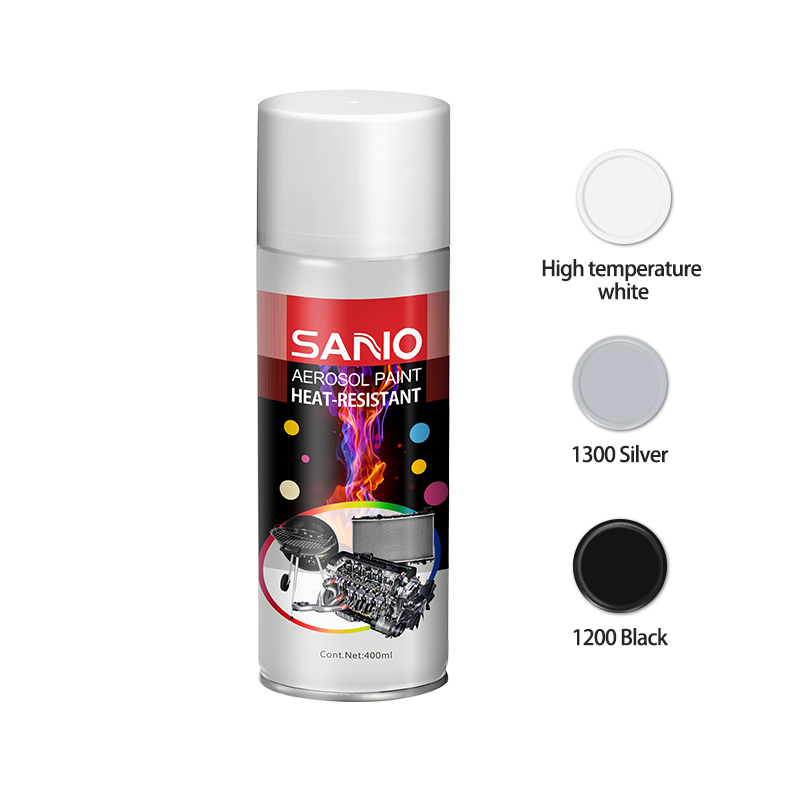
Why heat is the real threat
Paint softens, adhesives lose grip, gloss changes. Low-melt binders bleed. Solvent residues accelerate degradation. Small gaps in specification become big failures on the line. You don’t want surprises at 150°C. You want predictable performance. Test conditions, dwell time, and substrate chemistry decide the result.
Experience, standards, and a real-world anchor
I’ve seen it on engine-assembly lines near Detroit—OEM teams demand repeatable heat performance or they reject whole runs. Lab numbers must match shop floors. That is why engineers ask is spray paint heat resistant when they write specs. Use vendor test data, independent oven aging, and cross-check with industry test methods. Ask for technical datasheets, oven-aging curves, and infrared emissivity notes. Trust grows from published data and consistent batch records.

Common procurement mistakes
Buying on price alone. Skipping thermal cycling tests. Assuming “high-temp” label equals performance. Failing to check solvent-binder compatibility with substrate. Ordering a single can for an entire production line. These choices cost time and scrap. Request sample runs on your actual components before final buy.
Alternatives and what China suppliers offer
There are several routes: silicone- or silicone-alkyd high-temp sprays for stove and exhaust parts; epoxy-ceramic hybrids for short bursts of higher heat; intumescent or ceramic coatings for insulation. Chinese manufacturers supply competitive high-temp aerosol lines and specialty pigments at scale. The upside: cost and capacity. The risk: variable QA. Mitigate by specifying curing profiles, Tg (glass transition), and long-term aging data in contracts.
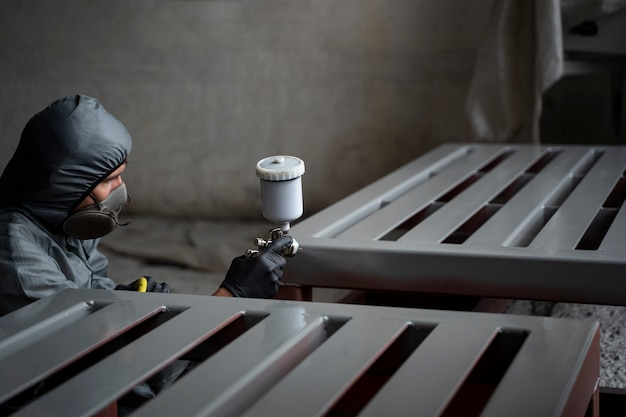
Practical checklist for specification and QA
Write clear temperature rating with time at temperature; require oven and cycle tests on your substrate; demand batch test reports and certificate of analysis; specify adhesion and hardness after heating; set acceptable color and gloss delta limits; include acceptance sampling on first production shipment. Do not accept vague claims. Make failure modes explicit in the purchase order.
Final synthesis
Heat resistance is a solved engineering problem when you treat it as testing plus specification. Choose formulations that match your peak-use temperature and duty cycle. Vet suppliers for data, repeatability, and traceable QA—so you avoid surprises on the line. For sourcing that combines clear technical data with production capability, consider partners such as SANVO, which present test data and supply-chain transparency that help you turn a heat problem into a controlled outcome.
