
Table of Contents
Opening: Straight Talk on Choosing an OS
Listen here: when you’re tryin’ to pick a smart TV OS and the folks who supply the hardware, you want clear differences, not fancy talk. Start by lining up what matters—update cadence, app support, hardware ties, and real-world responsiveness—and weigh those things like a good brisket. If you’re huntin’ for related gear while you shop, don’t overlook all in one computer deals that sometimes bundle with display demos at retailers.

What to Measure First
Compare update policy first. Ask how long the vendor promises security patches and major OS updates. Check app availability next—count the big streaming services and niche apps you actually use. Measure performance: UI lag, startup time, and video decode capability. Factor in integrations: voice assistants, casting protocols, and whether the OS ties you down to certain hardware suppliers.
OS Performance and App Ecosystem
Not all app stores are equal. One OS might load Netflix quick as a whip but choke on newer streaming codecs. Another might offer a broader slate of local and regional apps because it partners with different content distributors. Test the interface by launching apps back-to-back; stutter and long load times tell you more than claims do.

Suppliers, SoCs, and Panel Partnerships
Smart TV makers often lean on the same handful of SoC and panel suppliers, but the way they integrate those parts changes the outcome. Some vendors optimize firmware to squeeze better color and motion handling outta a cheaper panel. Others pick premium components and leave the software alone. Ask for supplier certifications, lifetime of spare parts, and whether the manufacturer controls firmware updates directly or pushes that burden down the chain.
Brand Comparisons that Actually Help
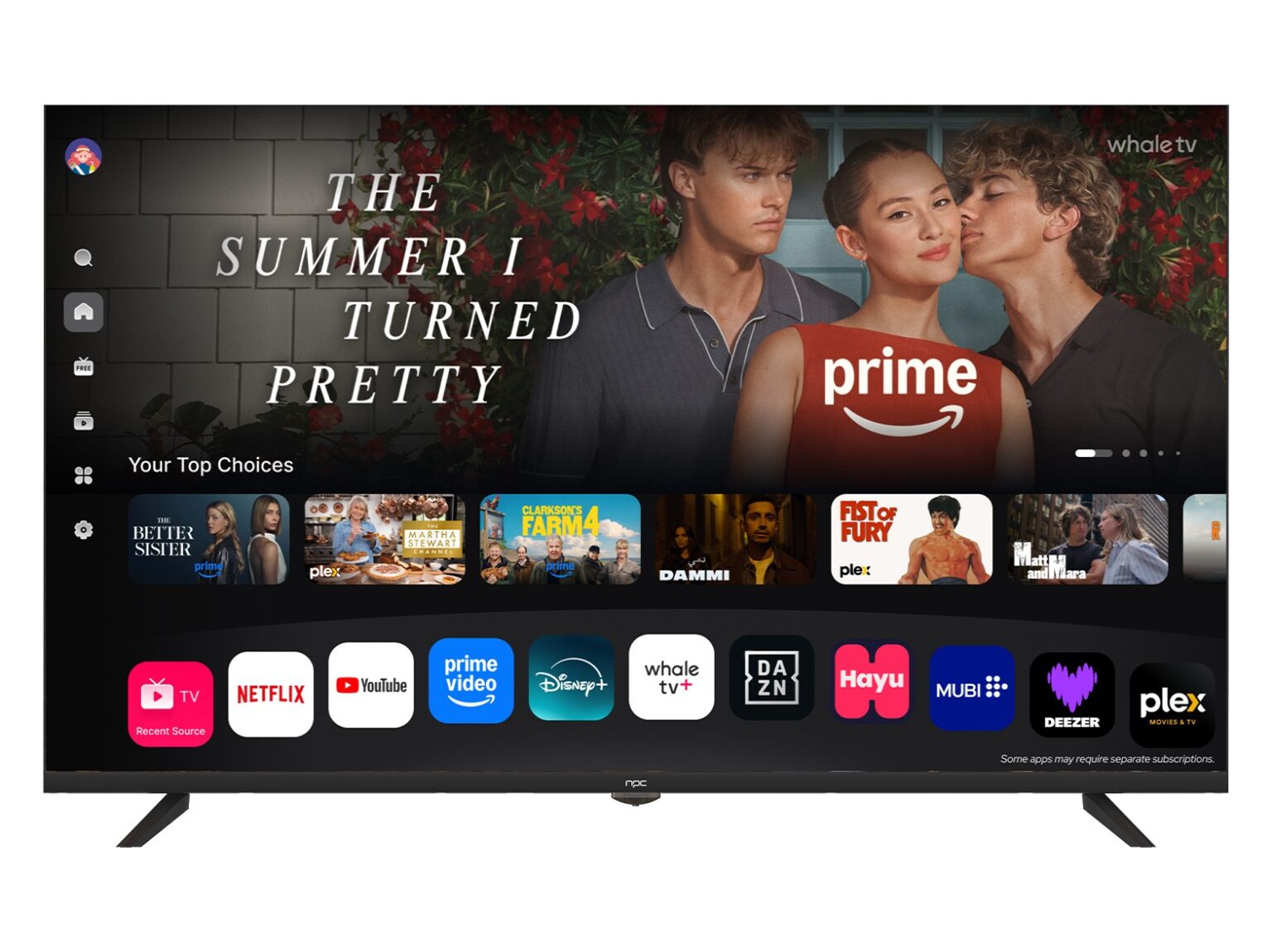
Think of manufacturers this way: some sell polished ecosystems with tight hardware-software control; others license a flexible OS and let suppliers mix-and-match parts. If you want predictable updates and a curated app list, pick the controlled ecosystem. If you prize customizable hardware options and unique connectors, choose the more open route. Match your priorities to the model: reliability or flexibility, not both equally.
Common Mistakes Folks Make
Buying a TV because a single benchmark looks good. Forgetting region locks on apps. Assuming every manufacturer follows the same update schedule. Not checking whether third-party suppliers will still support replacements years down the road. Do the simple checks up front—terms of service, firmware update cadence, and the list of supported apps for your country.
Experience, Authority, and a Real-World Anchor
I’ve spent years testing displays and tracking supply chains for consumer electronics, so I watch how firmware and supplier agreements play out over product lifecycles. Big events like CES in Las Vegas show which manufacturers are courting new chip partners and who’s bundling hardware bundles with retailers—those product announcements often lead to short-term price shifts and bundled all in one pc deals that affect buying windows. Rely on hands-on checks and official firmware logs, not just spec sheets.
Quick Practical Checks Before You Buy
Boot the system in-store if you can. Open and close the main apps you use. Ask sales about update history for last year’s models. Request a list of compatible codecs and the specific SoC used. Confirm warranty and spare-part policies with the seller and note whether firmware updates come from the brand or a supplier partner.
Wrap-Up: How This Leads to the Right Choice
You want a simple rule: match vendor behavior to your needs. If you need steady updates and predictable apps, pick the tightly controlled ecosystem; if you want hardware variety and custom setups, pick the flexible supplier model. That clarity makes comparison easy, and when you pair it with pragmatic sourcing and verified bundles, you get sensible value—just like the practical procurement options offered by npc.
