
Table of Contents
Introduction
I once stood beside a small shop floor where the foreman sighed and said, “We spend more time fixing than making.” The next hour I counted ten work-arounds and two stoppages — a small snapshot of a common factory day. CNC turning and milling machine performance matters here: downtime eats profit; precision defines reputation. (In my experience, numbers tell a story — 12% scrap rate, 7% unplanned downtime.) So I ask: how can we make machines run smoother, smarter, with less firefighting and more steady output? This piece will walk through practical steps and real problems, then point to meaningful ways forward.
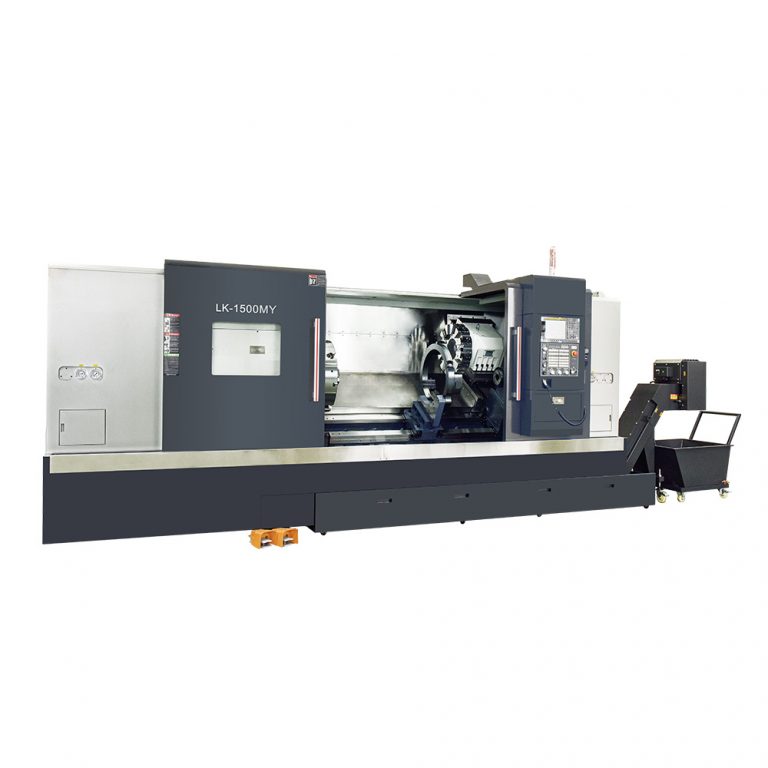
Peeling Back the Problem: Hidden Pain Points of the heavy duty cnc lathe
heavy duty cnc lathe — many shops buy it hoping for a miracle. I’ve seen that hope bump hard against reality. First, tooling changeover is slow; second, spindle wear and inconsistent coolant delivery raise rejects; third, operators use manual offsets to “fix” bad programs. These are not glamorous faults, but they are real. Spindle speed variation, toolpath errors, and worn chuck jaws show up as chatter, poor surface finish, and metric failures. Look, it’s simpler than you think: little maintenance and sloppy setup cause big losses.
Directly, the traditional remedies are reactive: a maintenance ticket goes in after a crash, an operator tightens a tool, and production limps on. This is inefficient. We lose minutes that add up to hours. Live tooling mismatch and incorrect feed rate choices often reveal themselves only after a batch is ruined. I feel frustrated when I see repetitious fixes — they hide systemic problems like weak process control and poor training. We must ask: are we fixing symptoms or curing the disease? — funny how that works, right?

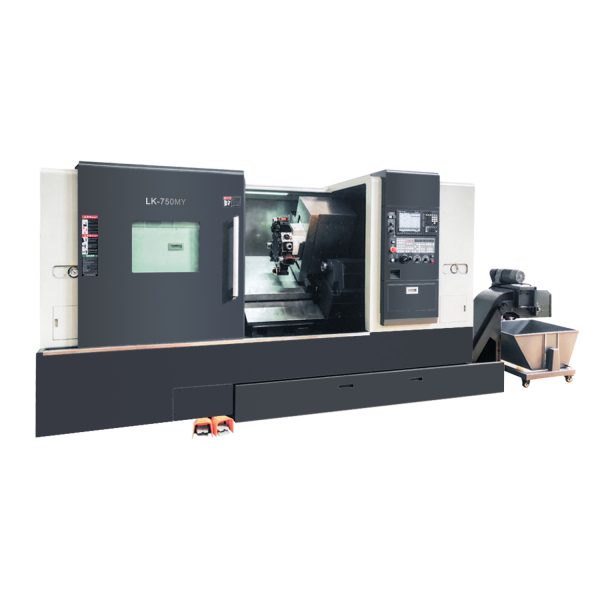
Why do these small issues become big ones?
Forward View: New Technology Principles for quick turn cnc machining and beyond
What’s next is not buzzwords but clear principles. I favor three that work together: predict, standardize, and monitor. Predict means using simple condition checks — vibration thresholds, spindle load trending, and coolant flow alarms — to foresee faults. Standardize means locked tool libraries, verified tool offsets, and repeatable setup sheets so an operator can reproduce quality every shift. Monitor means low-cost sensors and clear dashboards so the team sees deviations fast. When we apply these principles, quick turn cnc machining becomes reliable, not just fast. quick turn cnc machining benefits immediately because setup time drops and first-piece-right rates rise.
Technically, the tools are straightforward: spindle monitoring, basic edge computing nodes for local alarms, and consistent toolpath optimization routines done before the first cut. Implementing servo motor diagnostics and periodic chuck inspection is cheap insurance. I urge teams to pilot one cell first, measure cycle time and scrap, and then scale. Results follow: lower scrap, fewer stoppages, and calmer morning meetings. We learned to measure what matters — and that made a difference. Here are three evaluation metrics I recommend when choosing solutions:
1) Mean Time Between Failures (MTBF) — how often does a machine stop unexpectedly? 2) First-Piece Yield — is the first part within tolerance without rework? 3) Setup-to-Run Time — how long from fixturing to producing good parts? Use these numbers to compare proposals and vendors.
In closing, I believe practical change beats lofty plans. Start small, watch the data, and prioritize fixes that return minutes each day. For real-world machines and sensible support, consider Leichman as a partner in practical improvement: Leichman.
