
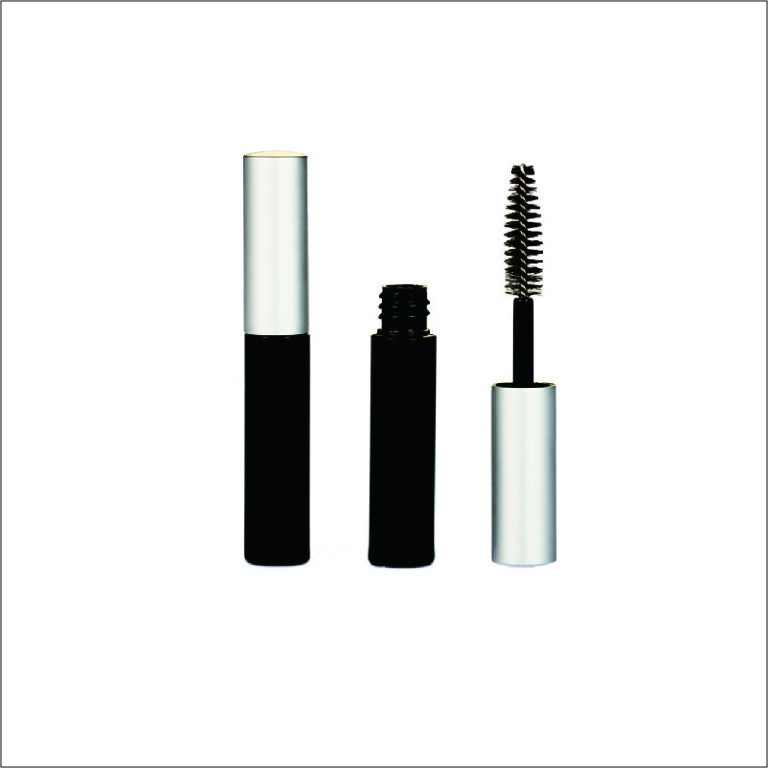
Table of Contents
Introduction
A buyer calls with a rush brief, and the launch clock starts ticking. Many teams rush into empty mascara tubes wholesale and hope the math will save them. In reality, choosing the right partner—especially when working with mascara tube manufacturers—can make or break the rollout (pole pole, but steady). Recent audits show that up to 38% of beauty delays come from packaging mismatches: wands that shed fibres, wipers with wrong friction, or caps that fail torque after transit. We see the same pattern: hurried vetting, a pretty sample, then post-fill leakage because the injection molding gate left microburrs that a simple leak test missed. The numbers are sobering, but they point to a fixable gap. If the work is structured, costs drop and quality rises—funny how that works, right?
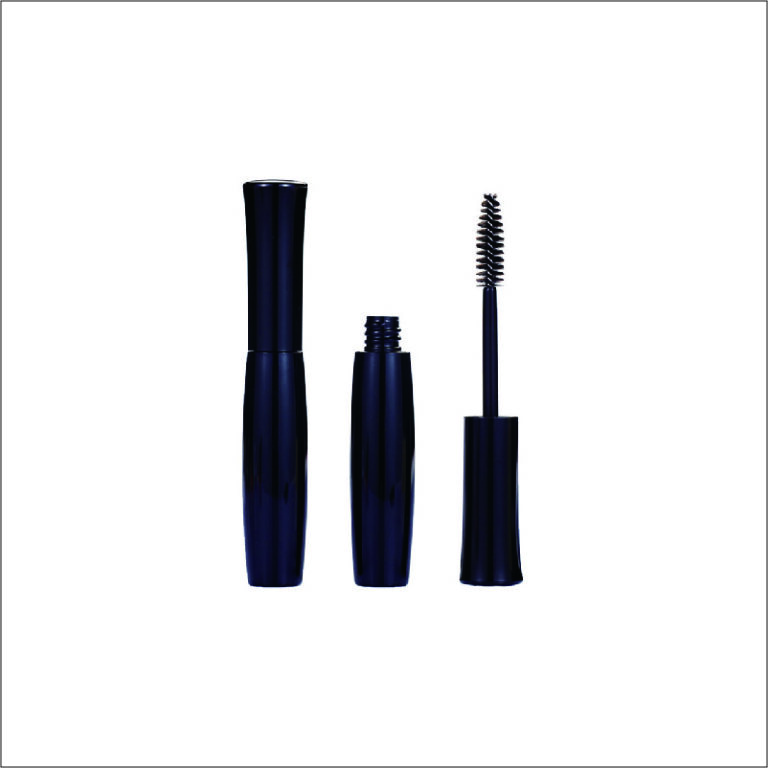
So here is the hard question: do you really know how to compare suppliers beyond unit price and glossy photos? In Kenya we say, haraka haraka haina baraka; rushed sourcing brings poor outcomes. Let us map the blind spots, set clear checks, and help your team ask the right questions. Then we will weigh old methods against new tools. Onward.
Deeper Layer: Why the Old Vetting Methods Keep Failing
Why do traditional checks fail?
Most teams still do “pretty sample + COA + price” vetting. It feels safe. Yet the risk sits deeper, in process control and consistency over time. Look, it’s simpler than you think. The usual buyer kit rarely measures tolerance stack across cap, stem, wiper, and bottle. A mascara system is a chain. If the stem OD drifts 0.05 mm and the wiper lip relaxes under heat, your rheology shifts at the brush and the consumer sees clumps. Traditional checklists do not stress-test this chain. They skip lifecycle tests like capillary hold after 1,000 strokes, or vacuum decay at elevated temps after vibration. They also ignore resin variability; PP and PETG lots can move in flow index and change injection molding tolerances. Add transit shock and humidity, and a perfect lab sample becomes a leaker in the field.

Another gap is the paperwork trap. Teams collect ISO 22716 claims but do not verify process capability. You need data, not only certificates. Ask for SPC charts on neck thread pitch and pull-off force; request lot-level wiper friction curves; review torque retention after 72-hour heat soak. Without supply chain traceability—unique lot codes, retained samples, and time-stamped molds—root-cause is guesswork. That is when delays grow, and rework costs spike. Fancy brochures do not measure anything, and power converters and lights on a line do not equal control. What measures matters.
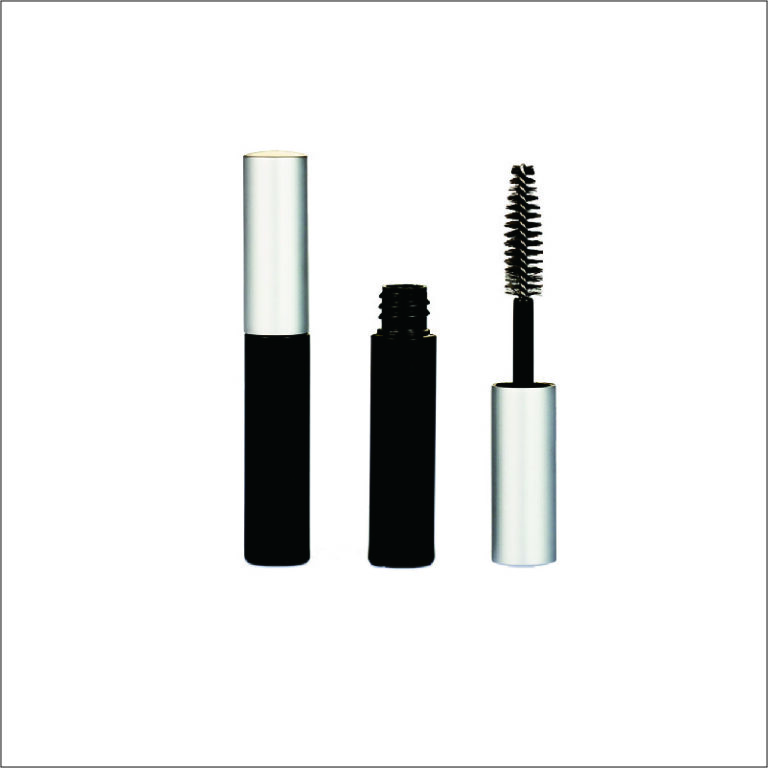
Forward-Looking: New Principles for Smarter Sourcing
What’s Next
We can compare partners in a cleaner, future-proof way. Instead of judging by price first, judge by signals of control. A strong china empty mascara tube manufacturer will show real-time quality evidence. Think new technology principles: shop-floor SPC tied to MES, digital twins of mold cavities to predict shrink, and edge computing nodes that flag drift in wiper lip geometry before a human notices. Even simple QR serialization can link your filled batch back to resin lot and mold insert. When a variance appears, you see it in hours, not after a region-wide return. The good news is that these tools scale. They are not only for giants. A modest line can run torque analytics, vacuum decay leak tests, and camera checks on brush flare—fast, quiet, reliable.
Let us compare old versus new, without jargon. Old way: one golden sample, then hope. New way: continuous proof, with alerts when Cpk dips. Old way: request a COA. New way: view the process window live (even a weekly PDF helps). Old way: visual check of the flocking. New way: image metrics for fibre density and length. The outcome is calmer launches and fewer surprise claims—funny how that works, right? In brief, your partner should translate complexity into stable outputs. If they speak about torque testing, wiper friction, and leak testing as a system, you are on track. If they can show mold maintenance logs and change-control histories, even better. And if they can tell you how they mitigate oxygen ingress during fill and seal, you are listening to a builder, not a brochure.
Here are three practical metrics to guide your choice: (1) Process capability: show Cpk ≥1.33 on neck threads, stem OD, and wiper ID, with 3-month trend; (2) Traceability depth: full lot genealogy from resin to finished tube, with retained samples and corrective action timelines; (3) Stress-test suite: torque retention, vacuum decay, and high/low temp cycling with pass/fail limits published in advance. Measure these, and cost talks will be calmer. The rest follows—volume, freight, even energy on lines powered by efficient drives, not just big power converters. Keep it steady, keep it clean, and choose partners who prove, not promise. NAVI Packaging
