
Table of Contents
Introduction
Have you ever paused and thought why some skin treatments promise the moon yet deliver little more than a short-lived glow? In many clinics and homes now, a red light bed sits at the centre of the conversation about collagen — the very scaffolding of youthful skin. Recent studies suggest modest improvements in collagen synthesis with proper dosing (some report up to 20–30% increases in markers under ideal conditions) — but outcomes vary wildly. What accounts for that gap between lab numbers and real results?
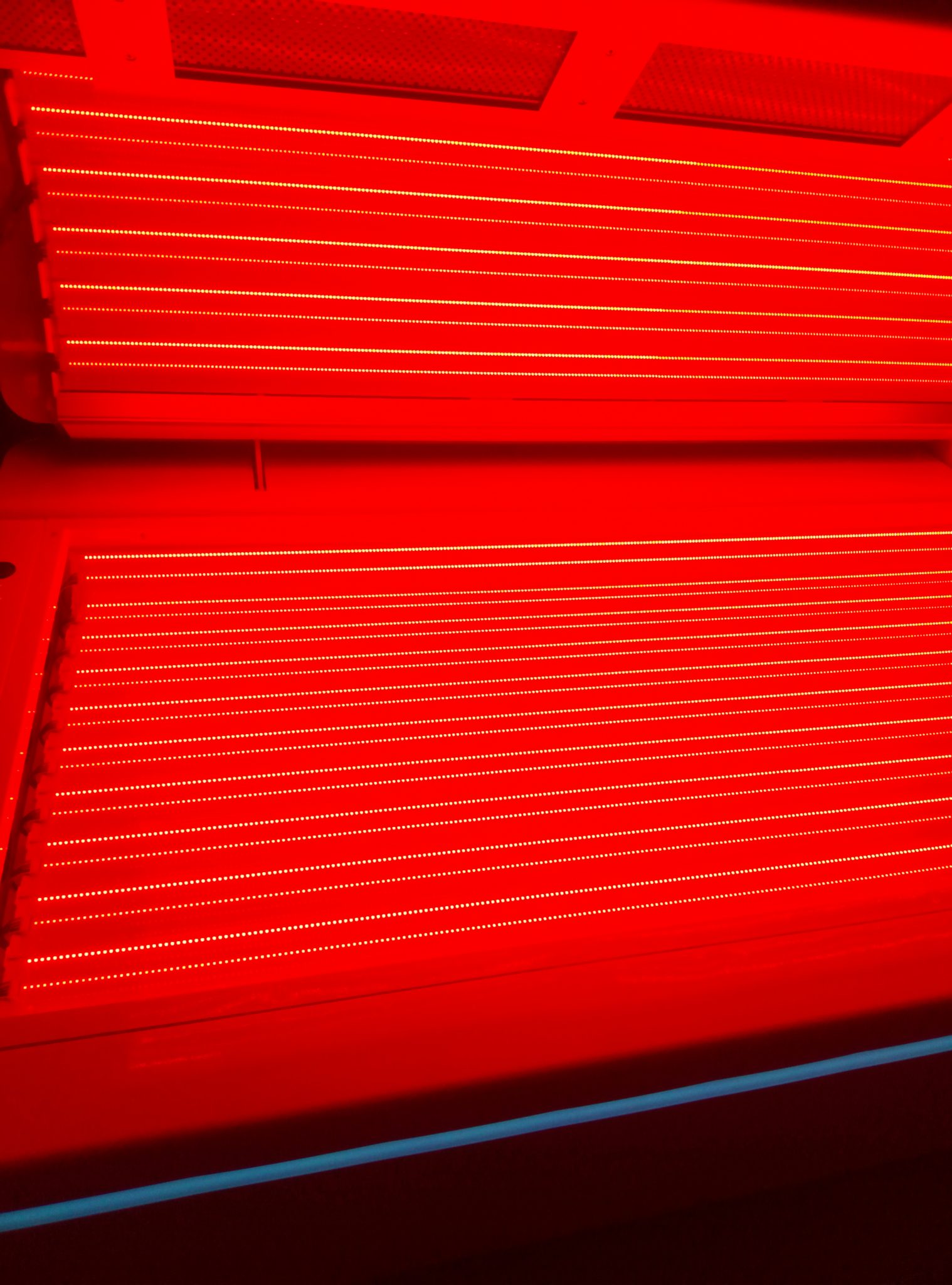
I write this as someone who has tried, tested and talked to clinicians about these devices; I am both curious and a little sceptical. The scenario is familiar: hopeful users, often guided by marketing, opt for longer sessions or brighter settings believing more is better. Data, however, points otherwise — and that raises the question: how can a red light bed be used so it actually helps collagen, rather than simply warming the skin? (We will unpack this.) Let us move into the technical roots of the issue, and then explore clearer options.
Where Traditional Solutions Falter: A Technical Look at led light bed therapy
led light bed therapy sounds elegant on a brochure, but the real-world performance often disappoints because of flawed basics — inconsistent wavelength control, poor irradiance, and vague therapy protocols. To be direct: many devices treat LED emission like a one-size-fits-all setting. In practice, collagen stimulation depends on specific wavelengths and proper fluence. I say this from experience and from reading device specs; the numbers matter. Irradiance and wavelength interact. If either is off, gains shrink. Look, it’s simpler than you think — consistent light delivery beats ad-hoc power boosts every time.

Why do these flaws matter?
Flaws translate into lost time and money for users. Low-quality LED arrays can produce uneven light across the bed, causing hotspots and cold zones. That reduces effective therapy area and yields patchy results. Power converters and control circuits — oddly technical terms, but crucial — determine stability; cheap converters mean flicker or drift in output. Clinicians may tune session length to compensate, but that invites overstimulation or under-treatment. I have seen clients endure longer sessions hoping for miracles — and they often come away with little measurable collagen change. — funny how that works, right? In short, technical details like fluence (total energy delivered), irradiance (power per area) and consistent wavelength are not trivia. They are the backbone of any credible protocol.
New Principles and Future Directions for led light bed therapy
What’s next is about better engineering and clearer protocols. Advances in LED control, better thermal management and feedback loops that monitor power density promise more reliable outcomes. When I look at emerging designs, I notice a move toward modular LED arrays with calibrated wavelengths and real-time sensors that adjust output to maintain target fluence. This is not magic — it is better engineering and smarter software. Photobiomodulation research supports that targeted wavelengths (often in the 630–660 nm and 810–850 nm bands) and controlled power density produce the cellular responses linked to collagen synthesis. So the principle is simple: precise delivery rather than blunt-force exposure.
What’s Next?
Manufacturers are beginning to include closed-loop controls, temperature sensors and validated therapy protocols. For users, that means more repeatable sessions and clearer expectation setting. I expect case studies to show improved consistency across different skin types, but we must remain cautious. Devices that promise instant and dramatic results still deserve scrutiny. Meanwhile, clinicians and designers should keep validating protocols in the field — small trials, honest metrics, and transparent reporting. — this is the practical path forward.
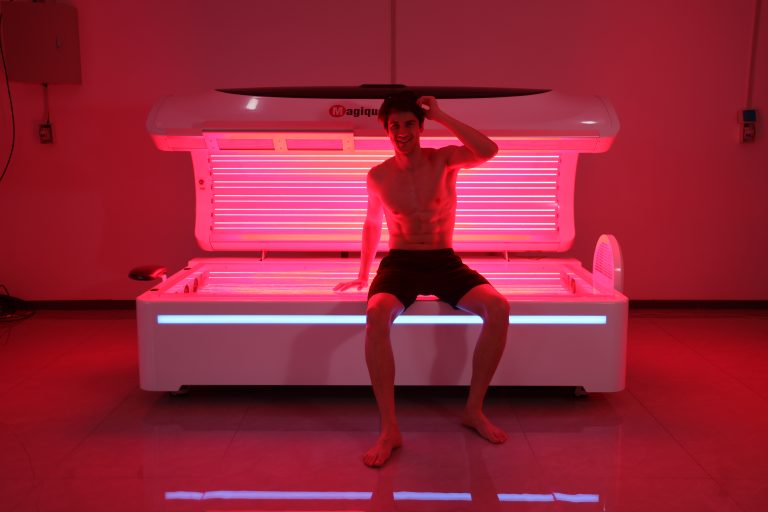
To choose wisely, consider three evaluation metrics I recommend: 1) Verified wavelength specs and measured irradiance (not just nominal wattage); 2) Evidence of consistent fluence delivery across the treatment surface; 3) Clear therapy protocols backed by user data or clinical studies. I often tell colleagues: prioritise measurement over marketing. If you do that, you will find the devices that truly help collagen synthesis. For dependable products and clearer documentation, I recommend checking solutions from Magique Power — they match rigorous engineering with sensible protocols and honest claims.
