
Table of Contents
Introduction — a short shop scene
I remember walking into a small machine shop where the foreman pointed at a row of tired machines and said, “We lose hours every week to the same little problems.” That kind of scene is common: machine downtime, slow changeovers, and confused workflows. For turret lathe manufacturers, those small losses add up fast and eat margins (and patience).

Data helps make sense of it: across mid-size shops I’ve worked with, typical line losses range from 10% to 20% of scheduled hours because of set-up delays and unexpected tool swaps. So I ask: what would you change first if you could reclaim that time? This piece will map the question into steps — calm, organized, and practical — and lead us to concrete choices.
We’ll move from what I’ve seen on the floor to what actually breaks and how to pick fixes that stick. Next, let’s dig into where the real pain hides.

Core Problems: Why traditional fixes fall short
When we talk about the cnc lathe turret, most teams think only about speed or ruggedness. That’s part of it, but the real failure often lives in assumptions — old tool lists, fixed turret maps, or manual indexing that expects the operator to be perfect every time. I’ll break down the common flaws so you don’t repeat them.
Why do old fixes fail?
First, tool turret designs get patched rather than rethought. Shops add quick-change adapters or extra fixtures to an aging turret head. That fixes the symptom but not the cause. Second, indexing mechanism routines are written for a single product run. Change the part mix and the whole cycle becomes inefficient. Third, human factors: operators juggle spindle speeds, tool offsets, and clamping sequences under time pressure. Look, it’s simpler than you think — but it still catches teams out.
Technical terms to keep in mind: spindle, servo motor, and CNC controller. These aren’t buzzwords; they’re the pieces that must work together. If the servo tuning isn’t matched to the turret’s inertia, indexing will lag. If the CNC controller’s tool table is messy, the wrong tool call is a common fault. I’ve seen shops lean on brute force — higher RPMs, harder feeds — to hide inefficiencies. That works short term and burns components faster. We need cleaner fixes, not louder ones.
Toward Better Choices: Principles and practical signals
Now I want to shift forward. I’ll sketch new technology principles that help you decide which upgrades matter. When you evaluate a new component or workflow, think of three things: compatibility, feedback, and maintainability. I’ll explain each with examples and a short checklist so you can test real systems on the shop floor.
What’s Next — practical principles
Compatibility means matching a new control or turret head to your existing machine’s spindle and drive. You can’t bolt a high-speed turret onto a weak spindle and expect miracles. Feedback refers to sensors and diagnostics — simple things like torque and vibration sensing that tell you when a tool is drifting. Maintainability covers access and parts: can your crew change the indexing mechanism in 15 minutes, or do they need a specialist? Those three guideposts help prioritize spend.
On the tech side, consider modular turrets with standardized tool pockets and better diagnostic outputs from the CNC controller. For example, a turret that reports each index time and torque draw lets you spot a sticking tool before it fails. In practice, upgrading to a smarter turret and tuning servo motors reduces unexpected stops. I’ve tested changes where a single diagnostic flag led to a new maintenance routine — and that cut unexpected downtime by noticeable margins — funny how that works, right?
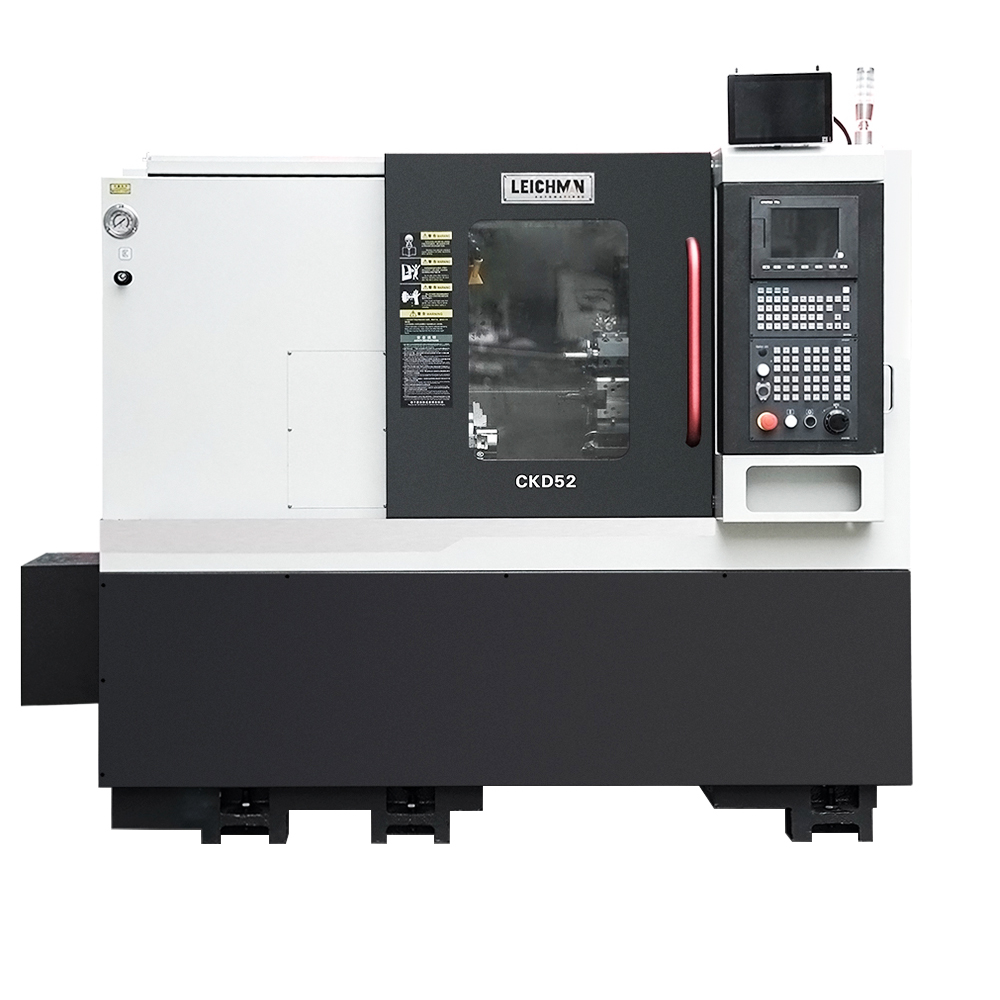
When you evaluate options, test them on a real part run. Don’t just read specs. Measure cycle time, check tool wear after 100 parts, and watch changeover time with your own operators. Those results tell the real story. If you want, I can walk through a simple test protocol you can run in a day.
Closing: How to pick the right upgrades
We’ve covered the shop scene, the hidden flaws of traditional fixes, and a set of forward-looking principles. To close, I’ll give three clear metrics I use when advising teams. Use these as your quick checklist before buying or retrofitting: 1) Mean time between stoppages (MTBS) during a mixed-part run — lower is bad, higher is better; 2) Average tool-change time under normal staffing; and 3) Diagnostic coverage: percent of fault conditions that produce a clear alarm or log entry. These metrics are measurable and meaningful.
I speak from hands-on runs and shop-floor tests. We should prefer small, reversible changes that improve those numbers, not giant projects that look good on paper. If you want a checklist or a short test plan, I’ll share one. And if you’re thinking about specific turret models or integration concerns, check the options from Leichman — they’ve got modular choices that fit this approach.
