
Table of Contents
Introduction: A Short Scene, Some Numbers, a Question
I once watched a busy lab tech balance three trays and a coffee cup at the same time — typical day, saa moja. In that moment I thought about throughput, error rate, and whether a machine could help. The automated nucleic acid extraction workstation sits in many labs now, promising speed and fewer mistakes.
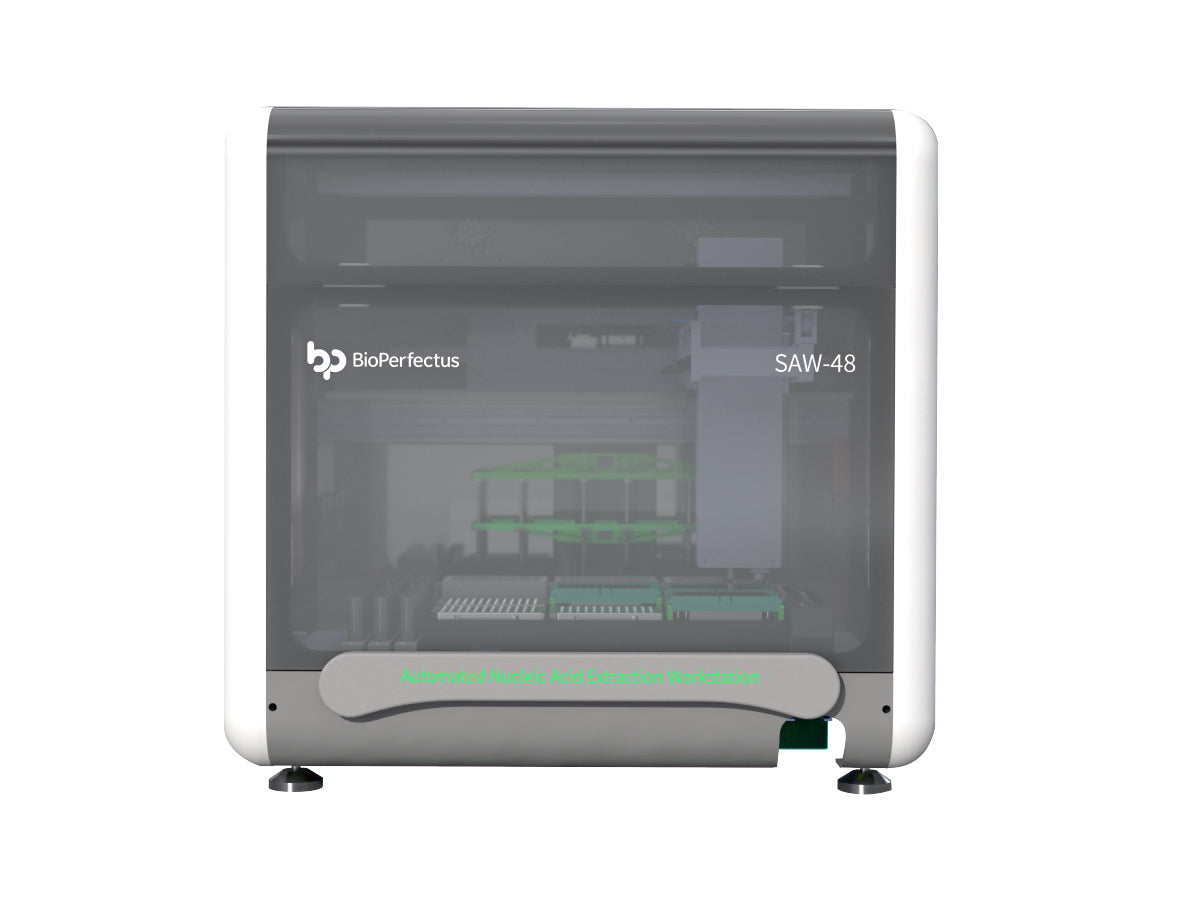
Reports show extraction time can drop by half and throughput can climb from 24 to over 96 samples per run in some setups (simple gains, big sighs). So I ask: should you hand over pipetting and magnetic bead steps to a box? Sawa — let’s look closer, step by step, before you decide.
We will move from what happens now to what often hides beneath the surface — then forward to practical choices. Next I break down the usual problems labs face.

Where the System Often Fails — Hidden Pain and Design Flaws
When I say dna extraction workstation, I mean the whole automated workflow: lysis, binding, wash, elution. dna extraction workstation setups look neat, but I have seen issues that labs rarely advertise. Contamination risk rises when decks are crowded. Reagent depletion goes unnoticed if the sensor logic is weak. And variable sample types — blood, swabs, tissue — can break a protocol chain if the machine’s calibration is shallow. These are not flashy faults; they are day-to-day landmines.
Magnetic beads, pipetting tips, lysis buffer — each is a tiny dependency. If one fails, the whole run cascades. I have watched a run for 48 samples fail because a single tip rack was misaligned. Look, it’s simpler than you think: automation removes human error in some places but introduces systemic points of failure elsewhere. Throughput gains mean little if re-run rates climb — you eat time and consumables. We need better diagnostics, clearer error messages, and stronger automation protocols to catch these early.
Is user training part of the problem?
Yes. Labs buy machines but keep old routines. That mismatch amplifies pain points. Training, routine maintenance checks, and simple SOP updates fix many problems — but only if teams use them consistently.
New Principles for Better Extraction — What Comes Next
Now I want to sketch new technology principles that matter. First, modular architecture: design the device so failed modules (like magnetic bead handlers) are swappable without stopping the whole run. Second, adaptive protocols: software should adjust mixing times and elution volumes based on sample feedback (real-time QC — not just a log file). Third, transparent diagnostics: clear alerts, not cryptic codes. These principles help reduce wasted runs and cut hands-on time.
In practice, a modern dna extraction workstation uses sensors to track liquid levels, tip integrity, and magnet positions. It should log lysis buffer pH trends and flag unusual resistance in pipetting (yes — odd, but useful). I like systems that let a tech override parameters quickly, because no algorithm knows the quirkiest sample in your lab. — funny how that works, right?
What’s Next?
Looking ahead, I see two paths: smarter diagnostics and better human-machine workflows. Smart diagnostics mean fewer blind failures. Better workflows mean operators trust the machine and know when to step in. Real-world tests matter: run the device with your samples before you commit. Try mixed sample batches, stress-test for contaminants, and time the end-to-end process under real staffing conditions.
To choose well, here are three quick metrics I always use: 1) Effective throughput under mixed-sample conditions (not just ideal runs), 2) Failure/retry rate over 30–50 runs, and 3) Clarity of maintenance and error logs (can a new tech understand them in five minutes?). Those three will save you more money and stress than flashy specs. I hope this helps you decide with confidence — and if you want a place to start, check brands that publish honest test data and support docs. For practical options, see BPLabLine.
