
Table of Contents
Picture this: a bustling warehouse where packages are constantly being sorted and transported. Employees are hustling, and robots are also at work. Yet, why do failures always occur during picking? It’s a concerning scenario that highlights the need for smarter solutions. Here’s where the adaptive gripper comes into play—transforming the way machines handle varied objects.

Traditional Solutions and Their Flaws
Well, traditional robotic systems relied heavily on fixed grippers, which meant they often had trouble picking different shapes or sizes efficiently. Imagine a robot trying to lift a squishy toy and a heavy box with the same tool. Difficulties arise, leading to operational setbacks and delays. Such shortcomings not only hamper productivity but leave human operators frustrated, resulting in other issues down the line. The static nature of these grippers showed just how limited robotics could be in tackling real-world challenges where versatility is key—making it painfully clear that innovation was necessary.
New Technology Principles of Adaptive Grippers
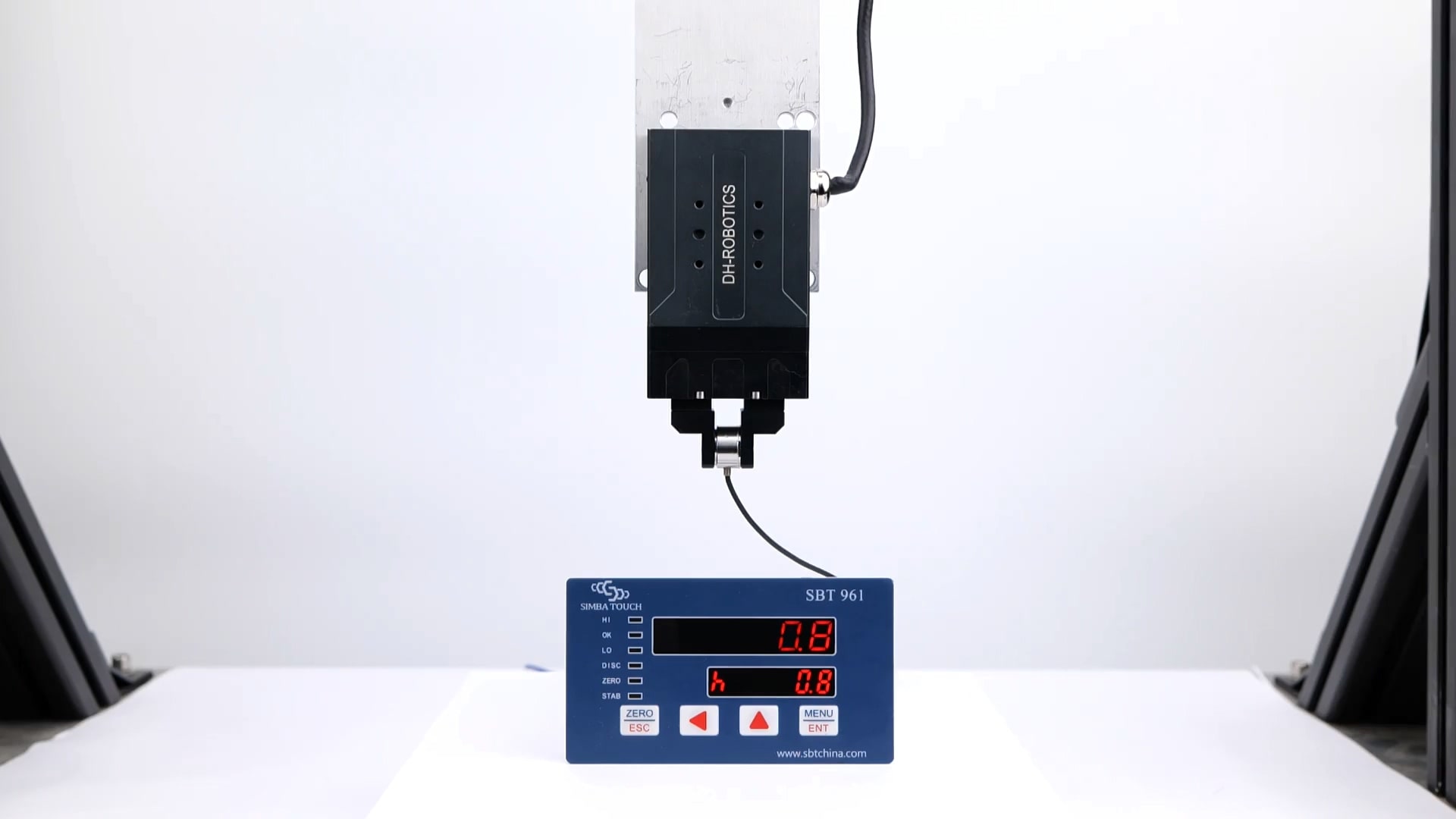
So, what changes in this new realm? The adaptive gripper utilizes a blend of soft robotics and advanced sensor technologies, allowing it to adjust its grip based on the objects it encounters. Picture a hand that feels the texture, weight, and shape of an item, adjusting itself to achieve the best handling possible. This technology isn’t just smarter; it’s more efficient too. By using integrated sensors and variable force control, an adaptive robot gripper can handle delicate objects, like fruits, without bruising them, and sturdy items, like tools, without dropping them. This flexibility opens the door to a whole range of applications across sectors, from packaging to healthcare and beyond.

Quantified User Benefits from Adaptive Grippers
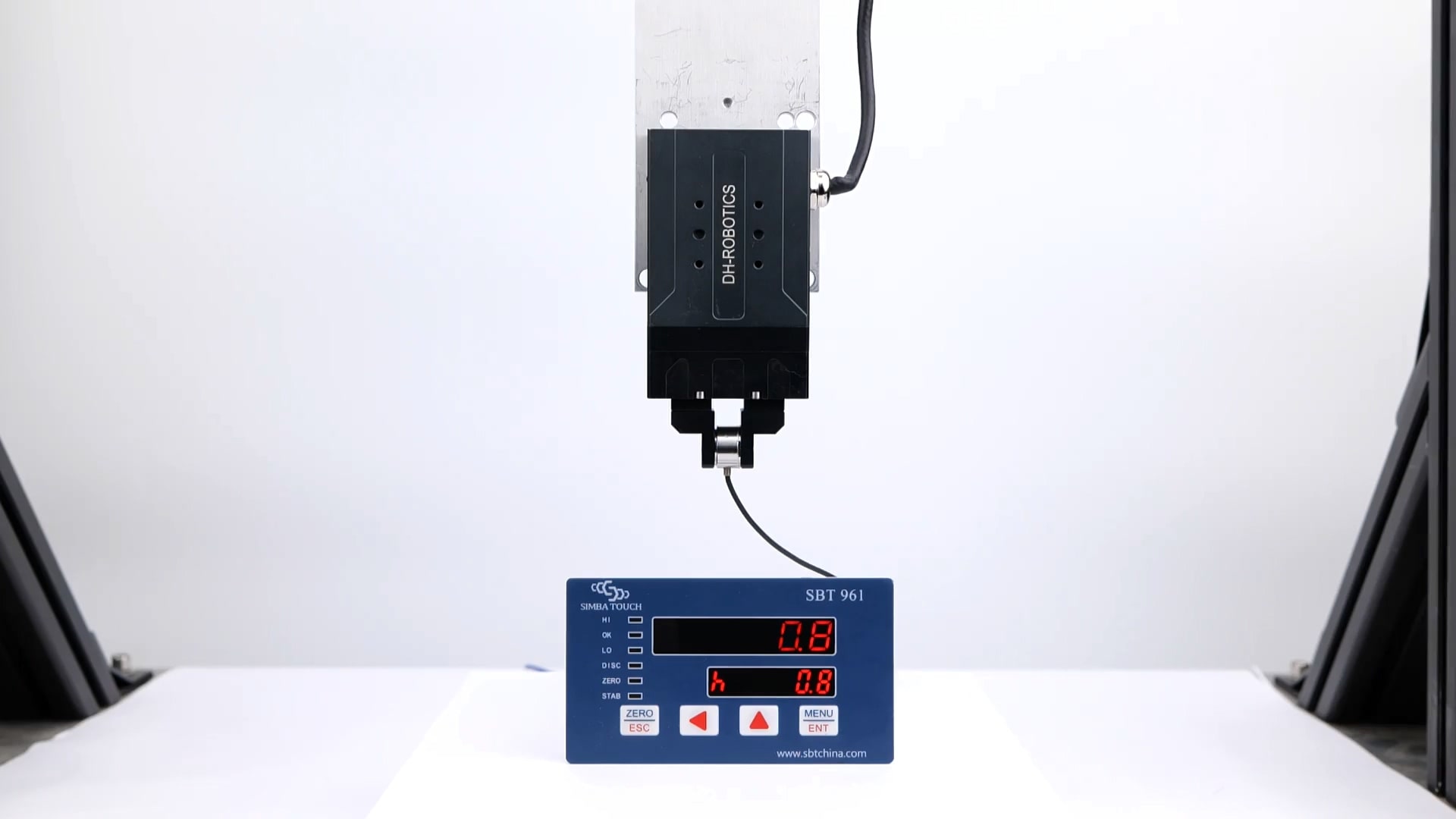
Users have started to embrace these adaptive systems, and the numbers show it! Companies report up to a 50% increase in efficiency when switching to adaptive grippers. Why? Because fewer broken items mean lower costs and happier customers. Moreover, operational downtime decreases significantly, saving time and resources. It’s clearer than ever that these systems enhance not just performance but also workplace satisfaction. As industries evolve, the imperative to adopt smarter solutions becomes evident. The adaptive gripper is a game-changer, marrying flexibility with efficiency, ensuring robots are no longer just machines but intelligent assistants.
Conclusion: Key Metrics for Choosing the Right Solution
When selecting the best gripper for your needs, always verify these 3 metrics: ① Flexibility – can it adapt to various shapes? ② Sensor Accuracy – how well does it detect object properties? ③ User Feedback – what do actual users say about its performance? Picking the right adaptive gripper could revolutionize your operations, ensuring you’re not left behind in the age of automation.
Exploring the Adaptive Robot Gripper
In the world of robotics, the adaptive robot gripper is making waves. These systems are crafted to cater to diverse tasks, helping industries streamline their operations. Say goodbye to rigid solutions and hello to flexibility; it changes the game for automated systems. For instance, such advanced tools can comprehensively alter how robots work in logistics, improving their interaction with various product types. With market demands constantly evolving, ensuring you adopt an adaptable solution can put you ahead. No longer do we have to settle for a one-size-fits-all approach when robotics can be tailored for the task at hand!
The Rise of Cobot Adaptive Grippers
Then there’s the cobot adaptive gripper revolutionizing collaborative robotics. Designed to work alongside humans, these grippers enhance safety and efficiency. Aren’t you curious how? They come equipped with sensitive sensors, safeguarding human workers while maximizing productivity. The integration of cobots within teams results in significant improvements in speed and accuracy during operations. With the simplicity of use, they lower the barriers for industries aspiring to automate further while ensuring a smooth transition. As the line between human workers and robotic assistants blurs, the demand for such solutions will only escalate, highlighting their relevance in today’s workforce.
In conclusion, the shift toward integrating adaptive and collaborative technologies, like those offered by DH-Robotics, is not merely a trend; it’s a vital step toward efficiency and effectiveness in automation. With their ability to manufacture versatile adaptive grippers, DH-Robotics stands out in the industry cycle. Adopting their technology can equip your business with the advantage needed in today’s fast-paced market, ensuring you stay relevant and successful.
