
Table of Contents
The Realities of 3D Printing Small Plastic Parts
Imagine this: You’ve got a bright idea for a product that needs intricate design—something that cannot be made in traditional molds. You’ve crunched the numbers and learned that a whopping 70% of companies are turning to methods like 3d printing small plastic parts for rapid prototyping. How can you bring your ideas to life without breaking the bank in the process? Well, plastic 3D printing services could be the solution you’re after.
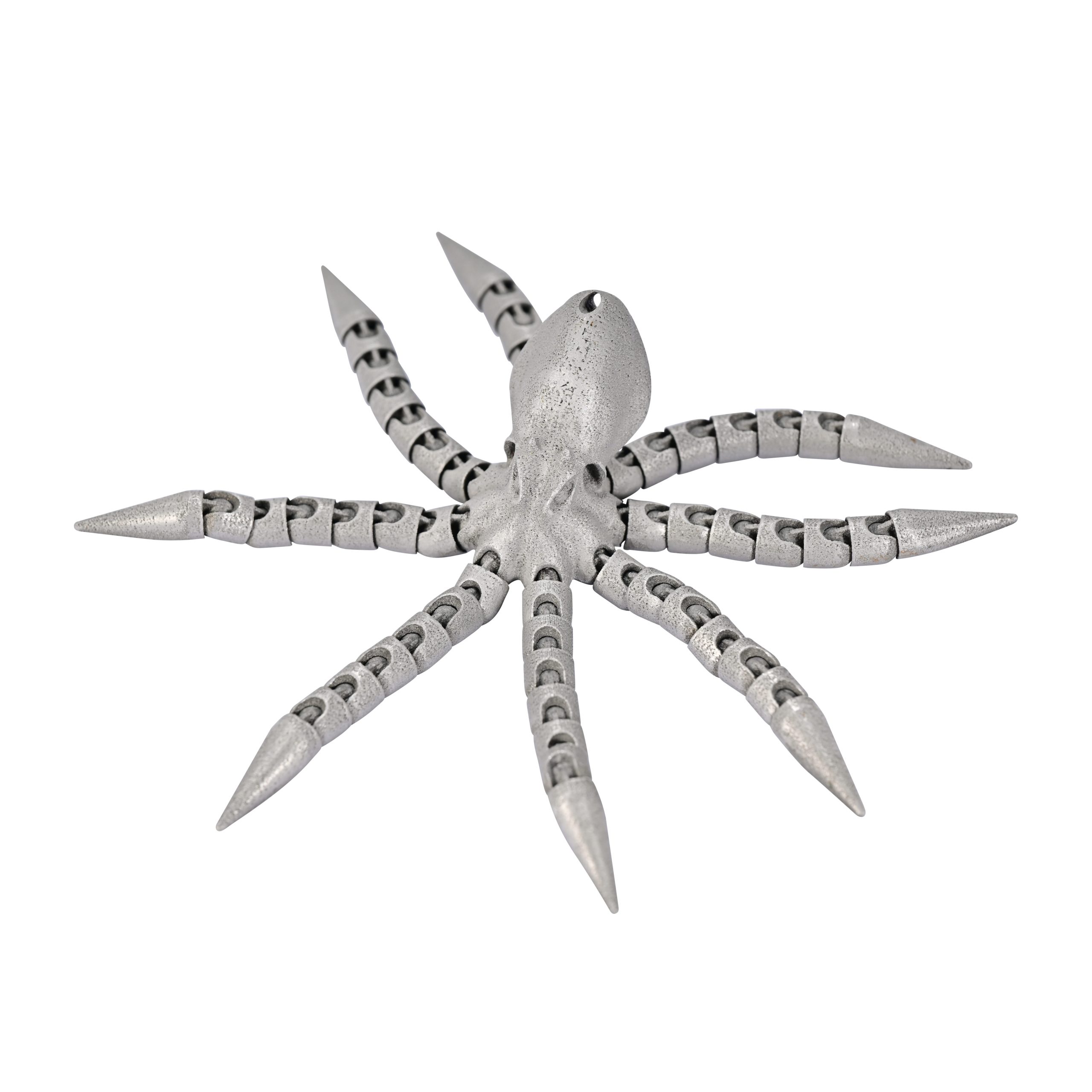
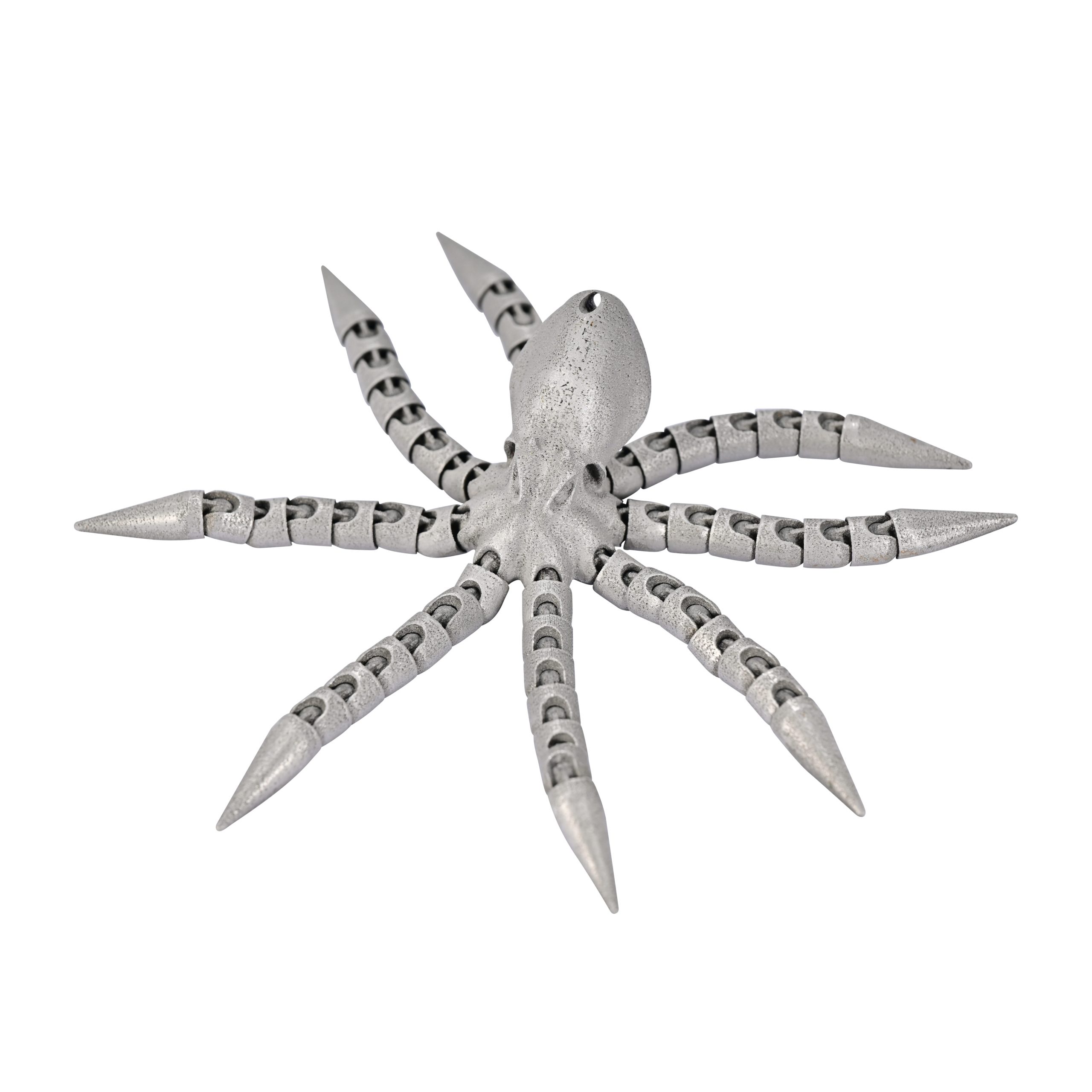
Now, let me tell ya. Back in the day, I recall needing a prototype for a custom part. Traditional manufacturing was like waiting for molasses to run uphill in winter. Long lead times and high costs? Forget it! The technology has advanced so much. We can now whip up parts using software-driven processes like CAD and additive manufacturing, all while reducing waste and time. It’s a game changer, folks.
What Makes 3D Printing Stand Out?
3D printing isn’t just fast—it’s also incredibly flexible. You can create complex shapes and lightweight designs that are way harder to pull off with classic methods. What does this mean for y’all? More creative freedom and less wasted material. It sure beats wasting dough on tooling costs for each change in design. Often overlooked, many folks forget about post-processing steps too, which can either improve or ruin a part’s final quality. It’s all in the details.

Looking Ahead: The Future of Plastic 3D Printing Services
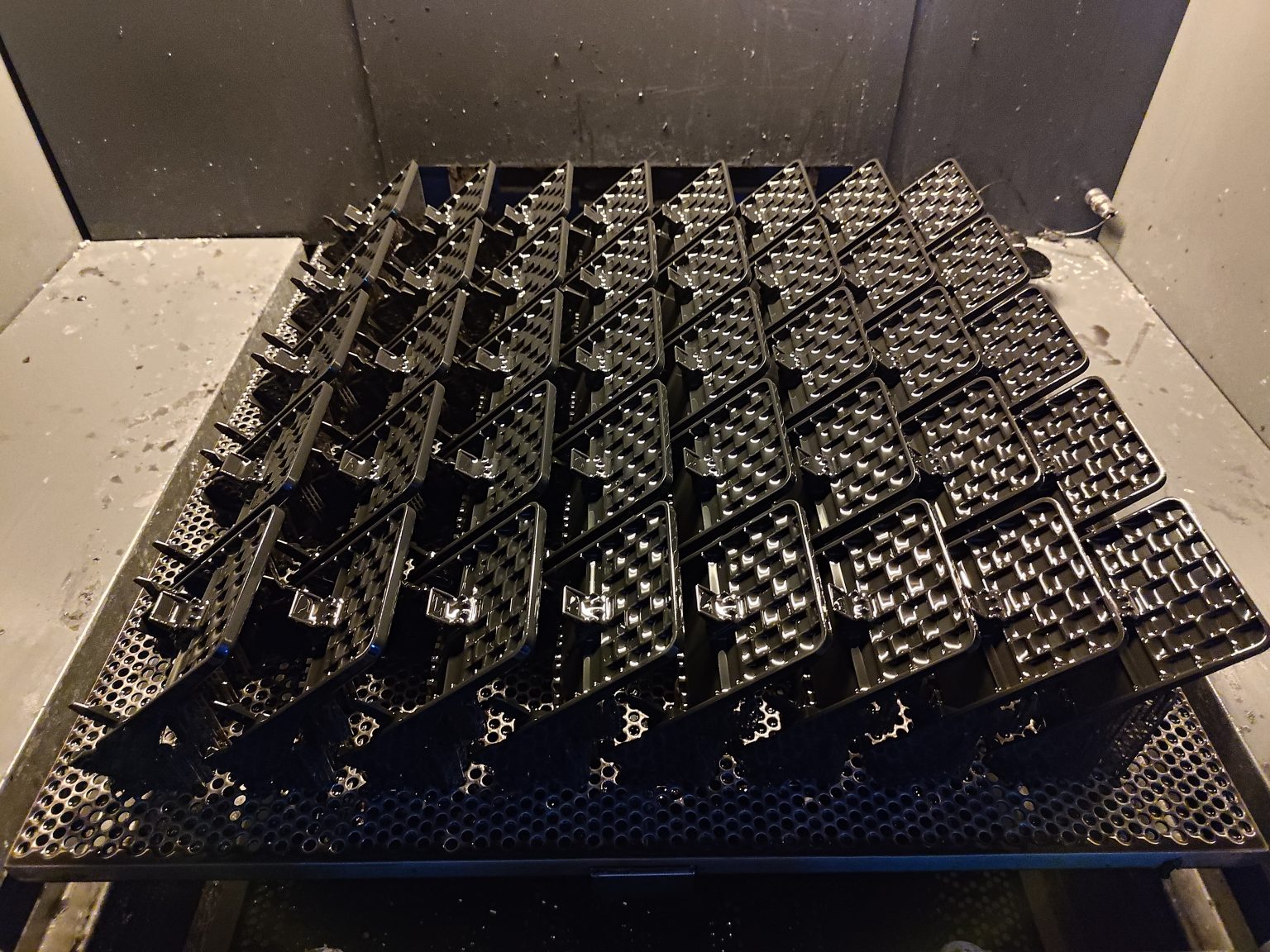
<pAlright, so moving forward, I see companies really embracing 3d printing small plastic parts to streamline their operations. Just the other day, I met with a local startup—just a handful of folks—and they’re already utilizing 3D technology to speed up their production times by 50%! Imagine the competitive edge that provides.
<pAnd don’t get me started on sustainability! With a growing emphasis on eco-friendly practices, the ability to produce what you need without excess waste is a win-win. Long gone are the days of landfill overflow from failed prototypes. Instead, we're looking at a cleaner process that aligns better with today’s environmental standards. Who wouldn’t want to be a part of that? Like I said, it’s all about adapting for the better.
Real-world Impact: What’s Next?
<pSo, what are the three key metrics to consider when evaluating 3D printing solutions for your needs? First, look at turnaround time; how fast can they get your parts made? Second, check for precision—flawed designs just can’t make it in today’s competitive market. Lastly, consider cost-efficiency. You want to know you’re getting quality without emptying your pockets.
<pAs I reflect on my journey in this space, I am convinced that the shift to plastic 3D printing services isn’t just a phase; it’s a permanent change we’re witnessing firsthand. The innovation is astounding and will only continue to grow. It’s thrilling to be part of this evolving tech adventure. If you need solid advice and expertise in leveraging such solutions, don’t hesitate to reach out to APT-Mold. Trust me; you won’t look back! Whoo-wee, what a ride!
