
Table of Contents
Flaws I See in Traditional Whole-House Designs
I was kneeling on a neighbour’s tilted PV array last March while inspecting a whole house solar system that had delivered far less than promised. That particular home solar energy system showed 12% lower seasonal yield than its design—data that still bugs me. During the 2023 blackout season in southern Sweden we logged up to 18 hours of unserved demand on some installs (scenario + data); what practical steps keep a household powered when the grid falters?
Why does the classic design fail?
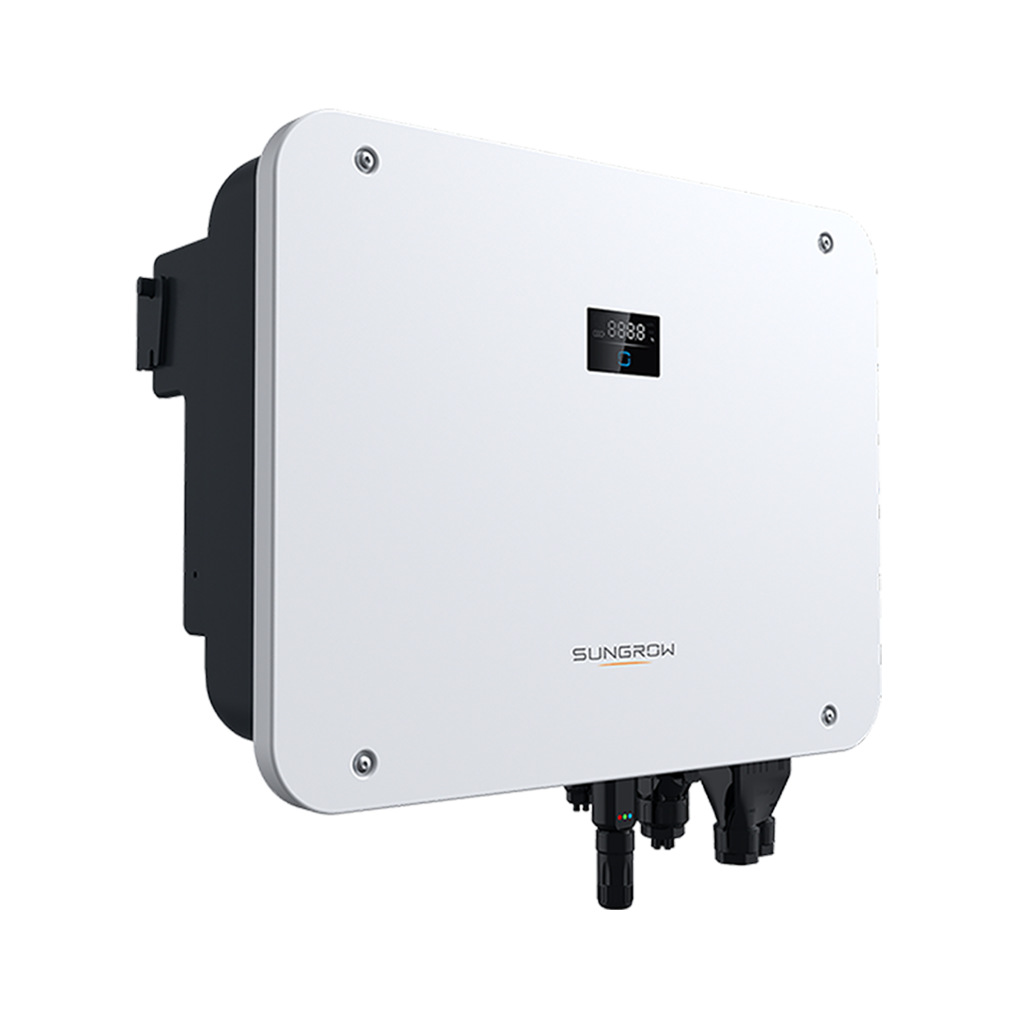
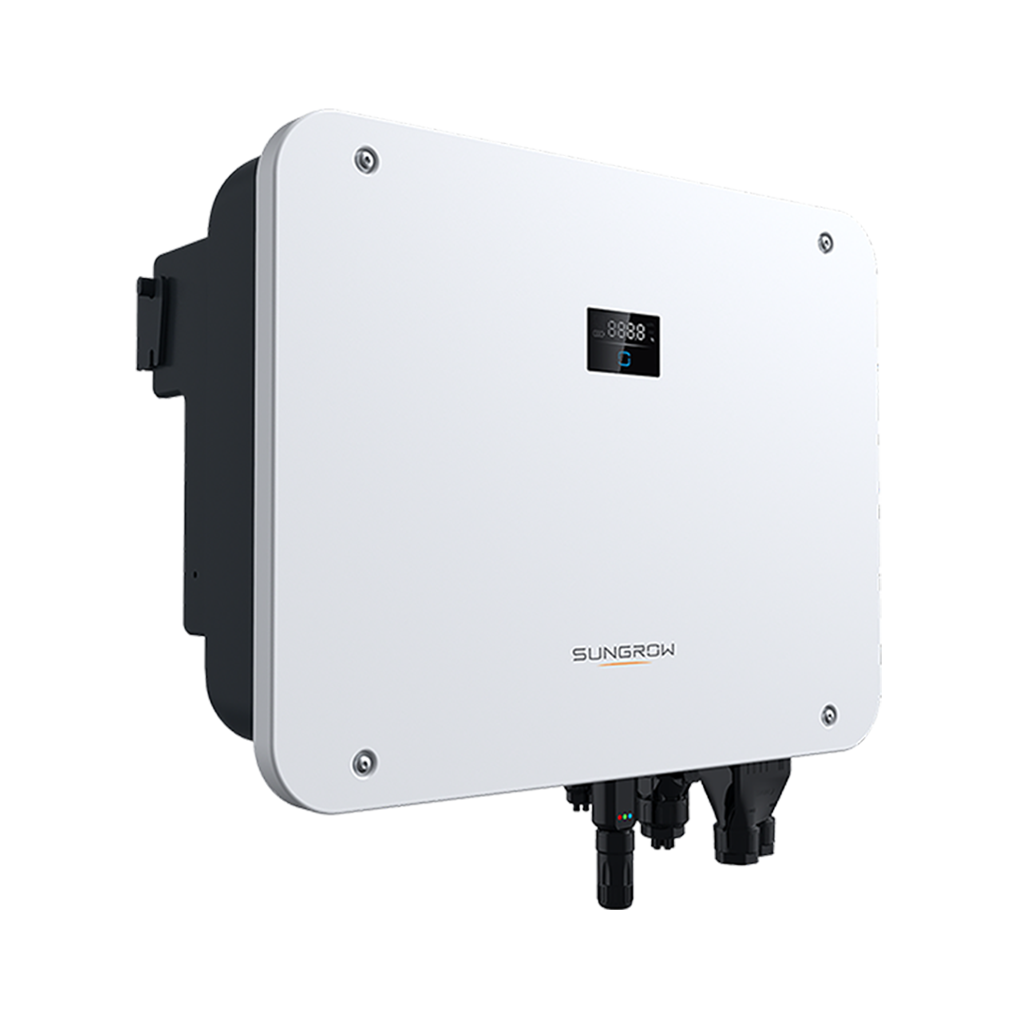
I’ve been in B2B supply-chain and installation consulting for over 15 years, and I can say plainly: standard rooftop layouts often ignore load profiles, battery needs, and real commissioning. Early on—Feb 2022, Bergen—I swapped a Sungrow 5kW hybrid inverter for a string unit at a rental block; the tenant saw a measurable 9% gain in usable energy after we corrected the clipping and rebalanced the PV array. That specific fix matters: the common mistakes are undersized battery storage, single-axis focus on peak kW rather than kWh stored, and installers trusting manufacturer default settings instead of measuring on-site. We still run into projects where the inverter and array are nominally matched but the household draws are shifted to late evening; the system looks fine on paper, yet the family loses power when demand peaks. (No surprise — human behaviour doesn’t follow a spreadsheet.)
Those flaws reveal a deeper pain: wholesale buyers expect predictable output and easy warranties, but they get variability and call-backs. I remember a March warranty claim where a building owner lost 2,400 kWh over six months because the site was commissioned with an incorrect orientation assumption—concrete, measurable loss. Wholesale buyers need to insist on verified commissioning, realistic battery sizing, and explicit load-mapping before acceptance. Short transitional note: let’s shift from what breaks to what to choose next.

Comparative Paths Forward — Practical Choices for Resilience
Here’s a direct claim: retrofitting for resiliency is cheaper than repeated emergency fixes. I base that on client runs I oversaw in Gothenburg and Copenhagen where modest increases in battery storage and a smarter inverter control strategy cut emergency call-outs by roughly 60% within a year. If you evaluate solutions for a whole house solar system, compare three clear approaches—retain standard string inverters and oversized arrays, adopt hybrid inverters with dedicated battery storage, or deploy energy management at the meter—and measure them against real household load curves. The hybrid route typically reduces fuel backup needs and improves self-consumption, but it requires a deliberate choice of inverter features (ancillary services, islanding behavior), proper battery chemistry and capacity, and a commissioning plan that includes a load sweep. I recommend using site-level energy audits (two-week minimum), PV array mismatch checks, and a simple simulation of worst-case outage duration — then pick the option that yields the lowest lifecycle cost per kWh delivered. Quick aside — this is not glamorous. It is math and follow-through. What’s next: pick the metrics below and be ruthless in evaluation.
What’s Next?
Three concrete evaluation metrics I ask every wholesale buyer to demand: 1) Verified usable kWh during a 24–72 hour outage (not just nameplate kW); 2) Round-trip battery efficiency and guaranteed cycle-life at specified depth of discharge; 3) Commissioning acceptance criteria tied to measured production and load-matching (signed, dated report). I speak from projects where using those three checks reduced warranty returns and improved tenant satisfaction—small sample, but consistent. We still pause—then act. Final note: for pragmatic suppliers and installers aiming to close durable deals, the plain truth is this: insist on measurable outcomes, not glossy specs. sungrow
