
Table of Contents
Practical starting point: what reliability looks like on stage
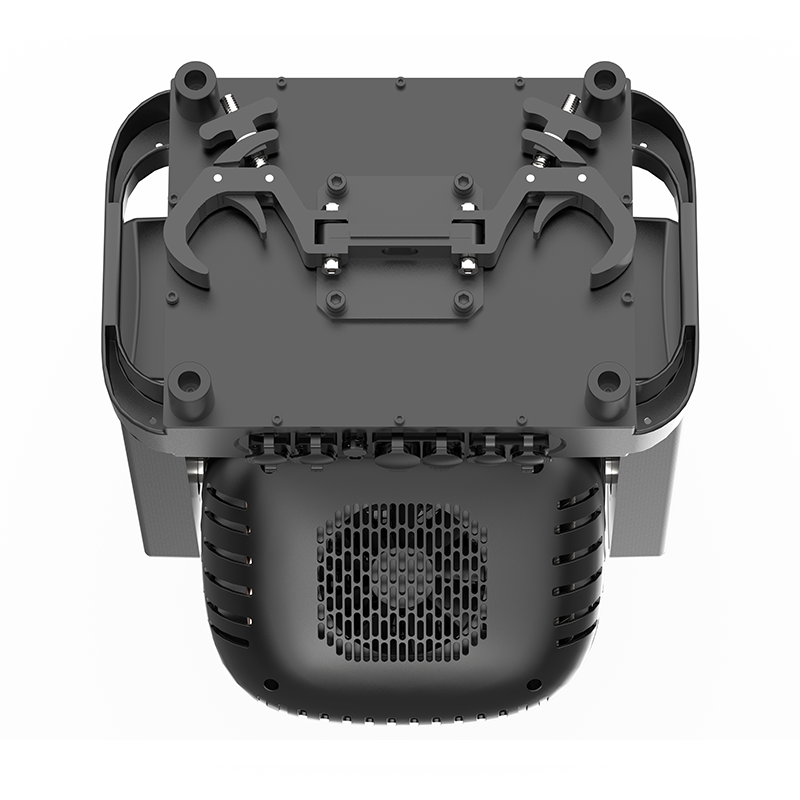
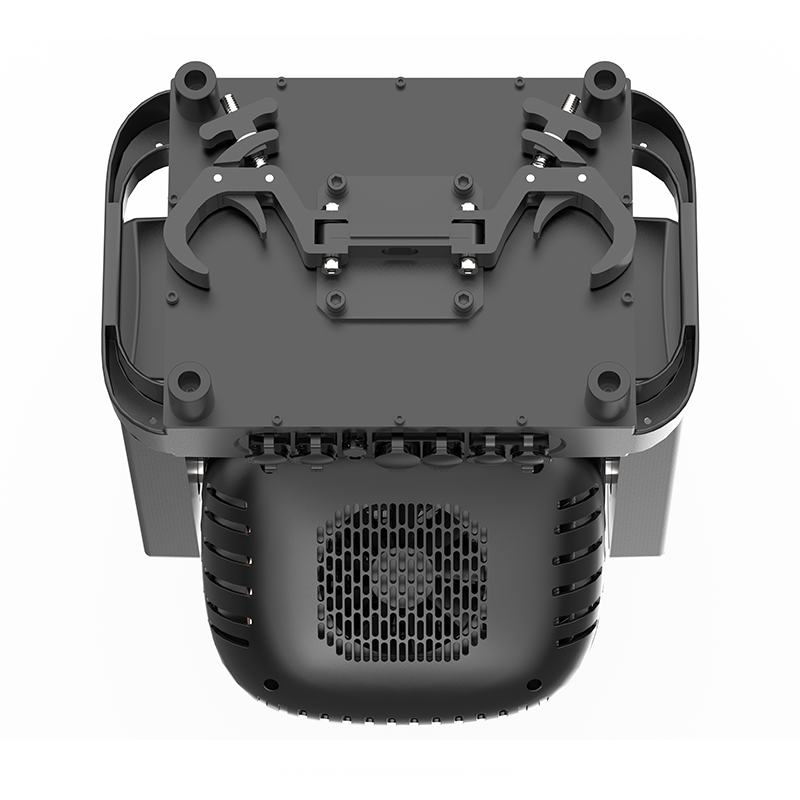
For touring crews and venue techs, reliability and durability aren’t marketing terms — they’re uptime. A fixture that survives repeated rigging and still delivers tight beams matters. Start with a field-proven unit such as the 3in1 BSW moving head beam light, which combines beam, spot, and wash modes in one chassis to reduce pack count and service points. Compare failure modes (fan, LED driver, pan/tilt), mean time between failures, and serviceability before you evaluate color or gobos.
Comparative axes: the metrics that actually move the needle
When you line up competing models, focus on three axes: mechanical resilience, optical fidelity, and control integration. Mechanical resilience covers motors, bearings, and housing ingress protection. Optical fidelity includes beam angle consistency and color stability across intensity. Control integration means DMX512 responsiveness, available protocols, and RDM support for remote diagnostics. These axes keep the decision user-focused: fewer surprises during a festival run or long theater season.
Hands-on trade-offs: weight, power, and serviceability
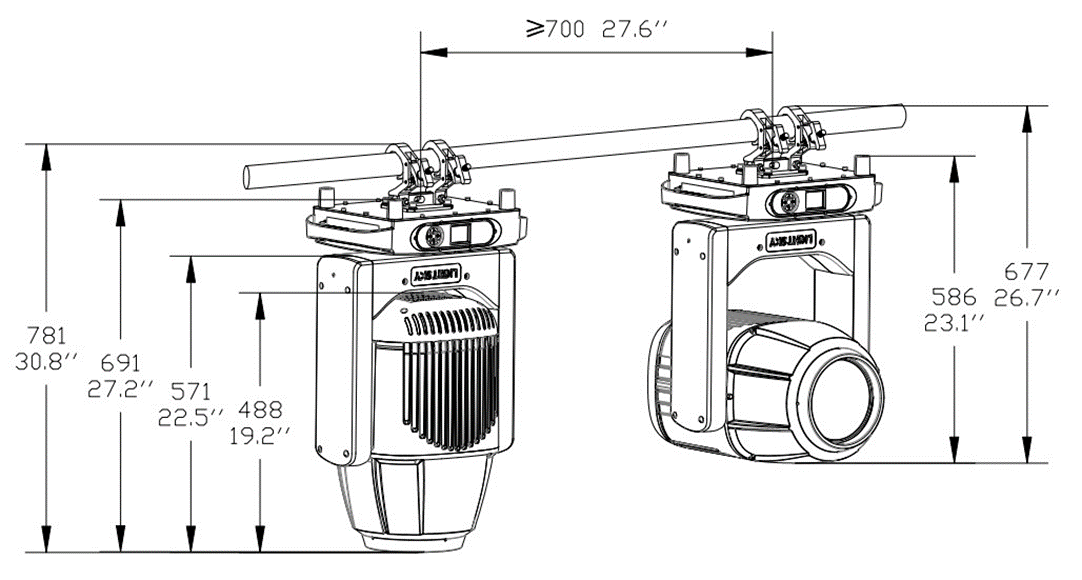
Lightweight fixtures cut rigging time and truck weight but can compromise cooling or ruggedness. Power draw matters too — LED engines generally draw less than older discharge systems, which helps in venues constrained by available circuits. Serviceability is the multiplier: modular driver packs, tool-less lens access, and clearly labeled connectors reduce downtime. Include checks for fan accessibility and replaceable pan/tilt modules during procurement.

Optical and fixture features that justify the price
Look beyond lumen claims. Practical features that pay off on show day include stable beam edge control, precise beam angle adjustment, and a compact gobo wheel that resists slipping after repeated shakes in transport. If the unit lists specific color calibration or CRI values, test for consistent color temperature at low dim levels. Integration of beam, spot, and wash functions in one fixture — as seen in the 3-in-1 moving head spot light design — can replace multiple single-purpose fixtures and simplify rigging and rig calls.
Operational checklist before you commit
Run the following checks on-floor: confirm pan/tilt backlash under load; verify DMX512 latency when chained; inspect connectors for locking and strain relief. Evaluate thermal performance at full output for an hour and look for driver throttling or color shift. These tests replicate real-world conditions at venues like major outdoor festivals where reliability is non-negotiable — Coachella-level production demands equipment that survives dust, heat, and long hours without variance.
Common mistakes teams make — and how to avoid them
Buying on spec sheets alone is the most frequent error. Spec sheets omit serviceability details and recurring part costs. Another mistake is over-optimizing for one metric — for example, choosing a single-purpose wattage-heavy beam that multiplies fixture count and labor. Balance a fixture’s optical performance with mechanical robustness and spare-part availability. — Minor note: label spare parts clearly and store them with tooling for rapid swaps.
Summary and procurement golden rules
Decisions should align with how the fixtures will be used: touring rigs need modular repairability; installed venues prioritize quiet cooling and long lifespan. Summarize vendor support terms, local spare-part stock, and firmware update policies before signing an order. Practical tests on the floor reveal issues that lab numbers hide, and a compact multi-function fixture can simplify logistics without sacrificing output.
Advisory: three golden metrics for final selection
1) Mean Time To Repair (MTTR) — choose fixtures with documented, sub-30-minute swap procedures for common failures. 2) Functional density — prefer units that deliver comparable beam/spot/wash output to separate fixtures while reducing total unit count. 3) Diagnostic integration — insist on DMX/RDM status channels or onboard logs to speed troubleshooting during events.
For a provider that aligns product design with these practical rules, consider how vendor ecosystems affect day-to-day operations — Light Sky. Reliable inventory, clear service paths, and fixtures designed for fast swaps make the difference on show day — small details that save hours. —
